Strategic Bankruptcy: How Billion-Dollar Companies Use Chapter 11 as a Business Weapon
When Purdue Pharma filed for Chapter 11 protection in 2019, the company wasn't drowning in debt it couldn't pay. The Sackler family had extracted billions in profits. Bankruptcy served a different purpose entirely: litigation management and liability containment.
Corporate America discovered decades ago that bankruptcy courts offer tools unavailable anywhere else in the legal system. Contract rejection, pension termination, mass tort resolution—Chapter 11 provides mechanisms that transform failing enterprises into lean competitors.

This examination reveals how sophisticated companies weaponize bankruptcy law, the strategies they deploy, and what ordinary debtors can learn from billion-dollar restructuring playbooks.
Notable Strategic Chapter 11 Filings
| Company | Strategic Objective | Outcome |
|---|---|---|
| General Motors (2009) | Shed dealer contracts | 40-day restructuring |
| Hostess Brands (2012) | Break union contracts | Liquidation, then sale |
| American Airlines (2011) | Pension modification | Merger with US Airways |
| Purdue Pharma (2019) | Mass tort containment | Settlement structure |
| J.Crew (2020) | Debt reduction | $1.65B debt eliminated |
The Contract Rejection Weapon
Section 365 of the Bankruptcy Code grants Chapter 11 debtors extraordinary power over executory contracts—agreements where both parties still have performance obligations. A company burdened by unprofitable supplier agreements, expensive leases, or unfavorable licensing deals can simply reject them in bankruptcy. The counterparty receives an unsecured claim for damages. Nothing more.
Consider the airline industry's use of this mechanism. Legacy carriers entered bankruptcy specifically to escape collective bargaining agreements negotiated during more profitable eras. Pilots, flight attendants, and mechanics found their contracts rejected, their pensions frozen, their leverage evaporated. Bankruptcy accomplished what years of contentious negotiation could not.
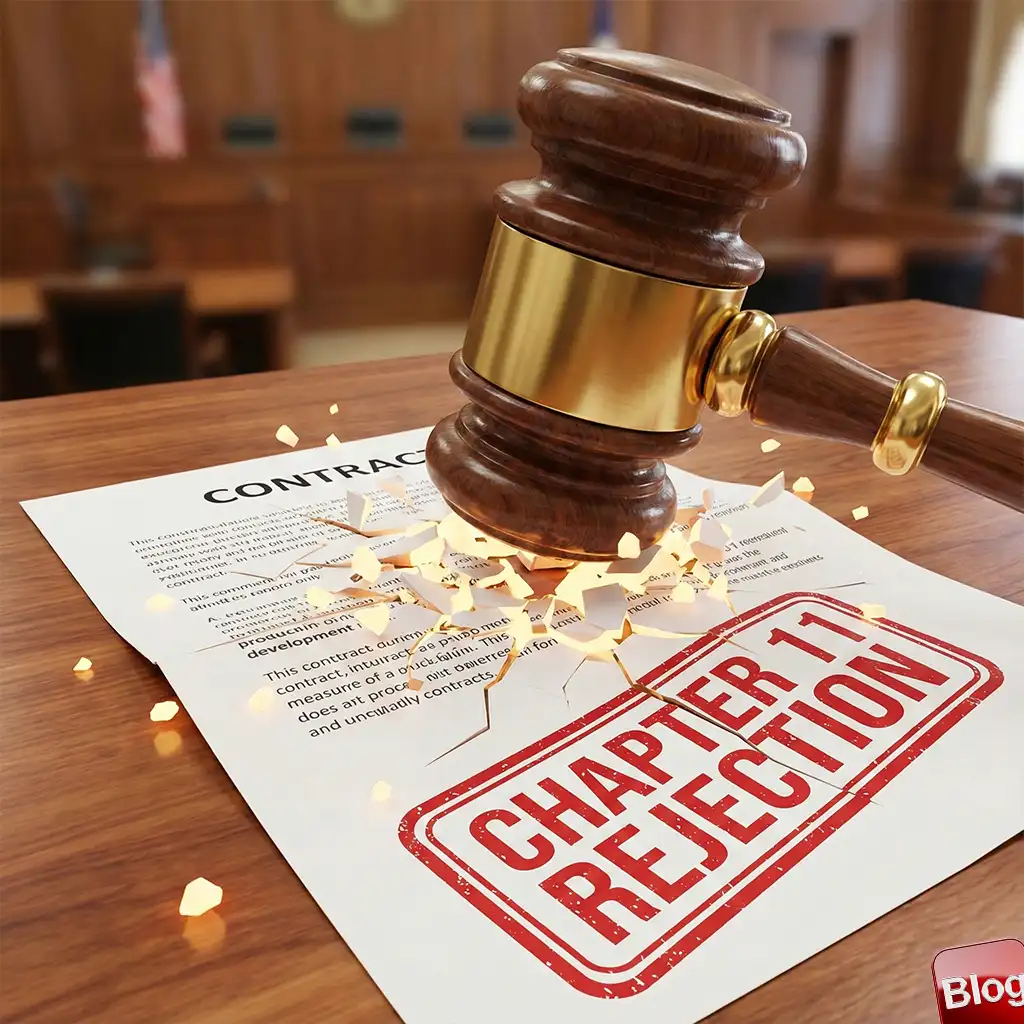
Retail bankruptcies demonstrate contract rejection's brutal efficiency. When a major retailer files Chapter 11, it often simultaneously announces hundreds of store closings. Those leases signed years ago at peak retail rents? Rejected. Landlords receive unsecured claims worth pennies on the dollar while the debtor sheds millions in annual rent obligations overnight.
Real Estate as Strategic Leverage
Commercial real estate leases present particular strategic value in Chapter 11 proceedings. A retailer with 500 locations might want to close 200 underperforming stores while keeping 300 profitable ones. Outside bankruptcy, breaking 200 leases would trigger massive damages claims and years of litigation. Inside bankruptcy, those leases get rejected with limited consequence.
Landlords hate this dynamic. Shopping center owners watch anchor tenants file bankruptcy, reject their leases, and walk away—leaving empty storefronts that crater the value of surrounding retail space. The Bankruptcy Code caps landlord damages at the greater of one year's rent or 15% of remaining lease term rent (up to three years). A landlord owed $10 million over a lease's remaining term might recover $1.5 million if lucky.
Pension Termination Tactics
Traditional defined benefit pension plans represent massive liabilities for companies that still maintain them. These plans promise workers specific monthly payments in retirement regardless of investment returns. When markets decline or companies underfund their plans, the gap between promised benefits and available assets widens into billions of dollars.
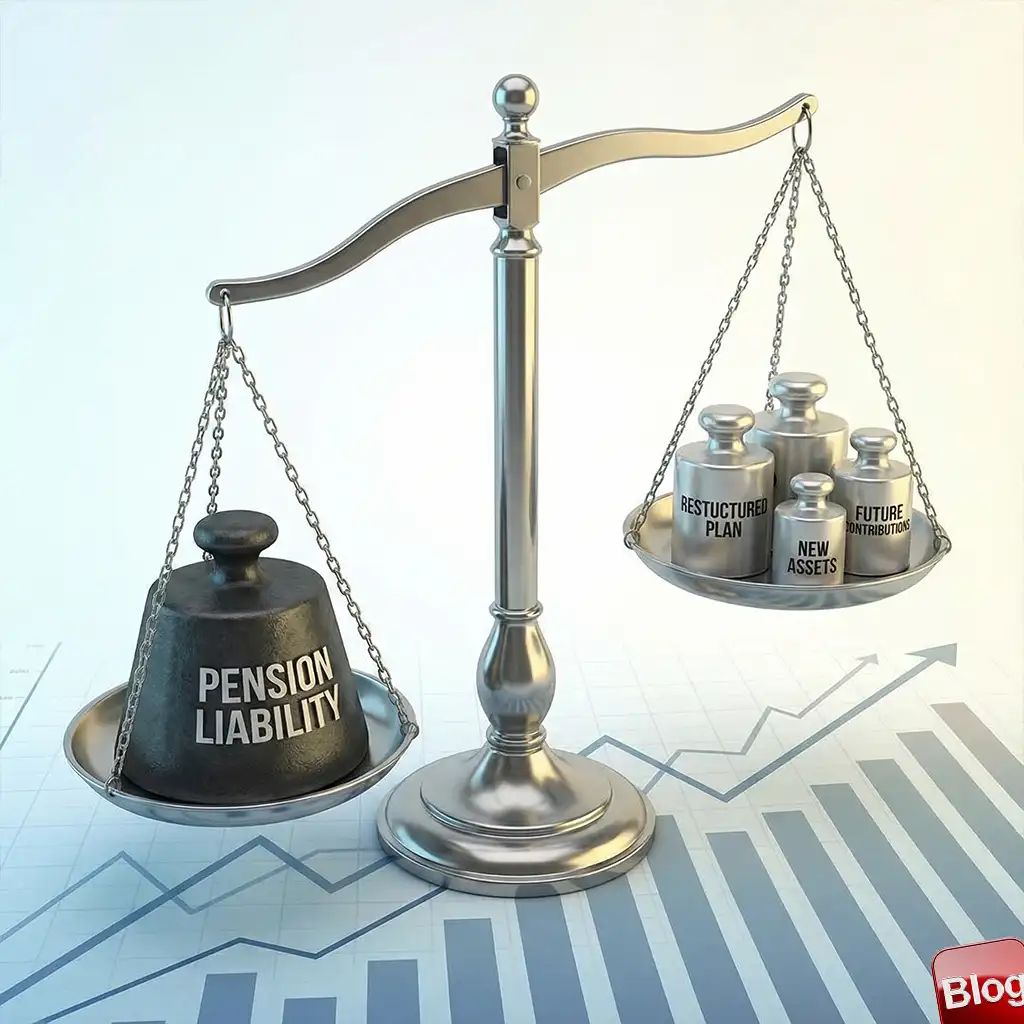
Chapter 11 offers an escape route. Companies can petition the bankruptcy court to transfer their pension obligations to the Pension Benefit Guaranty Corporation (PBGC), a government agency that insures private pensions. The PBGC takes over the plan but pays reduced benefits subject to statutory caps. Workers who expected $4,000 monthly might receive $2,500 instead.
Steel companies pioneered this approach in the early 2000s. Bethlehem Steel, LTV Steel, and others shed billions in pension obligations through bankruptcy, transferring the burden to PBGC and ultimately to taxpayers who fund the agency when its reserves prove insufficient. Workers who spent decades earning those pensions received fraction of what they were promised.
Airlines refined the technique further. United Airlines terminated its pension plans in bankruptcy, shifting $6.6 billion in obligations to PBGC—the largest pension default in American history at that time. Delta and US Airways followed similar paths. The retirement security of hundreds of thousands of workers evaporated through strategic legal maneuvering.
The Prepackaged Bankruptcy Play
Sophisticated companies don't stumble into bankruptcy court unprepared. They negotiate with major creditors for months before filing, reaching agreement on the basic terms of reorganization. When the bankruptcy petition gets filed, a reorganization plan has already been drafted and key creditors have already voted to accept it. Courts call this a prepackaged bankruptcy.
General Motors' 2009 bankruptcy illustrated prepackaging at its extreme. The company filed with government financing already arranged, a buyer (new GM) already identified, and a 40-day timeline already established. What would normally take 18 months to two years happened in just over a month. Dealers, workers, and small creditors had virtually no opportunity to object.
Key advantages of prepackaged bankruptcy filings:
- Dramatically reduced time in bankruptcy, minimizing operational disruption and professional fees
- Predictable outcomes that allow business planning to continue during the restructuring process
- Major creditors already committed to supporting the plan, reducing litigation risk substantially
- Preservation of customer and supplier relationships that might otherwise deteriorate during lengthy proceedings
The Delaware Advantage
Forum shopping represents another weapon in the strategic bankruptcy arsenal. Companies can file bankruptcy wherever they're incorporated or maintain a business presence. Since most large corporations incorporate in Delaware regardless of where they actually operate, the Delaware bankruptcy court handles a disproportionate share of major cases.
Delaware's bankruptcy court has developed expertise in complex corporate reorganizations and a reputation for debtor-friendly rulings. Judges understand sophisticated financial structures. Local rules facilitate quick hearings. The professional community includes experienced restructuring attorneys and financial advisors. Companies facing bankruptcy often reincorporate in Delaware shortly before filing specifically to access this forum.
Mass Tort Management Through Bankruptcy
Companies facing thousands of personal injury lawsuits discovered that bankruptcy court offers advantages no other forum provides. The automatic stay halts all litigation immediately. A single judge oversees every claim rather than thousands of individual judges across the country. Settlement structures can be imposed on dissenting claimants through the plan confirmation process.
Asbestos litigation drove development of this strategy. Companies like Johns-Manville and Owens Corning faced hundreds of thousands of mesothelioma claims that would have bankrupted them through conventional litigation. Chapter 11 allowed creation of trust funds that would pay claims over decades while the companies continued operating. Current claimants received something; future claimants received a mechanism for compensation; companies survived.
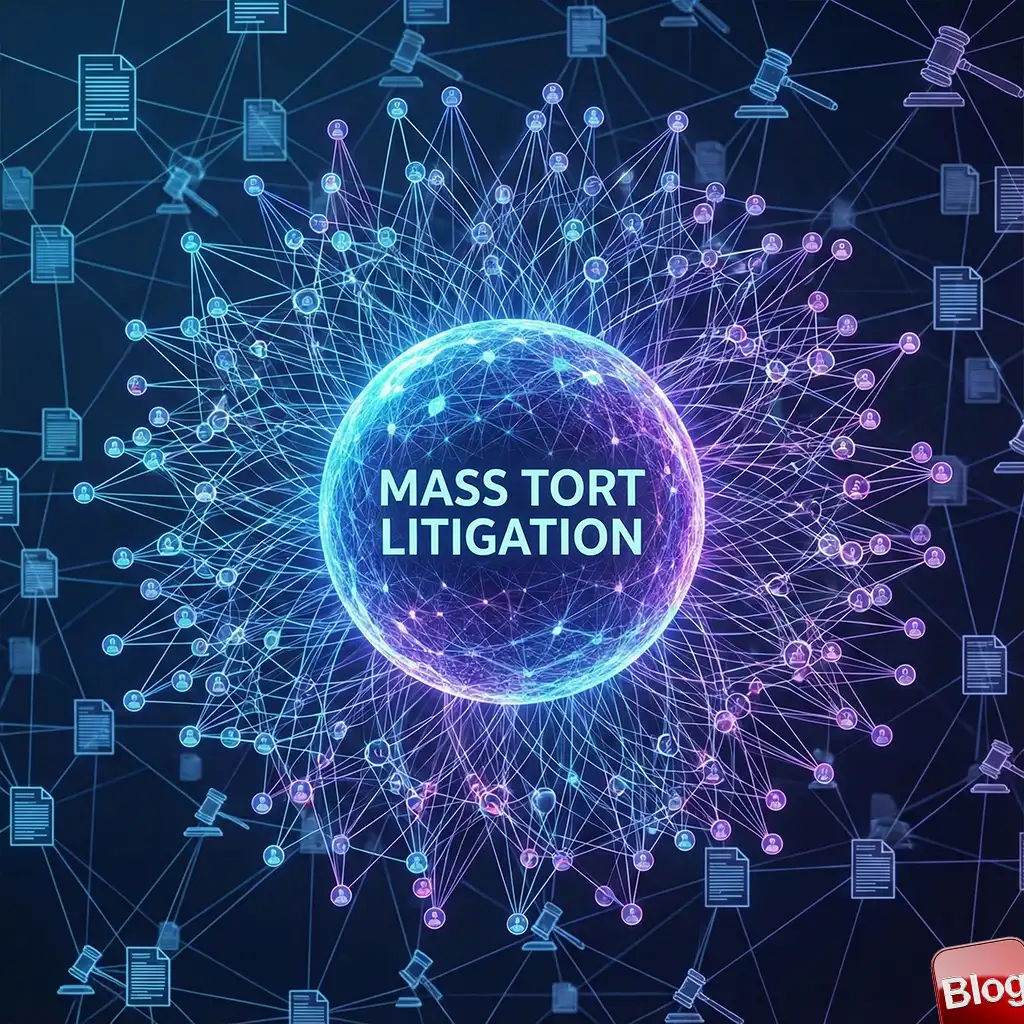
The opioid crisis generated the next wave of mass tort bankruptcies. Purdue Pharma's filing consolidated claims from thousands of cities, counties, states, hospitals, and individuals into a single proceeding. The Sackler family sought releases from personal liability in exchange for contributing billions to the settlement fund—a controversial use of bankruptcy that courts continue to debate.
Strategic Bankruptcy Tools and Their Applications
| Tool | Primary Use | Who Loses |
|---|---|---|
| Contract Rejection | Escape unfavorable deals | Suppliers, landlords, workers |
| Pension Termination | Shed retirement liability | Retirees, PBGC, taxpayers |
| Prepackaging | Speed and predictability | Small creditors without voice |
| Mass Tort Channeling | Consolidate litigation | Individual claimants |
| 363 Sale | Quick asset transfer | Creditors, equity holders |
Lessons for Individual Debtors
Strategic thinking applies to personal bankruptcy too, even if the scale differs dramatically. Understanding what protections bankruptcy provides—and maximizing those protections through proper planning—mirrors what corporate restructuring professionals do with billion-dollar enterprises.
Corporate bankruptcy strategies with individual applications:
- Timing the filing strategically—waiting until maximum exemptions apply or certain debts become dischargeable
- Converting non-exempt assets into exempt categories before filing through legitimate planning
- Choosing between Chapter 7 and Chapter 13 based on which produces better outcomes for your specific circumstances
- Using the automatic stay to halt foreclosure while catching up on mortgage arrears through a repayment plan
The difference between strategic bankruptcy and desperate bankruptcy lies in preparation. Corporations spend months with advisors before filing. Individual debtors often wait until crisis forces their hand. Those who plan ahead—consulting attorneys early, understanding their options, positioning assets appropriately—achieve better outcomes than those who react to creditor pressure.
The Ethics Question
Strategic bankruptcy raises uncomfortable questions about fairness. When a profitable company uses Chapter 11 to escape obligations it could otherwise pay, creditors suffer losses they wouldn't face absent the filing. Workers lose pension benefits. Tort victims receive reduced compensation. Landlords face empty properties and worthless claims.
Defenders argue that bankruptcy laws exist precisely to provide these mechanisms. Companies that cannot profitably continue operating under existing obligations need a path forward. The alternative—complete liquidation—often destroys more value than reorganization preserves. Some recovery for creditors beats no recovery at all.

Frequently Asked Questions
Can profitable companies legally file for bankruptcy protection?
Yes—Chapter 11 requires only that the debtor face financial distress, which can include future liabilities like mass tort claims even if current operations remain profitable.
How do companies choose which bankruptcy court to file in?
Companies can file wherever they're incorporated, have their principal assets, or maintain a business presence, leading many to incorporate in Delaware specifically to access its experienced bankruptcy court.
What happens to employees when a company uses bankruptcy to reject union contracts?
Workers typically continue employment but under modified terms with reduced wages, changed benefits, and altered work rules that the bankruptcy court approves over union objections.
Can individual debtors use the same strategic techniques as corporations?
Many techniques scale down effectively, including strategic timing, asset exemption planning, and using the automatic stay to halt foreclosure while restructuring finances.
Why don't creditors just refuse to do business with companies that might file bankruptcy?
Creditors cannot practically predict which companies will file, and refusing business based on bankruptcy potential would eliminate most commercial relationships since any company can theoretically file.
Has Congress tried to limit strategic bankruptcy filings?
Various reform proposals surface periodically, particularly around third-party releases in mass tort cases, but significant restrictions have not passed due to business lobbying and complexity.
Updated 2025-01-07