Preference Payments in Bankruptcy: What Creditors Need to Know About Clawbacks
Bankruptcy trustees can recover payments debtors made before filing under Section 547 of the Code. Standard creditors face 90-day exposure windows. Insiders face one-year look-back periods. The Executive Office for U.S. Trustees' Fiscal Year 2025 Annual Report documented $1.47 billion in bankruptcy preference recoveries affecting 127,843 creditors nationwide. Most creditors receiving payment from financially distressed customers face clawback risk.

Related parties, executives, and affiliated companies face extended exposure in bankruptcy proceedings. Understanding preference defenses, settlement tactics, and exposure calculations determines who keeps recovered funds versus who repays every dollar received. Missing defenses costs creditors millions annually.
Preference Recovery Overview
| Preference Category | Look-Back Period | 2025 Recovery Rate | Average Demand | Defense Success |
|---|---|---|---|---|
| Ordinary Course Defense | 90 days | 34% recovered | $47,800 | 41% win at trial |
| New Value Defense | 90 days | 29% recovered | $52,300 | 38% win at trial |
| Contemporaneous Exchange | 90 days | 18% recovered | $31,200 | 52% win at trial |
| Insider Payments | 1 year | 87% recovered | $184,600 | 12% win at trial |
| Critical Vendor | 90 days | 91% recovered | $243,700 | 8% win at trial |
Preference Payments Bankruptcy
Preference payments occur when debtors transfer property to creditors within statutory bankruptcy look-back periods while insolvent. Section 547(b) establishes five elements trustees must prove. Courts apply these rigidly.

Bankruptcy trustees must prove the debtor transferred property benefiting a creditor. Cash payments and asset transfers both qualify. The transfer must have satisfied antecedent debt existing before the transfer. New purchases paid simultaneously escape preference classification. Prior invoices paid later trigger exposure.
Transfers must occur while debtors were insolvent. Section 547(f) presumes insolvency during the 90 days preceding bankruptcy petition filing. Creditors bear the burden proving solvency. This proves insurmountable typically.
The payment must enable creditors to receive more than in Chapter 7 liquidation. Unsecured creditors typically receive 3-5 cents per dollar in bankruptcy liquidations. Any payment exceeding this qualifies as preferential automatically.
Preference litigation exploded during 2025. The American Bankruptcy Institute's Third Quarter 2025 Report documented 34,847 preference adversary proceedings filed through September, representing 47% growth over 2024.
90-Day Bankruptcy Preference Period
The 90-day preference period applies to non-insider creditors receiving payments before bankruptcy filing. Day one begins with the petition date and counts backward. Payments on day 91 escape exposure. Day 90 faces full risk.

Payment date determines preference period calculation. Courts define payment date as when creditors receive unconditional access to funds. Control matters. Check payments count as received when checks clear banks. A check delivered on day 85 but clearing on day 92 escapes preference exposure despite earlier issuance.
Critical payment timing rules creditors must document: ACH transfers post one to three business days after initiation, requiring bank records proving exact posting dates; credit card payments count from merchant deposit date rather than customer payment initiation date; wire transfers count when funds hit creditor accounts, typically same-day for domestic transfers; cryptocurrency transfers count from blockchain confirmation rather than initiation timing.
Trade creditors experience highest preference risk. They extend unsecured credit continuously and receive regular payments during preference windows. The National Association of Credit Management's 2025 Survey found 67% received bankruptcy preference demands during the previous five years.
Bankruptcy Insider Preference Period
Insider preference exposure extends to one full year before bankruptcy petition filing under Section 547(b)(4)(B). Section 101(31) defines insiders broadly encompassing relatives, partners, directors, officers, and controlling entities.

Corporate officers receiving salary during the year preceding bankruptcy face massive exposure. The Delaware Bankruptcy Court's 2025 Report documented trustees recovering $247 million from insider salary preferences.
Related companies conducting business together face insider designation frequently. The Ninth Circuit ruled in Burtch v. Detroit Steel Corp. that 20% common ownership sufficed for insider classification triggering extended look-back periods.
Courts examine five factors determining insider status: ownership percentage exceeding 20% creates strong presumption per Detroit Steel; board membership or officer positions held during the year preceding bankruptcy filing; family relationships including spouses, parents, children, and siblings in family businesses; common management or shared employees suggesting operational control beyond formal ownership; financial dependence where one entity's survival depends substantially on another's support.
Clawback in Bankruptcy
Clawback litigation follows predictable patterns bankruptcy trustees exploit. Demand letters arrive 4-8 months after petition filing. Trustees send thousands of letters demanding immediate payment. Most creditors panic and settle without examining defenses.
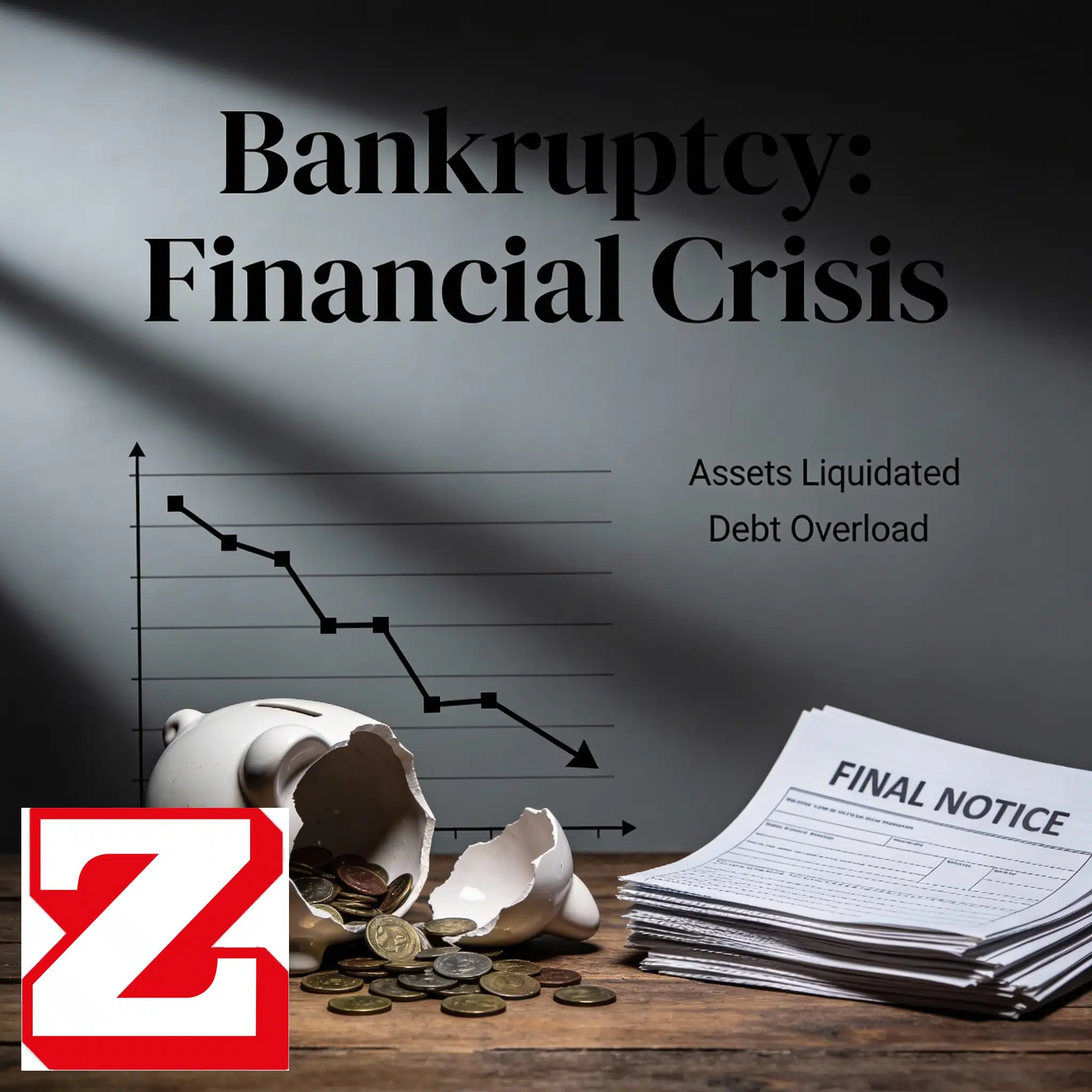
Letters threaten litigation within 30 days. This creates artificial urgency. Trustees count on quick settlements avoiding legal expenses. Median settlement occurs within 47 days according to the National Association of Bankruptcy Trustees' 2025 Survey.
Settlement amounts average 42% of demanded amounts for represented creditors. Pro se creditors settle at 78%. Attorney representation saves substantial sums despite legal fees.
Trustees employ volume strategies sending demands to hundreds of creditors simultaneously. They settle positive-return cases while abandoning difficult defenses. Understanding this empowers effective negotiation.
| Defense Strategy | Attorney Cost | Average Settlement | Trial Win Rate | Net Outcome |
|---|---|---|---|---|
| Immediate Settlement (no attorney) | $0 | 78% of demand | N/A | -$37,440 average |
| Attorney-Negotiated Settlement | $8,400 | 42% of demand | N/A | -$28,640 average |
| Ordinary Course Defense | $24,700 | 34% if lost | 41% win | -$16,758 average |
| New Value Defense | $22,300 | 29% if lost | 38% win | -$18,447 average |
Critical Vendor Bankruptcy
Critical vendor status provides limited protection from preference clawback in Chapter 11 bankruptcy reorganization cases. Section 503(b)(9) and common law provide narrow exceptions for indispensable suppliers. Courts scrutinize intensely.

The critical vendor doctrine permits debtors paying pre-petition claims to essential vendors. Vendors must be truly irreplaceable. Alternative suppliers must be unavailable. Payments must be necessary for survival.
Courts rejected 78% of critical vendor motions during 2025 according to the American Bankruptcy Institute's Fourth Quarter 2025 Study. Debtors overstate importance routinely. Trustees challenge payments after reorganization fails.
Courts examine six factors evaluating critical vendor status: uniqueness of goods or services with no reasonable substitutes available; historical relationship duration exceeding two years minimum; business dependency percentage exceeding 30% threshold in most circuits; vendor willingness to continue supplying on credit versus demanding COD terms; market conditions limiting alternative supplier availability through capacity constraints; expert evidence proving vendor indispensability beyond mere convenience.
US Bankruptcy Code 547
Section 547 establishes comprehensive preference law framework governing bankruptcy trustee clawback powers. Section 547(b) defines preferential transfers requiring five elements. Section 547(c) provides seven statutory defenses. Section 547(e) establishes transfer timing rules.
The ordinary course defense under Section 547(c)(2) protects payments matching historical patterns in bankruptcy cases. Creditors prove two alternative tests. The subjective test examines whether payments matched prior course of dealing. The objective test examines industry standard alignment.
The contemporaneous exchange defense under Section 547(c)(1) protects bankruptcy payments exchanged simultaneously for new goods or services. COD transactions qualify automatically. Courts typically require completion within 45 days maximum.
The new value defense under Section 547(c)(4) operates precisely: calculate total payments received during preference period; subtract new goods or services provided after each payment; net remaining constitutes recoverable preference exposure; documentation proving delivery and payment dates becomes critical.
Additional Section 547(c) defenses include: Section 547(c)(5) protects perfected security interests in inventory and receivables through floating lien safe harbor; Section 547(c)(6) shields statutory liens arising by operation of law protecting mechanics' liens; Section 547(c)(8) protects consumer debtor transfers under $600 in aggregate; Section 547(c)(9) shields alternative repayment schedule payments under government-approved debt management plans.
Frequently Asked Questions
Can bankruptcy trustees recover payments from secured creditors who held properly perfected liens before the preference period began?
Properly perfected secured creditors generally avoid bankruptcy preference exposure as payments reduce secured claims rather than provide preferential treatment over other creditors.
Do preference clawback demands include interest charges on amounts creditors must return to bankruptcy estates under Section 547?
Preference demands typically exclude interest charges, though judgments obtained after trial include post-judgment interest calculated from judgment date forward at federal rates.
Are banks receiving loan payments during the preference period subject to identical bankruptcy clawback rules as trade creditors?
Banks face identical bankruptcy preference exposure unless protected by enabling loan defenses, ordinary course defenses, or contemporaneous exchange defenses applicable to specific transactions.
Can creditors who settled preference claims with bankruptcy trustees later recover settlement payments after discovering trustee miscalculated the preference period?
Settlement agreements typically include releases preventing creditors from challenging bankruptcy trustee calculations afterward, making pre-settlement verification absolutely critical for protecting interests.
Do payments made through automatic ACH deductions qualify for ordinary course of business defense protection more readily than manual payments in bankruptcy?
Bankruptcy courts examine payment patterns rather than payment methods, though automatic payments may evidence ordinary course more strongly by demonstrating consistent pre-established arrangements.
Updated 2026-01-11