What Cannot Be Discharged in Chapter 7: Complete Non-Dischargeable Debt Guide
Chapter 7 bankruptcy eliminates most consumer debts completely, but specific categories survive discharge by explicit operation of law. Student loans, recent taxes, child support, alimony, and debts arising from fraud or willful injury cannot be discharged under normal circumstances. Understanding these important exceptions helps you evaluate what relief Chapter 7 actually provides for your specific situation.
Congress created these exceptions through deliberate policy choices, protecting certain obligations it deemed too important to subordinate to fresh start bankruptcy policies. Some exceptions reflect strong public policy about personal responsibility. Others protect particularly vulnerable creditors like children and former spouses.
Discharge Status by Debt Category
| Debt Category | Dischargeable? | Exception Details |
|---|---|---|
| Credit card debt | Yes | Fully discharged unless fraud proven |
| Medical bills | Yes | Completely eliminated |
| Personal loans | Yes | Unsecured loans discharge |
| Student loans | Rarely | Requires proving undue hardship |
| Child support | Never | Absolutely non-dischargeable |
| Alimony | Never | Domestic support fully protected |
| Recent taxes | Usually not | Complex timing rules apply |
| Fraud-based debt | No | If creditor proves fraud occurred |
| DUI injury debt | No | Specifically excluded by statute |
Student Loans Require Special Adversary Proceedings
Student loan debt survives Chapter 7 bankruptcy unless you affirmatively prove undue hardship through a separate adversary proceeding. This additional lawsuit filed within your bankruptcy case requires demonstrating that you cannot maintain even minimal living standards while repaying, that your circumstances preventing repayment will persist for the foreseeable future, and that you made genuine good faith repayment efforts before seeking discharge.
Most bankruptcy courts apply the Brunner test quite strictly, requiring evidence of essentially hopeless financial situations before granting student loan discharge. Temporary unemployment, current low income, or generally difficult life circumstances usually do not meet the demanding legal standard.
Both federal and private student loans receive identical treatment under current bankruptcy law. The 2005 bankruptcy reform legislation extended non-dischargeability protection to private education loans, eliminating any distinction between loan types.
Filing an adversary proceeding to attempt student loan discharge costs additional thousands of dollars in attorney fees with highly uncertain outcomes. Overall success rates remain quite low. Most people ultimately accept that their student loans will survive and plan their finances accordingly.
Expert insight from Jeffy Gotsz, Bankruptcy Attorney: "Do not file bankruptcy primarily hoping to discharge your student loans. Plan realistically for them to survive the process and be pleasantly surprised if your specific circumstances actually support discharge."
Domestic Support Obligations Are Absolutely Protected
Child support and alimony are completely non-dischargeable under all circumstances. This statutory protection is absolute with no exceptions available regardless of your financial circumstances. If you owe domestic support when you file bankruptcy, you owe exactly the same amount when your discharge is granted.
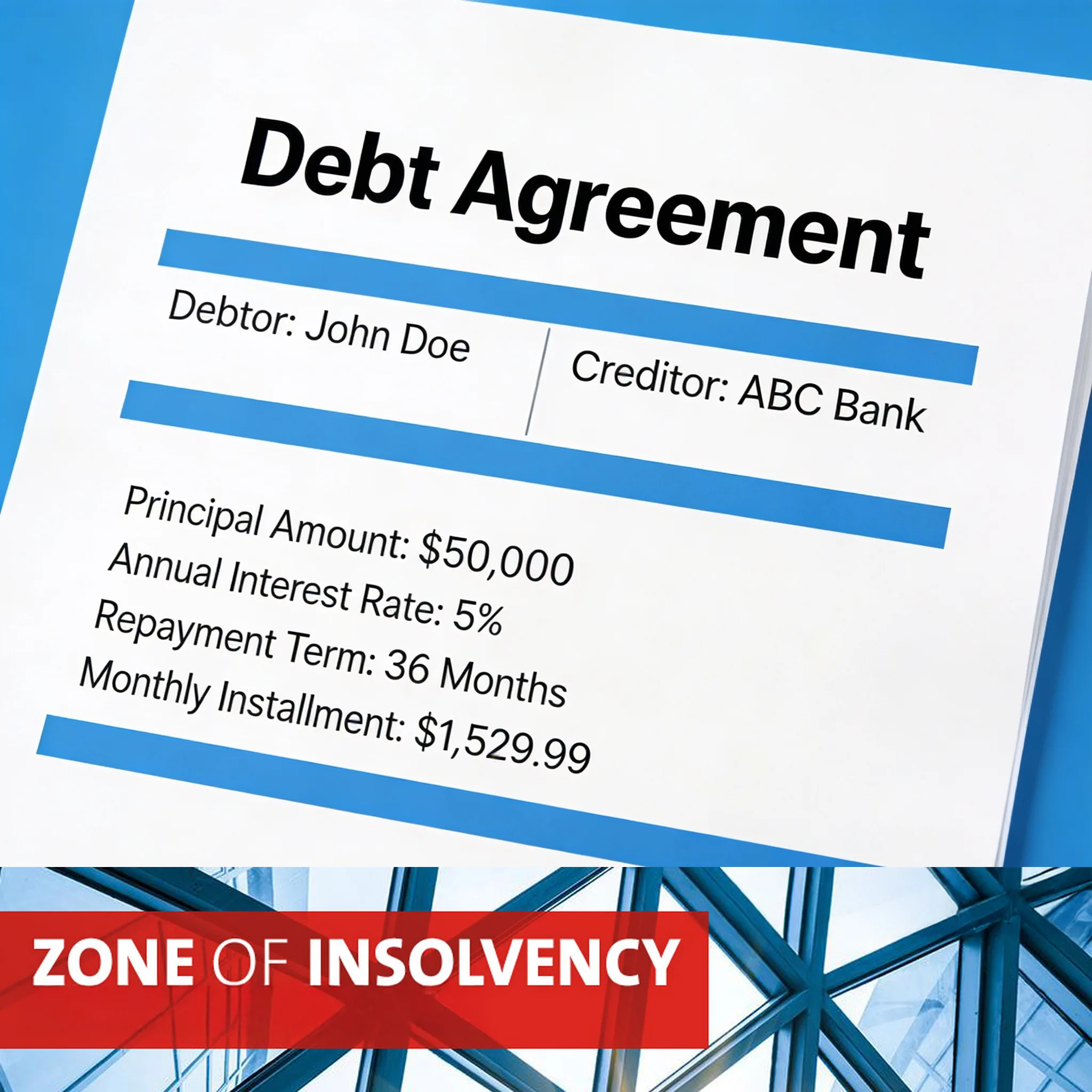
The automatic stay does not stop domestic support enforcement efforts. While all other creditors must immediately halt collection activity, child support enforcement agencies can continue garnishing your wages, intercepting tax refunds, and pursuing payment throughout your entire bankruptcy case.
Chapter 7 does not address or resolve support arrears in any way. You must continue dealing with accumulated past-due support after your discharge is granted exactly as you did before filing. If you were being garnished for support before bankruptcy, that garnishment continues completely unchanged after bankruptcy.
If you genuinely cannot afford your current support obligations, the only available remedy is seeking formal modification through family court based on legitimately changed circumstances. Bankruptcy simply cannot help with this category of debt.
Tax Debts Follow Complex Technical Rules
Tax debt dischargeability depends on multiple interacting timing factors that create significant complexity. Income taxes may potentially be dischargeable if they satisfy all of the following strict requirements: the tax return was originally due at least three full years before your bankruptcy filing, the return was actually filed at least two years before filing, the tax was formally assessed at least 240 days before filing, and no fraud or willful tax evasion occurred.
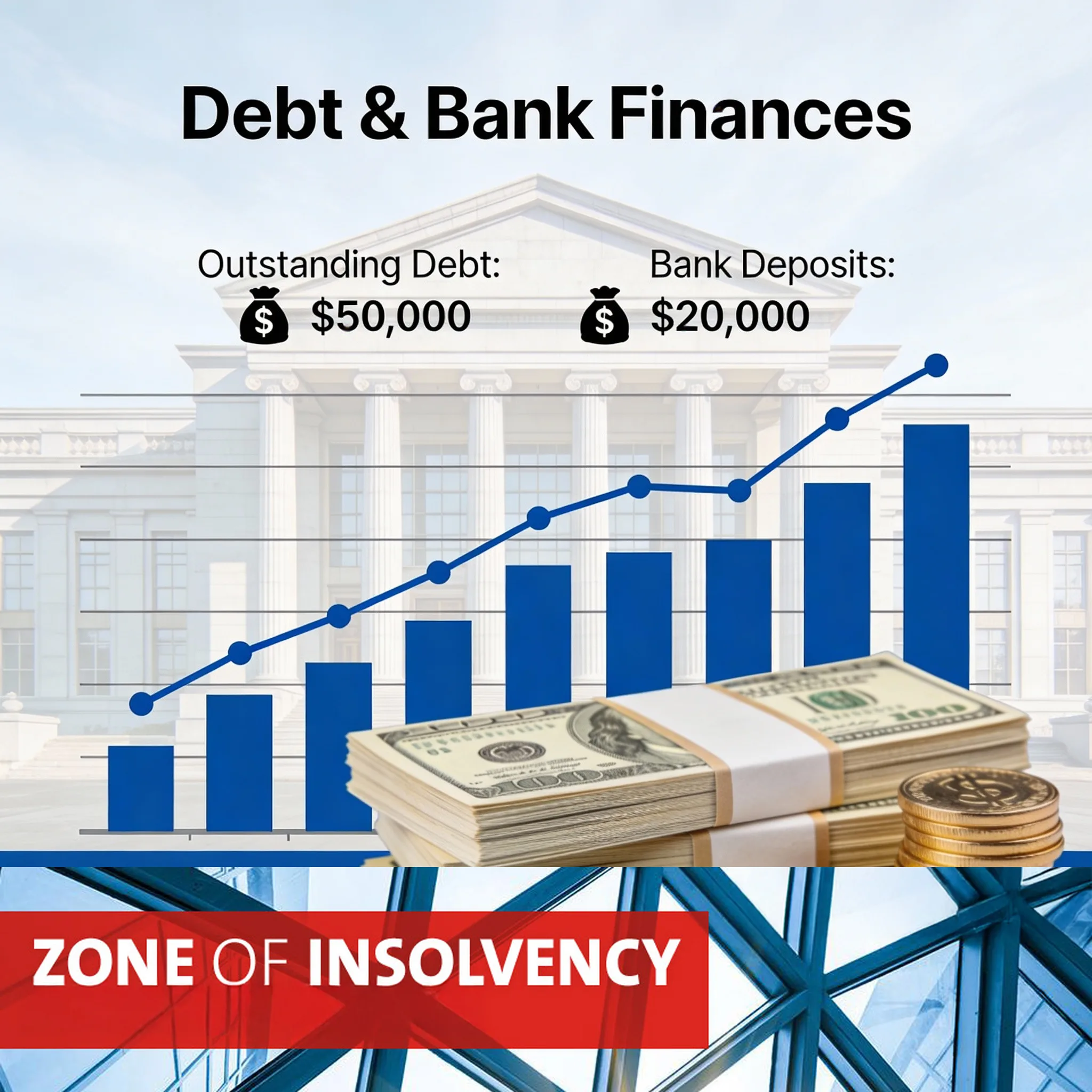
Missing any single requirement means that specific tax debt survives your bankruptcy. These rules are extremely strict and highly technical. The three-year period runs from the original return due date including any extensions you requested. The two-year period runs from the actual filing date, which matters significantly if you filed returns late.
Trust fund taxes are absolutely never dischargeable under any circumstances. If you operated a business and failed to properly remit payroll taxes withheld from employee paychecks, that obligation survives bankruptcy completely. The IRS can and will pursue you personally regardless of chapter or circumstances.
Tax liens survive bankruptcy even when the underlying taxes are successfully discharged. A lien properly filed before your bankruptcy attaches to your property and remains in place until actually paid or formally released. You eliminate personal liability but the lien continues encumbering your property.
Debts From Wrongdoing Survive Bankruptcy
Debts obtained through fraud, false pretenses, or false representations cannot be discharged if the creditor successfully proves the fraud occurred through an adversary proceeding. Lying on credit applications, writing bad checks, or obtaining money through deliberate deception can result in non-dischargeable debt.
Creditors must affirmatively challenge discharge by filing adversary proceedings within 60 days of your 341 meeting date. Missing this strict deadline generally means the debt discharges regardless of underlying fraud. Many creditors simply do not bother with the expense and effort of adversary litigation.
Debts from willful and malicious injury cannot be discharged in Chapter 7. If you intentionally hurt someone or deliberately damaged their property, resulting judgments survive your bankruptcy. The key word is intentional. Negligent injury, such as car accidents caused by ordinary carelessness, is usually dischargeable.
Debts for death or personal injury caused by drunk driving are specifically non-dischargeable by explicit statutory provision. Congress carved out this exception deliberately. Even though DUI is typically considered negligent rather than intentional conduct, these debts survive bankruptcy.
Government Fines and Criminal Penalties
Criminal fines, restitution orders, and penalties owed to government entities generally cannot be discharged in bankruptcy. This broad category includes fines from criminal convictions, court costs, and civil penalties imposed by government agencies at all levels.
Criminal restitution is absolutely non-dischargeable under all circumstances. If a court ordered you to pay restitution to crime victims as part of your criminal sentence, bankruptcy provides no relief whatsoever. That obligation survives completely untouched.
Traffic tickets, parking fines, and similar government penalties typically survive bankruptcy. These are characterized as government fines rather than ordinary debts subject to discharge.
Penalties owed to private parties may potentially be dischargeable. The non-dischargeability rule applies specifically to government penalties. Contractual penalties or private damages may receive different treatment.
Frequently Asked Questions
Can I discharge any student loans at all?
Only by proving undue hardship, which requires filing a separate adversary lawsuit and meeting a genuinely difficult legal standard.
What if I accidentally forget to list a debt in my schedules?
In no-asset Chapter 7 cases, unlisted debts usually discharge anyway. In asset cases, failure to list may prevent discharge of that specific debt.
Are all tax debts non-dischargeable?
No. Older income taxes meeting specific technical timing requirements can potentially be discharged.
Can creditors object to discharge of debts I owe them?
Yes. They can file adversary proceedings challenging specific debts based on fraud or other statutory grounds.
What happens to non-dischargeable debts after my Chapter 7 case closes?
You remain fully responsible for payment and must continue paying. Creditors can resume collection after your case officially closes.
Should I file Chapter 7 if most of my debt is non-dischargeable anyway?
Possibly. Eliminating all dischargeable debts frees up income that can then go toward non-dischargeable obligations.
Updated 2026-01-08