Corporate Debt Restructuring Complete Guide: Options, Process, and Outcomes
Corporate debt restructuring represents one of the most critical financial strategies available to companies facing unsustainable debt burdens. When existing loan terms become impossible to meet, troubled debt restructuring provides a path to modified payment arrangements that preserve business operations while giving creditors better recovery than liquidation would provide.
Understanding the full range of debt advisory options helps business leaders make informed decisions when financial distress threatens their companies.

Restructuring Options Comparison
| Restructuring Option | Best For | Typical Timeline |
|---|---|---|
| Informal Negotiation | Single or few creditors | Weeks to months |
| Out-of-Court Workout | Cooperative creditor groups | 2-6 months |
| Pre-packaged Chapter 11 | Agreed terms before filing | 2-4 months |
| Traditional Chapter 11 | Contested situations | 12-24 months |
| MCA Debt Restructuring | Merchant cash advance debt | Varies by situation |
Understanding When Debt Restructuring Is Needed
Recognizing the warning signs that indicate debt restructuring may be necessary allows companies to act before crisis becomes catastrophe. Proactive restructuring from a position of relative strength produces better outcomes than reactive restructuring during severe distress.
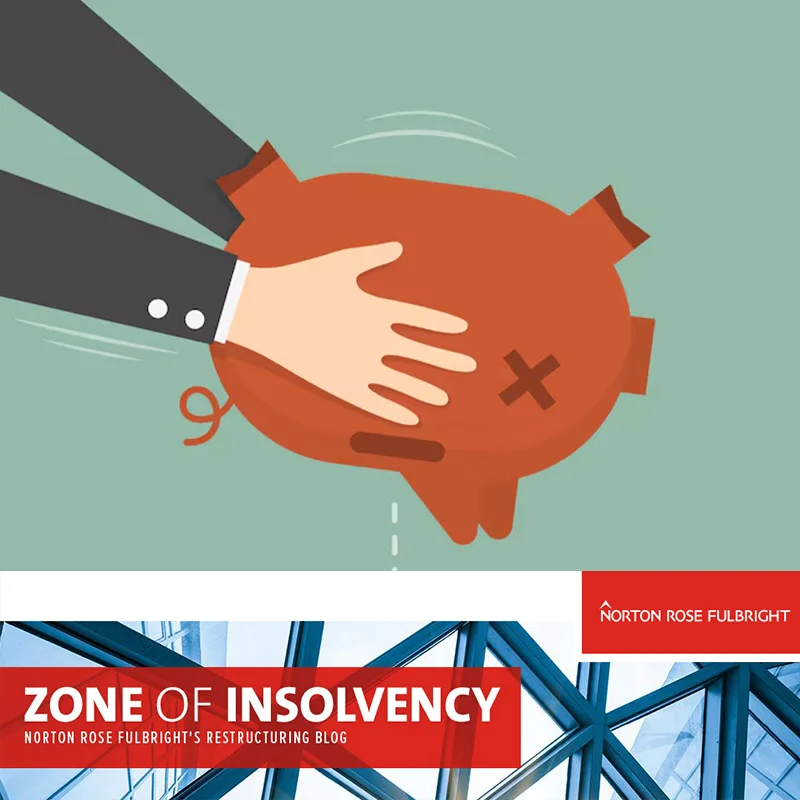
Cash flow problems that prevent meeting current debt service obligations represent the clearest signal. When a company cannot pay interest, principal, or required fees on existing debt, restructuring becomes necessary to avoid default and its consequences.
Expert insight: "The worst time to restructure is when you have no choice. Companies that address debt problems while they still have options consistently achieve better outcomes than those who wait until crisis forces action."
Types of Corporate Debt Restructuring
Multiple restructuring approaches exist, ranging from informal discussions with lenders to formal court-supervised proceedings. Understanding the full spectrum of options helps companies select the approach best suited to their specific circumstances.

Informal creditor negotiation represents the simplest approach when dealing with limited numbers of cooperative lenders. Direct discussions to modify loan terms, extend maturities, or reduce payments can resolve problems without formal proceedings.
Troubled debt restructuring under accounting standards occurs when creditors grant concessionary terms to borrowers in financial difficulty. This accounting classification affects how both parties report the modified obligations.
Chapter 11 bankruptcy Restructure
When informal approaches fail or creditor disputes prevent consensual resolution, Chapter 11 bankruptcy restructure provides a court-supervised framework for reorganization.

Filing for Chapter 11 immediately triggers the automatic stay, halting all creditor collection efforts and lawsuits. This breathing room allows companies to develop reorganization plans without facing execution of judgments or asset seizures.
The debtor typically remains in control of operations as debtor-in-possession during Chapter 11 proceedings. Existing management continues running the business while working on reorganization.
MCA Debt Restructuring
Merchant cash advance debt presents unique restructuring challenges due to the structure of these financing arrangements. MCA debt restructuring requires specialized approaches because these obligations operate differently than traditional loans with fixed payments and terms.
MCA providers purchase future receivables rather than lending money, creating legal distinctions that affect restructuring options. Understanding these differences helps companies address MCA obligations appropriately within broader restructuring efforts.
High effective interest rates on MCA financing create severe cash flow pressure that often triggers broader financial distress. Companies with multiple MCA obligations may find their entire revenue consumed by daily or weekly remittances.
Frequently Asked Questions
What is corporate debt restructuring?
It involves modifying the terms of existing debt obligations to make them more manageable when original terms become unsustainable.
When should a company consider debt restructuring?
When cash flow problems prevent debt service, covenant violations occur, refinancing options disappear, or debt maturities approach without ability to repay.
What is troubled debt restructuring?
A specific accounting classification when creditors grant concessionary terms to borrowers experiencing financial difficulty.
How long does corporate debt restructuring take?
Timeline ranges from weeks for simple informal modifications to years for contested Chapter 11 bankruptcy cases.
Can MCA debt be restructured?
Yes, though merchant cash advance restructuring involves different considerations than traditional loan modification.
Do I need professional help for debt restructuring?
For complex situations involving multiple creditors, professional debt advisory support typically improves outcomes significantly.
Updated 2025-01-07