At What Point Should I Consider Bankruptcy
People wait too long. That's the pattern attorneys see constantly. They struggle for years with debt that qualified for bankruptcy discharge on day one. The question isn't whether bankruptcy is appropriate—it's whether you've recognized the signs.
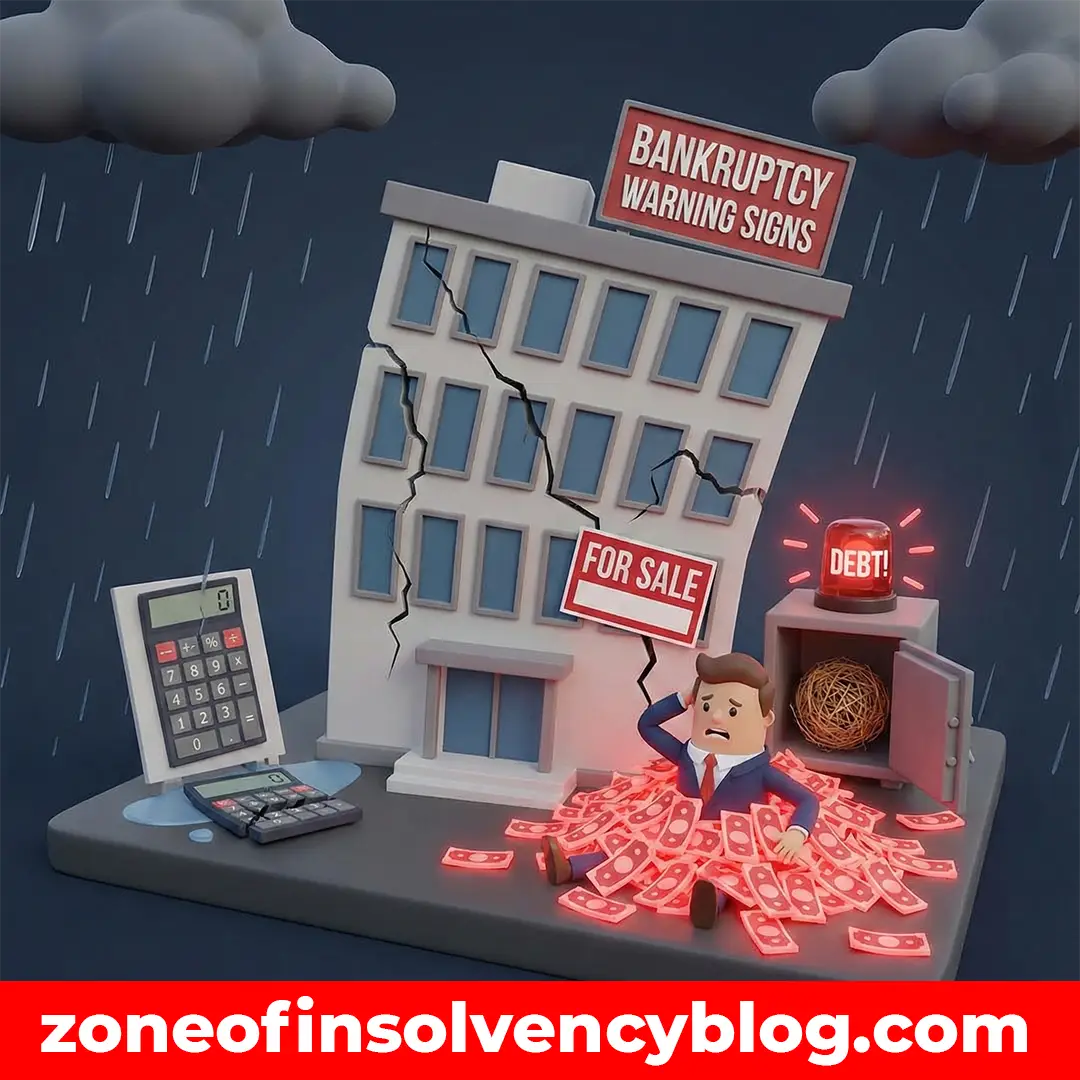
There's no magic number that triggers bankruptcy eligibility. But certain situations make the decision clearer than people realize. Here are the signals that suggest it's time for a serious conversation with a bankruptcy attorney.
Bankruptcy Warning Signs
| Warning Sign | Why It Matters | What To Do |
|---|---|---|
| Using credit to pay bills | Debt spiral accelerating | Stop immediately, assess options |
| Only making minimums | Principal never decreases | Calculate actual payoff timeline |
| Wage garnishment active | 25% of income disappearing | Consider bankruptcy for relief |
| Foreclosure threatened | Losing home without action | Chapter 13 can stop and cure |
| Borrowing from retirement | Sacrificing protected assets | Stop—401(k) is safe in bankruptcy |
The Debt Spiral Warning Sign
Using credit cards to pay other credit cards or basic living expenses signals a debt spiral. You're not managing debt—you're feeding it. Each month, the hole deepens. Interest compounds on interest. Minimum payments grow while available credit shrinks.
This pattern is unsustainable mathematically. If you're adding debt faster than you're paying it down, there's no path to zero without dramatic change. Bankruptcy might be that change.
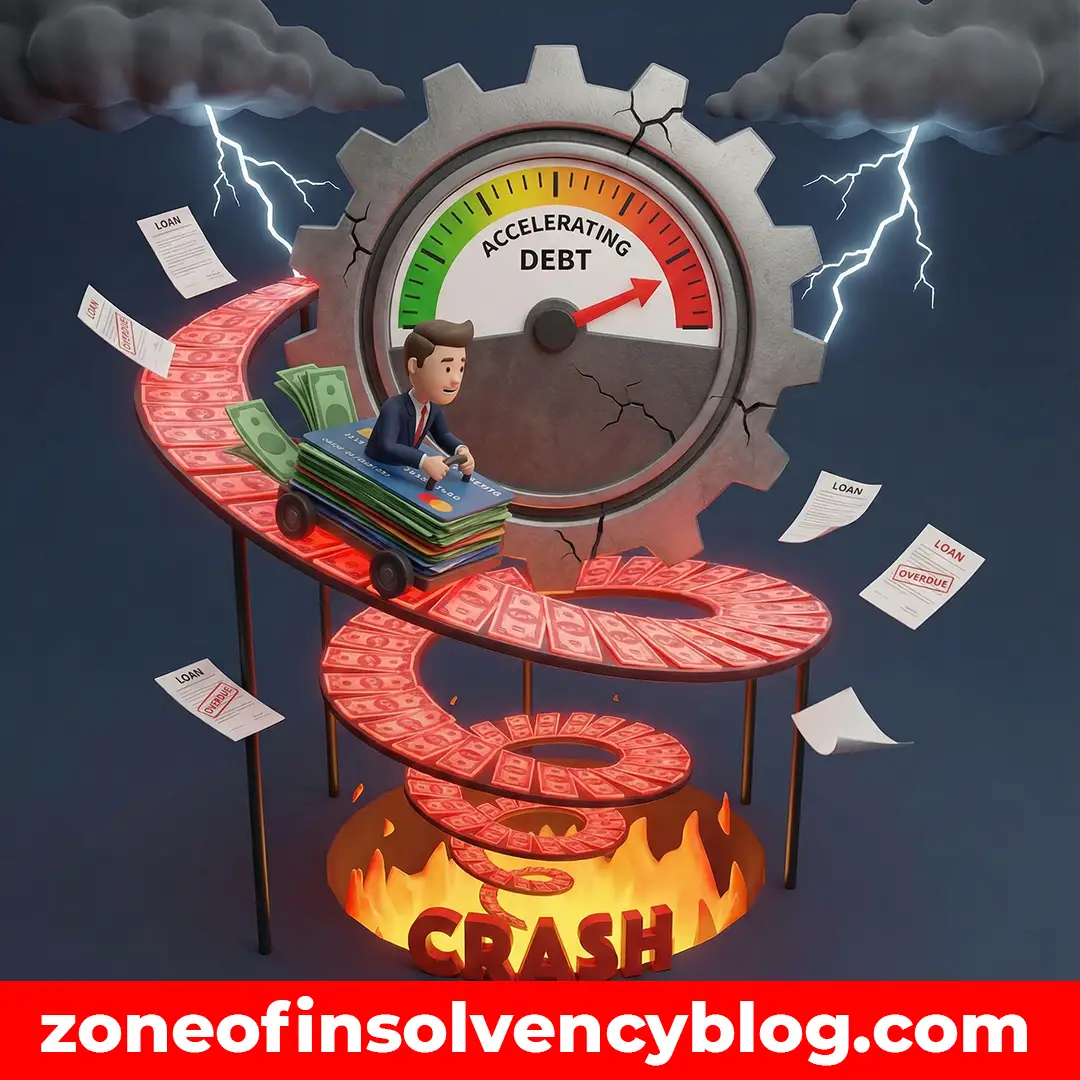
Expert insight: "Track net debt change monthly. If total debt increases three months in a row despite payments, you're spiraling. It won't self-correct."
The Minimum Payment Trap
Credit card companies design minimum payments to maximize interest while keeping you current. A $10,000 balance at 24% APR with 2% minimum payments takes over 30 years to pay off. You'll pay more than $20,000 in interest—triple the original debt.

If you can only make minimum payments, you're not making progress. You're running in place while the treadmill profits from your effort. Calculate your own payoff timeline. Credit card statements include this information by law.
When Collectors Cross Lines
Daily calls, letters threatening lawsuits, contact attempts at your workplace—aggressive collection indicates creditors believe they can collect. Once they've tried softer approaches, escalation usually precedes legal action.
The Garnishment Emergency
Active wage garnishment creates urgency bankruptcy discussions otherwise lack. When 25% of your paycheck disappears before you see it, cash flow crisis accelerates. Bills go unpaid. New debts accumulate.
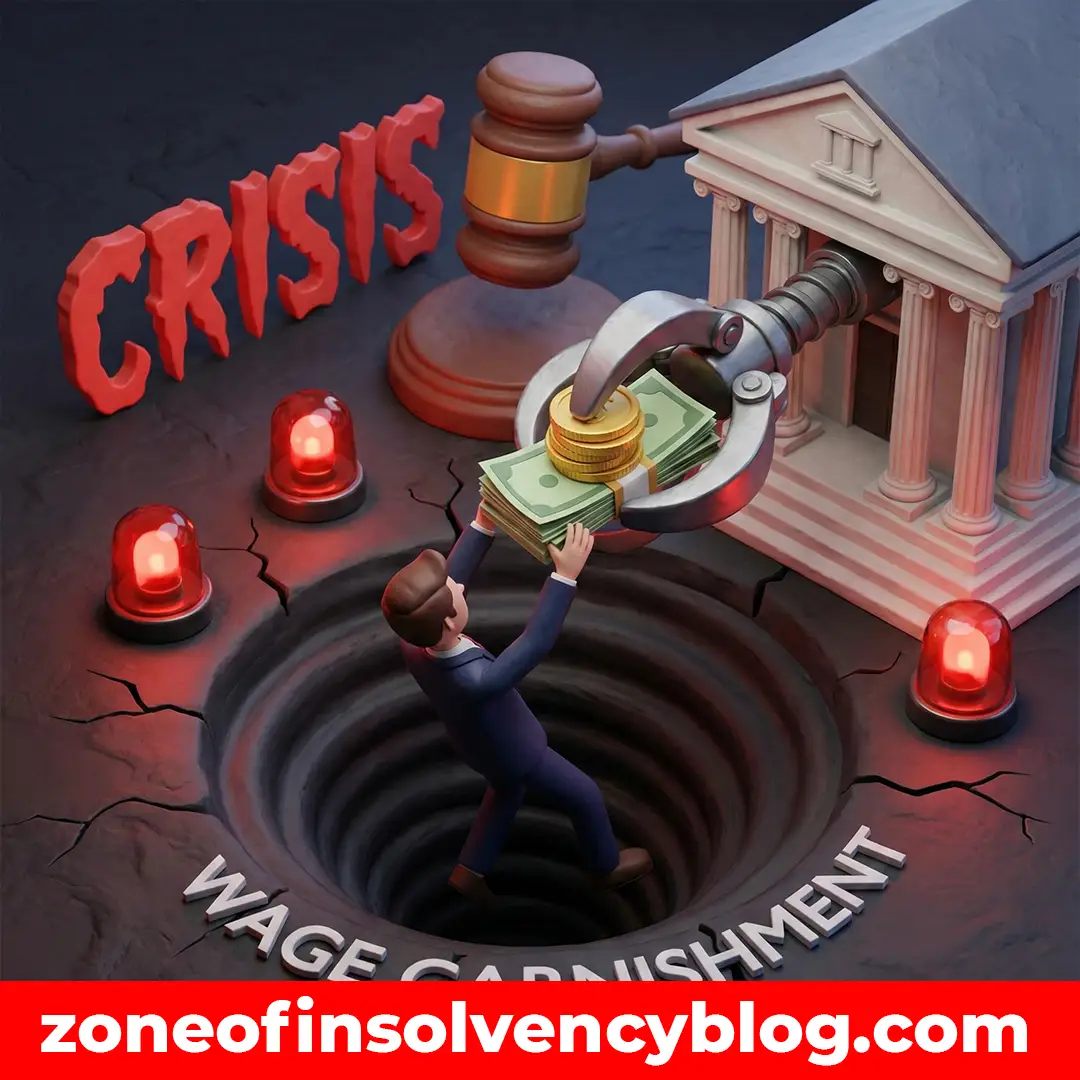
Bankruptcy stops garnishment immediately. The automatic stay ends all collection the moment you file. Some recently garnished funds may even be recoverable. This isn't just debt elimination—it's income restoration.
| Situation | Immediate Action | Bankruptcy Helps By... |
|---|---|---|
| Foreclosure notice | Contact attorney within days | Stopping sale, allowing 3-5 year catch-up |
| Wage garnishment | File bankruptcy ASAP | Stopping garnishment, recovering funds |
| Lawsuit filed | Don't ignore, respond or file | Ending lawsuit, preventing judgment |
| Medical bills overwhelming | Get itemized bills, assess | Discharging 100% of medical debt |
| Using retirement for debt | Stop withdrawals | Discharging debt, protecting retirement |
The Retirement Account Mistake
Raiding retirement accounts to pay creditors is one of the most heartbreaking patterns. People withdraw from 401(k)s—paying 10% penalties plus taxes—to pay debts that bankruptcy would have eliminated anyway.

Here's what they don't realize: retirement accounts are protected in bankruptcy. That $30,000 in a 401(k) stays yours no matter what. But once you withdraw it, it becomes exposed cash, gets taxed, and loses decades of potential growth.
Expert insight: "Never cash out retirement to pay credit cards. Even if you're not filing bankruptcy, that money is protected from creditors. Keep it."
When Bankruptcy Isn't The Answer Yet
Not every debt problem requires bankruptcy. Temporary setbacks with clear resolution—brief job loss with new employment starting, medical bills that charity care will cover—might not justify the credit impact.

Debts under $10,000 with reasonable income can often be addressed through aggressive budgeting or balance transfers. The fresh start value diminishes when debt amounts are manageable.
Getting Professional Assessment
Most bankruptcy attorneys offer free initial consultations. Use them. Bring your debts, income, assets, and recent financial documents. A competent attorney can assess Chapter 7 eligibility and suggest timing within a single meeting.
The consultation costs nothing and might save years of struggle. Don't let shame delay the conversation.
Frequently Asked Questions
Is there a minimum debt amount for bankruptcy?
No—there's no floor, though costs make filing less worthwhile for very small amounts.
Should I wait until I'm sued to file?
No—filing before judgment prevents garnishment and liens that complicate your case.
Can I file bankruptcy if I have a job?
Yes—employment doesn't disqualify you, though income affects which chapter you file.
How do I know if I'll qualify for Chapter 7?
The means test compares your income to state median—below median usually qualifies.
Will waiting too long hurt my case?
Sometimes—recent luxury purchases or asset transfers can be challenged.
Is it better to file before or after divorce?
Depends on circumstances—joint filing before divorce is sometimes simpler and cheaper.
Updated 2025-01-07