Life After Chapter 7: A Month-by-Month Credit Score Recovery Timeline
Your Chapter 7 discharge arrived last week. The debts are gone. The collection calls stopped. Now comes the question everyone asks: how long until my credit recovers? The answer is more encouraging than most people expect.
Credit scores after bankruptcy follow predictable patterns. Debtors who take strategic action see meaningful improvement within months, not years. Those who wait passively for time to heal their credit miss opportunities that accelerate recovery significantly.
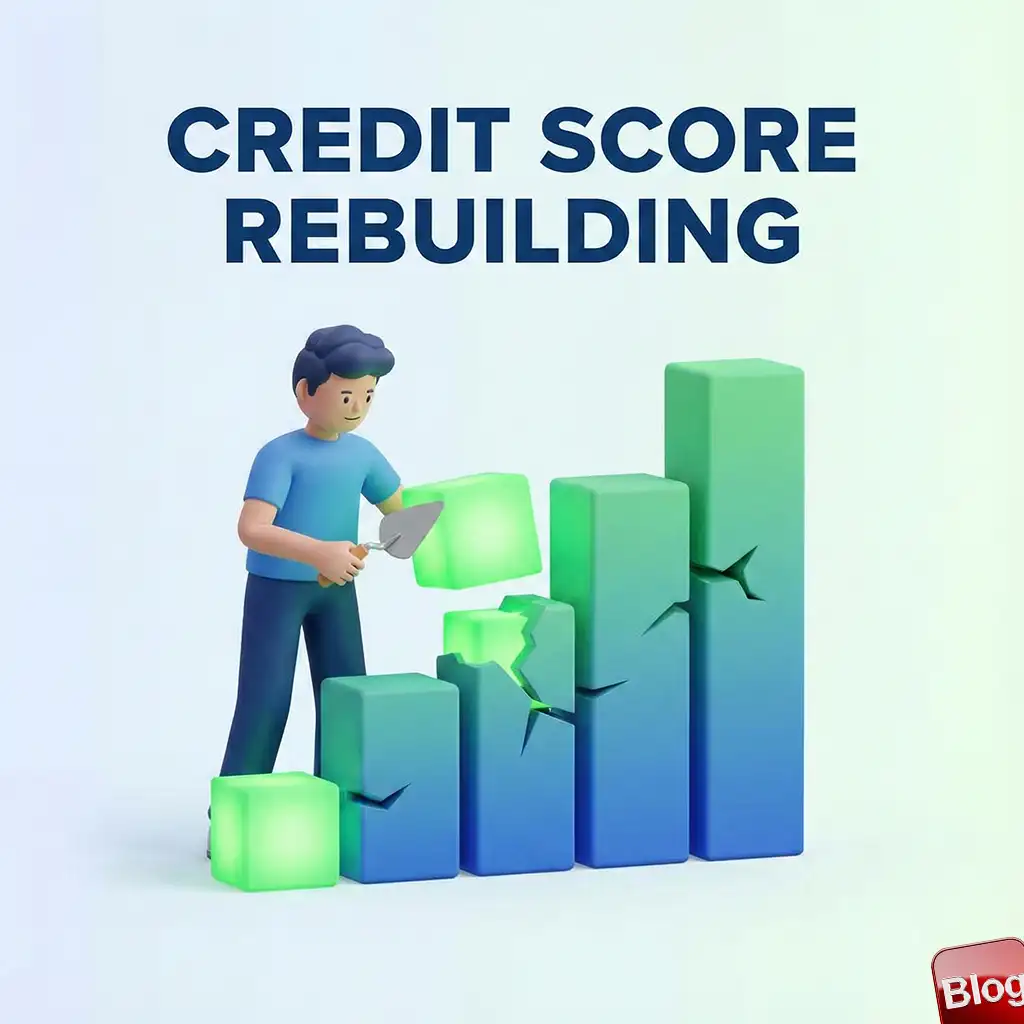
This month-by-month guide provides a realistic timeline based on actual debtor experiences and credit scoring mechanics. Your individual results will vary, but the trajectory remains remarkably consistent across thousands of post-bankruptcy recoveries.
Credit Score Recovery Milestones
| Timeline | Typical Score Range | Credit Access Level |
|---|---|---|
| Discharge day | 500-550 | Secured cards only |
| 6 months | 550-600 | Subprime auto loans |
| 12 months | 600-650 | Unsecured cards possible |
| 24 months | 650-700 | FHA mortgage eligible |
| 48 months | 700-750 | Conventional mortgages |
Months 1-3: The Foundation Phase
The first 90 days after discharge establish patterns that determine your recovery trajectory. Credit bureaus have updated their records to reflect discharged debts. Your score has hit bottom. Paradoxically, this represents the perfect starting point for rebuilding.
Secured credit cards become your primary rebuilding tool during this phase. These cards require a cash deposit—typically $200 to $500—that becomes your credit limit. The issuing bank faces no risk because your deposit covers any potential default. Most major banks offer secured cards specifically designed for credit rebuilding.

Apply for one secured card immediately after discharge. Use it for small, recurring purchases you would make anyway—gas, groceries, streaming subscriptions. Pay the balance in full before the due date every single month. Never carry a balance. Never miss a payment. These first months establish payment history that credit algorithms weigh heavily.
Credit monitoring becomes essential during this phase. Free services like Credit Karma provide weekly updates on score changes and alert you to new accounts or inquiries. Watch for errors on your credit reports—discharged debts sometimes continue reporting as active, dragging down scores unnecessarily.
Disputing Credit Report Errors
Discharged debts should report with zero balances and notation that they were included in bankruptcy. Accounts showing active collection status or outstanding balances after discharge contain errors that hurt your score. Dispute these inaccuracies immediately with all three credit bureaus.
The dispute process works online through each bureau's website. Attach your discharge order as documentation. Credit bureaus must investigate within 30 days and correct verified errors. Removing inaccurate negative information produces immediate score improvements—sometimes 20-40 points from a single corrected account.
Months 4-6: Building Momentum
By month four, your secured card has established a payment history pattern. Credit algorithms begin recognizing consistent on-time payments. Scores typically climb 30-50 points during this phase as the initial bankruptcy shock fades and positive payment data accumulates.

Consider adding a second secured card from a different issuer during this period. Multiple accounts reporting positive payment history accelerate rebuilding. Credit mix matters to scoring algorithms—having more than one account demonstrates ability to manage multiple credit relationships responsibly.
Key actions for months 4-6:
- Maintain perfect payment record on all existing accounts without exception
- Add second secured card or credit-builder loan to diversify credit mix
- Keep credit utilization below 30% of available limits at all times
- Continue monitoring reports for errors and dispute any inaccuracies found
Months 7-12: Crossing the 600 Threshold
The 600-point mark represents a meaningful milestone. Below 600, most mainstream credit products remain unavailable. Above 600, options begin opening. Many debtors reach this threshold between months 9 and 12 of consistent rebuilding activity.
Unsecured credit card offers may start arriving in your mailbox. These starter cards carry low limits—often $300 to $500—and high interest rates. The interest rates matter only if you carry balances, which you should never do during rebuilding. Accept one offer to add an unsecured tradeline to your credit profile.

Auto financing becomes possible around the one-year mark, though interest rates remain elevated. Subprime auto lenders specialize in post-bankruptcy borrowers. Expect rates in the 15-20% range initially. A substantial down payment—ideally 20% or more—reduces both the financed amount and demonstrates financial stability to lenders.
The Utilization Sweet Spot
Credit utilization—the percentage of available credit you actually use—significantly impacts scores. Using 90% of your credit limit hurts scores even with perfect payments. The optimal utilization rate falls between 1% and 10%. Keep balances low relative to limits, paying before statement closing dates if necessary to report lower utilization.
Year Two: Real Progress Emerges
The second year after discharge brings tangible improvements in credit access and terms. Scores reaching the 650-680 range open doors that seemed permanently closed at discharge. The bankruptcy remains on your credit report, but its impact diminishes as positive payment history accumulates.
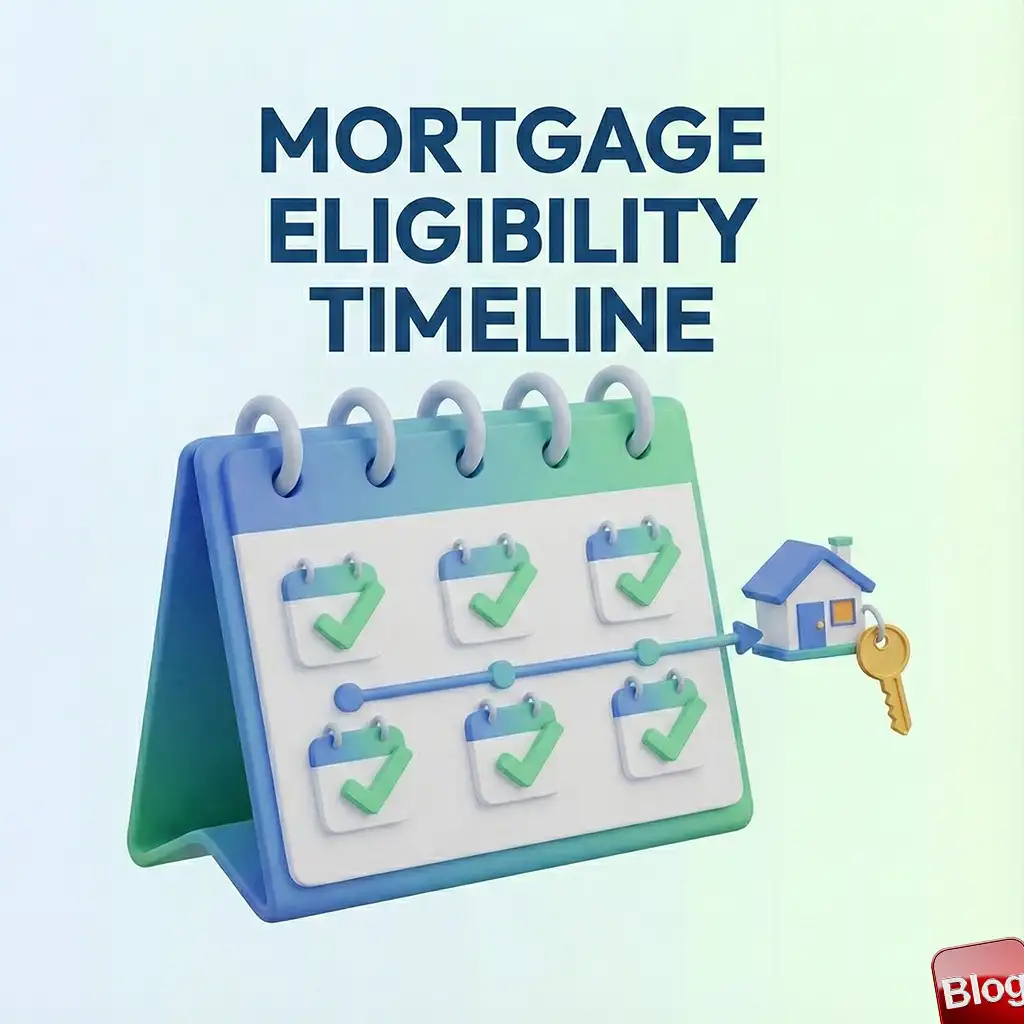
FHA mortgage eligibility arrives at the two-year mark for many discharged debtors. FHA guidelines allow mortgage approval with scores as low as 580, though most lenders prefer 620 or higher. The two-year waiting period from discharge date—not filing date—must pass before FHA application.
Auto loan rates improve substantially during year two. Borrowers who qualified only for 18% rates at one year may find 10-12% rates available at 24 months. Each percentage point reduction saves hundreds of dollars over a typical loan term. Refinancing high-rate year-one loans becomes attractive as creditworthiness improves.
Credit Product Availability by Post-Discharge Period
| Credit Product | Earliest Availability | Optimal Timing |
|---|---|---|
| Secured credit card | Immediately | Within 30 days |
| Subprime auto loan | 6 months | 12-18 months |
| Unsecured credit card | 9-12 months | 18-24 months |
| FHA mortgage | 24 months | 36+ months |
| Conventional mortgage | 48 months | 60+ months |
Years Three and Four: Approaching Normal
By year three, many post-bankruptcy consumers achieve credit scores in the 700s—territory that seemed impossible at discharge. The bankruptcy notation remains on credit reports, but lenders increasingly view it as historical rather than predictive. Your recent payment history speaks louder than the old bankruptcy filing.
Conventional mortgage eligibility arrives at the four-year mark. Fannie Mae and Freddie Mac guidelines require a four-year waiting period from discharge for conventional loan eligibility. With a 700+ score and solid income documentation, post-bankruptcy borrowers can qualify for competitive mortgage rates.
Credit rebuilding milestones for years three and four:
- Prime rate credit cards with meaningful rewards programs and higher limits
- Competitive auto loan rates within 1-2% of non-bankruptcy borrowers
- Conventional mortgage eligibility with standard down payment requirements
- Personal loans available at reasonable rates for major purchases
The Seven-Year Horizon
Chapter 7 bankruptcy remains on credit reports for ten years from filing date. However, most of the negative impact fades well before removal. By year seven, the bankruptcy notation affects scores minimally. Credit algorithms weight recent information heavily; a seven-year-old bankruptcy matters far less than three years of perfect payment history.
Some debtors achieve excellent credit—750 or higher—before bankruptcy removal. This proves that credit history matters more than credit events. Building positive history consistently over years outweighs even a bankruptcy filing in scoring models. The bankruptcy notation becomes increasingly irrelevant as time passes.
The journey from discharge to credit recovery requires patience and consistency. Quick fixes don't exist. Credit repair scams promise rapid improvements they cannot deliver. Legitimate rebuilding follows the timeline outlined above—gradual improvement through responsible credit use over months and years.
Frequently Asked Questions
Will my score ever fully recover to where it was before bankruptcy?
Most debtors achieve scores equal to or higher than pre-bankruptcy levels within five to seven years through consistent rebuilding efforts and responsible credit management.
Should I avoid all credit after bankruptcy to prevent future problems?
No—avoiding credit entirely prevents rebuilding and leaves you without a credit history, making responsible credit use essential for score recovery.
How many credit cards should I have during rebuilding?
Two to three cards provide sufficient credit mix without overcomplication, with each card serving as another positive tradeline reporting monthly.
Can I buy a house two years after Chapter 7 discharge?
Yes—FHA loans become available at the two-year mark with sufficient credit score, income, and down payment, though rates may be higher initially.
Do credit repair companies help speed recovery after bankruptcy?
Most cannot deliver more than you can accomplish yourself through dispute letters and responsible credit use, making their fees generally unnecessary.
What if I miss a payment during the rebuilding process?
A single missed payment causes significant score damage that takes months to recover from, making on-time payment the single most important rebuilding priority.
Updated 2025-01-07