Can You Go to Jail for Unpaid Collections: Complete Legal Truth
No, you cannot go to jail simply for failing to pay collection accounts or any other ordinary consumer debt. Debtors prisons were abolished in the United States nearly two hundred years ago. Owing money to creditors is a civil matter, not criminal, and carries absolutely no possibility of incarceration.
However, certain debt-related actions can have criminal consequences, and some court procedures related to debt collection can theoretically result in arrest if completely ignored. Understanding these important distinctions helps you respond appropriately to collection threats without unnecessary fear.
Criminal Liability Overview
| Situation | Can Result in Jail? | Explanation |
|---|---|---|
| Unpaid credit cards | No | Civil debt only - not criminal |
| Unpaid medical bills | No | Civil debt only - not criminal |
| Unpaid personal loans | No | Civil debt only - not criminal |
| Ignoring court summons | Possibly | Contempt of court issue |
| Unpaid child support | Yes | Contempt of family court |
| Writing bad checks | Possibly | May constitute criminal fraud |
Debtors Prisons Are Illegal in America
The United States abolished imprisonment for debt through federal law in 1833 and subsequent state actions. The fundamental principle is that owing money is simply not a crime. You cannot legally be jailed for being poor or for failing to pay bills you cannot afford.
This protection applies to all ordinary consumer debts including credit cards, medical bills, personal loans, auto loan deficiencies, mortgage deficiencies, utility bills, and collection accounts of all kinds. The debt itself, no matter how large the amount, cannot result in criminal prosecution or imprisonment.
Any debt collector who threatens you with arrest for simply owing money is violating federal law. The Fair Debt Collection Practices Act explicitly prohibits threats of actions that cannot legally be taken. Threatening jail for ordinary debt collection is per se illegal.
Expert insight: "If a collector threatens to have you arrested for not paying a debt, they are breaking the law, not you. Document the threat carefully and report it. These FDCPA violations can result in financial recovery for you."
How Court Procedures Can Create Arrest Risk
While you absolutely cannot be jailed for the debt itself, completely ignoring court proceedings related to debt collection can potentially lead to arrest for contempt of court. Understanding this crucial distinction helps you protect yourself.

When creditors sue for debt collection, they file cases in civil court. You receive a summons requiring you to respond or appear. Ignoring the summons does not directly result in arrest, but it does allow the creditor to win a default judgment against you.
After obtaining a judgment, creditors may request debtor examinations to discover your assets and income. Courts issue orders requiring you to appear and answer questions under oath. These orders are court commands, not mere creditor requests.
Ignoring a court order to appear for debtor examination can result in a bench warrant for contempt of court. The contempt is for defying the court's order, not for owing money. But the practical result is that failing to show up for required proceedings can theoretically lead to arrest.
Child Support Is Different From Other Debts
Child support represents the one area where unpaid debt can actually result in incarceration. However, this is not imprisonment for debt in the traditional sense but rather contempt for violating court orders to financially support your children.
Family courts order parents to pay child support. Willful failure to pay when you have the ability to do so can result in contempt findings. Courts can impose jail as a sanction for contempt, with release typically contingent on payment.
The key word is willful. Courts distinguish between those who genuinely cannot pay due to unemployment, disability, or other inability and those who deliberately choose not to pay despite having resources. True inability to pay is not contempt. Refusal to pay despite ability is contempt.
When Debt Becomes Criminal
Certain debt-related behaviors can cross into criminal territory, though the crime is the specific behavior, not merely the owing of money. Understanding these important lines helps you avoid criminal exposure.
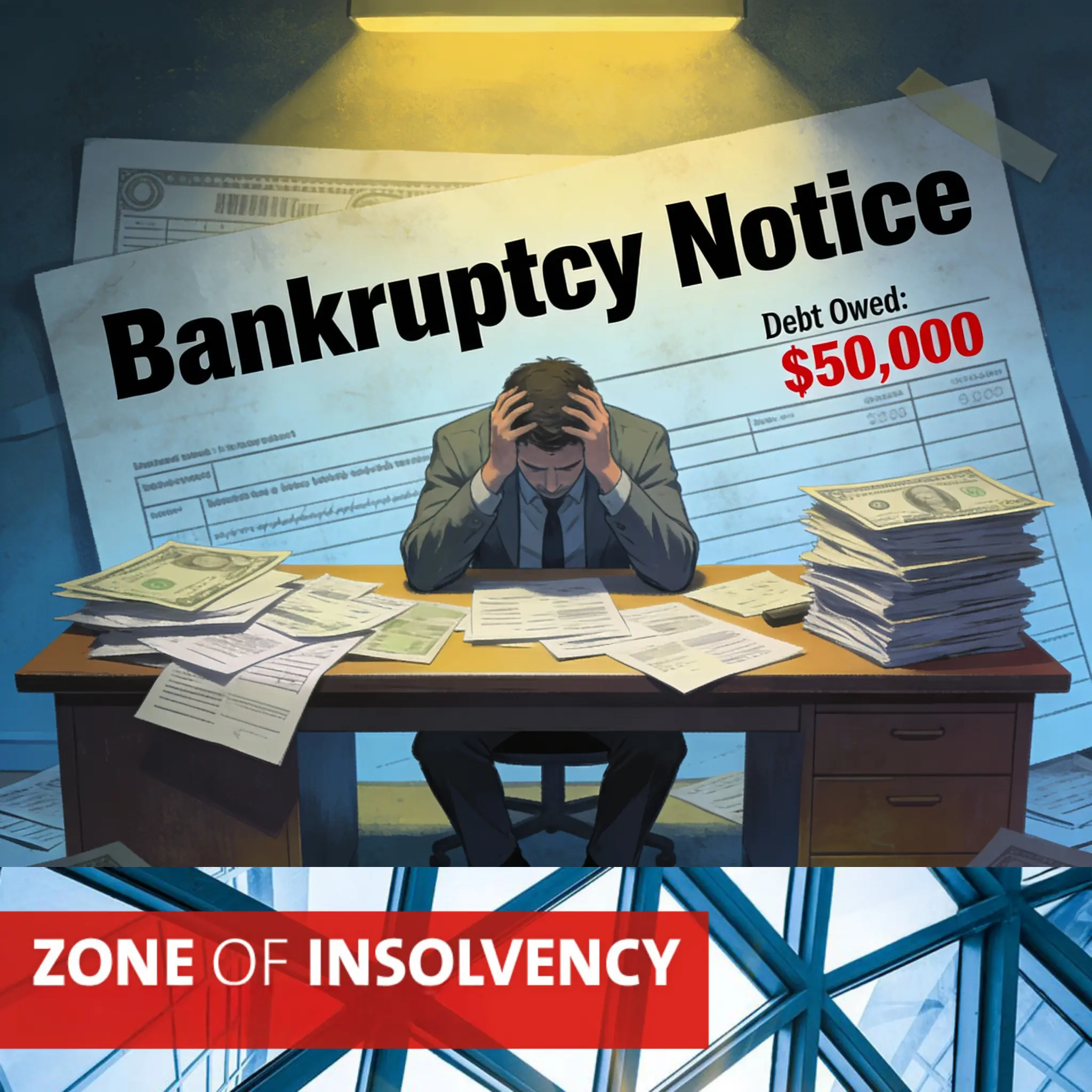
Writing bad checks can be prosecuted as fraud if you knew the account lacked sufficient funds when you wrote the check. This is not imprisonment for debt but prosecution for fraud. The crime is the deception, not the debt.
Obtaining goods or services through deliberate false statements can constitute criminal fraud. Lying on credit applications, misrepresenting ability to pay, or making purchases you never intended to pay for may potentially be prosecuted criminally.
Expert insight: "Owing money is absolutely not criminal. But lying to get money, deliberately hiding money you owe, or completely ignoring court orders can have criminal consequences. The key is honest dealing with creditors and courts."
Responding to Threats of Arrest
When collectors threaten arrest, they are either deliberately lying or confused about the law. Understanding your rights helps you respond appropriately without unnecessary fear.
Ask specifically what criminal statute you allegedly violated. Owing money is not a crime, so there is no valid answer. The threat itself may violate the FDCPA, creating legal liability for the collector.
Document the threat completely with date, time, collector name, and exact language used. This documentation supports complaints and potential lawsuits. Record calls if your state permits one-party consent recording.
Report FDCPA violations to the Consumer Financial Protection Bureau at consumerfinance.gov and your state attorney general. Regulatory agencies investigate patterns of abuse and can take enforcement action against violators.
Frequently Asked Questions
Can debt collectors have me arrested?
No. Only law enforcement can arrest, and owing money is not a crime. Collectors who threaten arrest are violating federal law.
What if I get a court summons for debt?
Respond appropriately. Ignoring court proceedings can lead to default judgment and potentially contempt issues. The debt cannot result in jail but ignoring courts can.
Is it illegal to not pay my bills?
No. Failing to pay is a civil matter with civil consequences like lawsuits and credit damage. It is not criminal.
Can I go to jail for medical debt?
No. Medical debt is ordinary civil debt with no criminal implications for non-payment.
What about payday loans?
Payday loans are civil debts like any other consumer debt. Collectors sometimes threaten criminal prosecution, but this violates the FDCPA and is not a real possibility.
How do I report illegal threats from collectors?
File complaints with the Consumer Financial Protection Bureau and your state attorney general. Document all threatening communications carefully.
Updated 2025-01-07