What Is the Number 1 Reason People File Bankruptcy
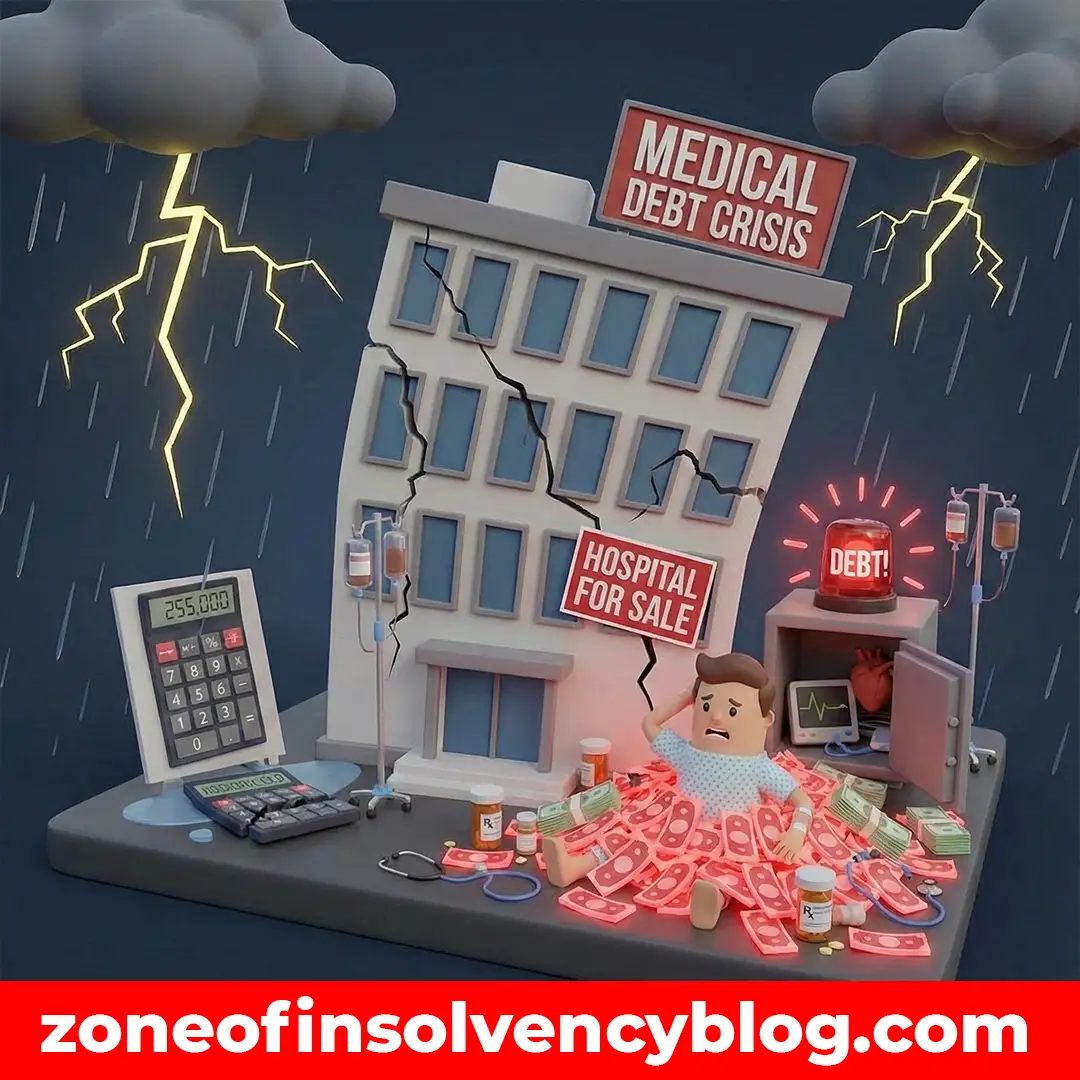
Medical debt. Study after study confirms it. Medical bills and medical-related income loss cause more bankruptcies than any other single factor—approximately 66% of all filings have medical debt as a contributing cause.
This isn't about irresponsible people running up credit cards. It's about the American healthcare system creating unpayable bills for ordinary families.
Top Bankruptcy Causes
| Bankruptcy Cause | % of Filings | Key Characteristics |
|---|---|---|
| Medical debt/expenses | 66% | Often insured, still overwhelmed |
| Job loss | 44% | Sudden income drop, debts continue |
| Credit card overuse | 38% | Often covering living expenses |
| Divorce | 24% | Income halves, expenses double |
| Housing costs | 19% | Mortgage arrears, foreclosure |
The Medical Debt Crisis
A 2019 study in the American Journal of Public Health found 66.5% of bankruptcies were tied to medical issues—either bills directly or income loss from illness. That's about 530,000 families annually. The numbers are staggering and uniquely American among developed nations.

Here's what surprises people: most medical bankruptcies involve people who had insurance. Deductibles, co-pays, out-of-network charges, and coverage gaps create five and six-figure bills even for the insured. Insurance provides less protection than people assume.
Cancer treatment averaging $150,000 or more. Heart surgery running $75,000 to $250,000. Extended ICU stays at $5,000 to $10,000 daily. Emergency appendectomy for $30,000. These numbers break household budgets designed for normal expenses.
Expert insight: "Never ignore hospital bills hoping they'll disappear. Medical debt accrues late fees, goes to collections, and can result in lawsuits. Address it early."
How Medical Debt Spirals
The initial bill is just the beginning. A family with $20,000 in unexpected medical costs makes payment arrangements, cutting into monthly budget. But then comes related income loss—recovering from surgery means missing work. Reduced income meets increased expenses.
Credit cards cover the gap. Minimum payments drain remaining cash. Other bills fall behind. Interest compounds. Six months later, that $20,000 medical bill has metastasized into $40,000 across credit cards, medical accounts, and accumulated late fees.
Job Loss: The Second Major Cause
About 44% of bankruptcies involve job loss as a contributing factor. The math is simple: income stops but expenses continue. Mortgages, car payments, utilities, insurance—all keep demanding money that isn't coming.

Unemployment insurance replaces only a fraction of income for limited duration. Severance packages run out. Savings deplete. Credit cards become survival tools. When new employment finally comes, accumulated debt proves insurmountable.
| Time Unemployed | Debt Accumulated | Bankruptcy Likelihood |
|---|---|---|
| 3 months | $8,000 - $15,000 | Low—usually recoverable |
| 6 months | $20,000 - $35,000 | Moderate—stress significant |
| 12 months | $40,000 - $60,000 | High—often unrecoverable |
| 18+ months | $60,000+ | Very high—destruction likely |
Credit Card Debt: Symptom Not Cause
Credit card debt appears in 38% of bankruptcies, but calling it a "cause" misrepresents reality. People don't usually bankrupt from shopping sprees. They bankrupt because credit cards become lifelines when income falls short.
The sequence matters. Income drops or expenses spike. Savings deplete. Credit cards cover necessities—groceries, utilities, minimum payments on other debts. Balances climb. Interest accumulates. What started as emergency use becomes permanent high-cost debt.
Expert insight: "Credit card debt isn't shameful—it's often evidence of someone trying hard to stay afloat during crisis. The shame narrative serves credit card companies, not struggling families."
Divorce: Financial Destruction
Roughly a quarter of bankruptcies involve divorce as contributing factor. The financial math is brutally simple: one household becomes two, expenses nearly double, but combined income stays the same.

The family home that required two incomes becomes impossible for one. Child support and alimony create obligations that didn't exist in marriage. Legal fees consume savings. Property division might leave both spouses with debt but without assets.
Multiple Causes Compound
Most bankruptcies involve multiple factors. Medical crisis leads to job loss. Job loss leads to credit card accumulation. Divorce compounds medical debts. The percentages add to more than 100% because causes overlap.
This multiplicity matters because it shows bankruptcy isn't usually one bad decision. It's cascading misfortune that overwhelms coping capacity.
Protection Through Understanding
Knowing what causes bankruptcy helps you protect against it. Emergency funds covering three to six months expenses provide buffer against income loss. Comprehensive health insurance with reasonable out-of-pocket limits protects against medical catastrophe.

None of these protections are complete. Medical costs can exceed any insurance. Job losses can outlast any savings. But buffers buy time—time to find solutions, time to adapt.
And if despite everything you end up in bankruptcy, know that you're in good company. Millions of hardworking people have walked this path. They emerged with fresh starts and built financial stability they couldn't achieve otherwise.
Frequently Asked Questions
Can I discharge all medical debt in bankruptcy?
Yes—medical debt is unsecured and fully dischargeable in both Chapter 7 and Chapter 13.
Should I file bankruptcy before or after medical treatment?
Usually after—include all bills, but sometimes timing around ongoing treatment matters.
Does bankruptcy stop medical providers from treating me?
Legally no, but some providers require payment arrangements for ongoing non-emergency care.
If I lost my job, can I qualify for Chapter 7?
Often yes—lower income makes passing the means test easier.
Should both divorcing spouses file bankruptcy?
Depends on whose names are on which debts—joint filing before divorce is sometimes simpler.
Will my medical providers know I filed bankruptcy?
Yes—all creditors receive notice and must stop collection efforts.
Updated 2025-01-07