Is It Worse to File Bankruptcy or Just Not Pay
This question comes up constantly, and the answer isn't what most people expect. Sometimes bankruptcy is clearly better. Sometimes strategic default makes more sense. Often, doing nothing is the worst option of all.
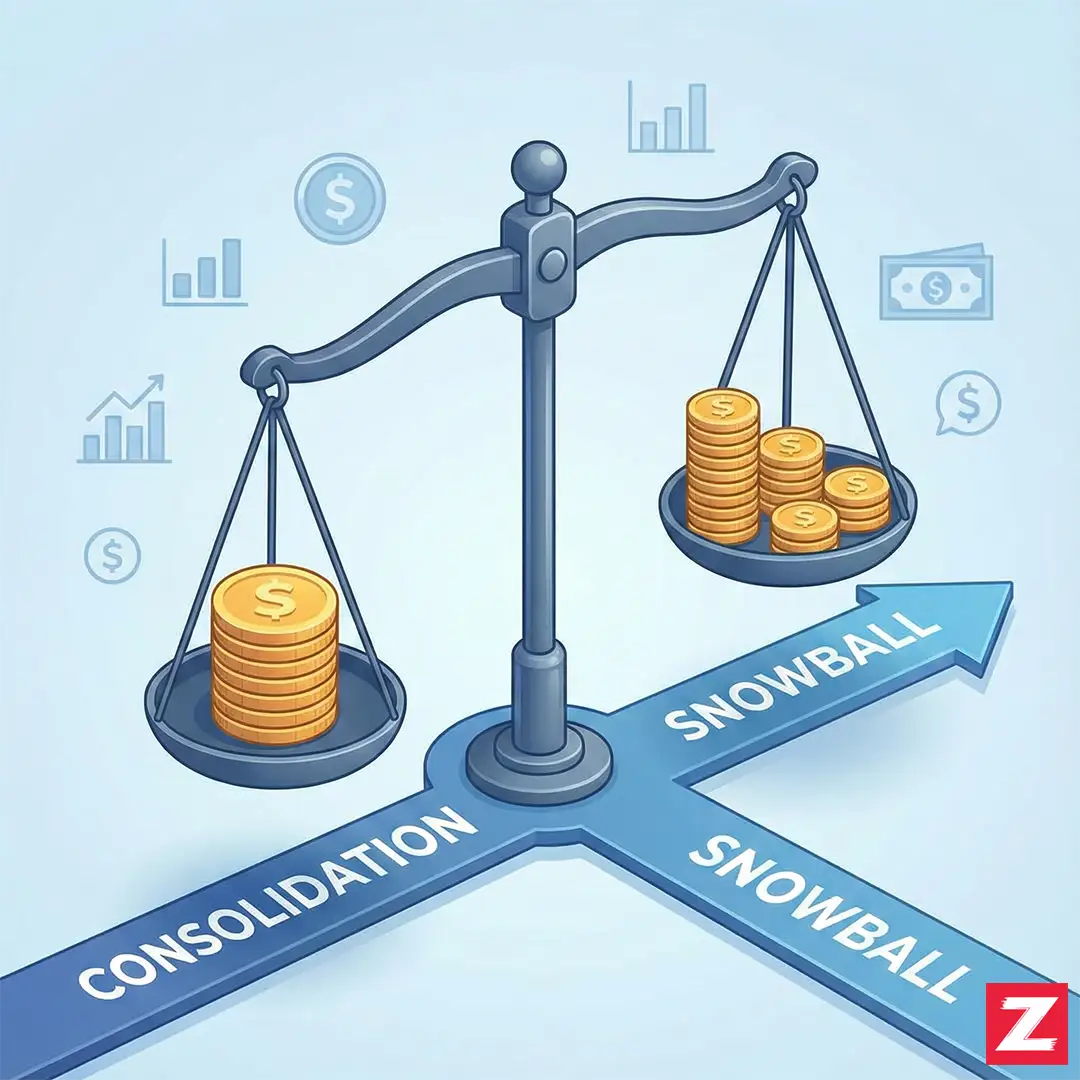
The choice depends on your assets, income, debt types, and risk tolerance. There's no universal right answer that fits everyone. Let's walk through the scenarios where each path makes sense.
Bankruptcy vs Not Paying Comparison
| Factor | Bankruptcy Better | Not Paying Better |
|---|---|---|
| Wage Garnishment Risk | High (employed, attachable wages) | Low (self-employed, fixed income) |
| Asset Exposure | Significant non-exempt assets | Judgment-proof or minimal assets |
| Debt Types | Mostly dischargeable | Mostly non-dischargeable |
| Timeline | Need immediate relief | Can tolerate years of collection |
| Future Income | Stable or increasing | Declining or uncertain |
What Happens When You Just Stop Paying
Defaulting on debt triggers a predictable sequence. First come letters and phone calls—annoying but harmless. After 180 days of non-payment, creditors charge off the debt and either assign it to internal collections, sell it to debt buyers, or refer it to collection attorneys.
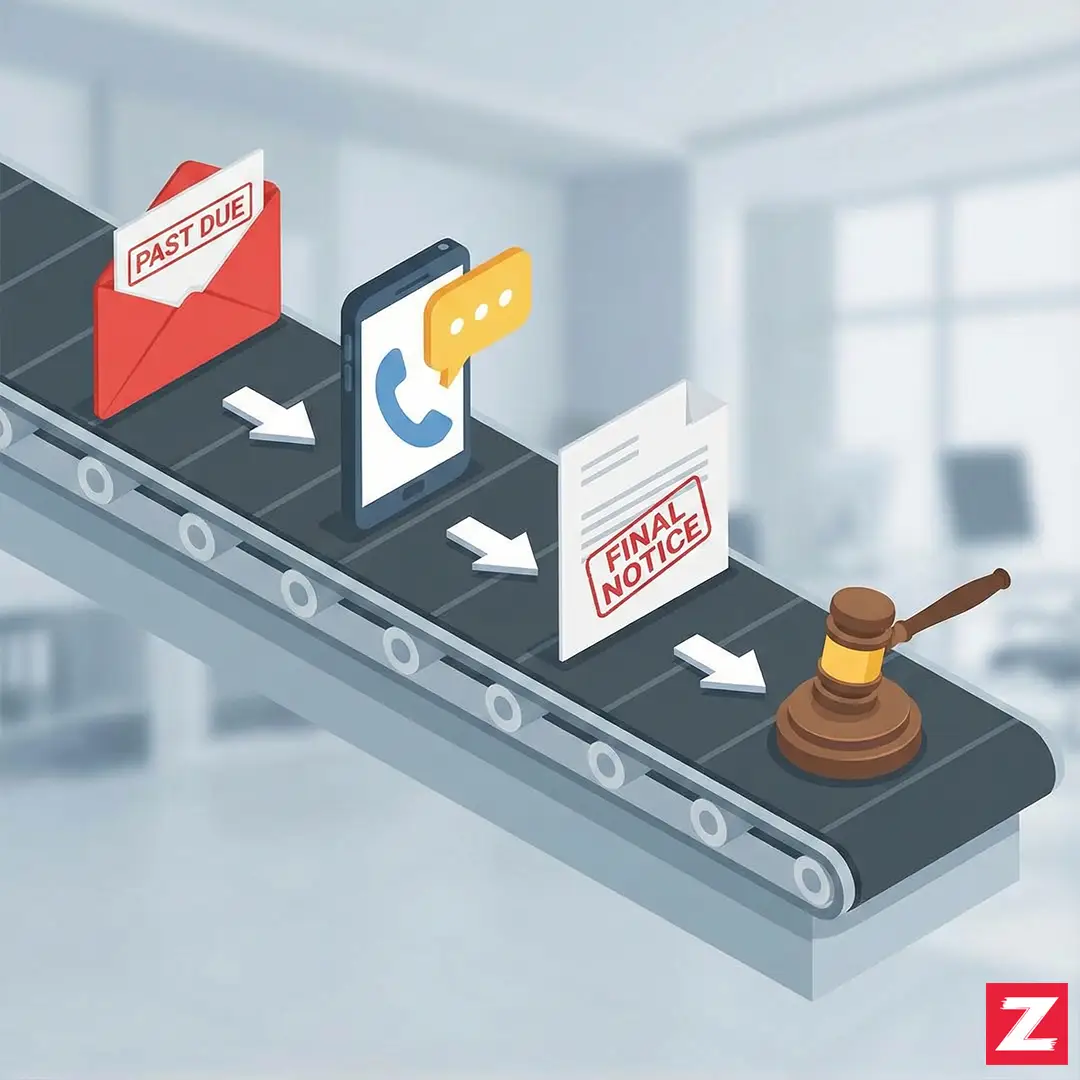
Debt buyers pay 4 to 10 cents per dollar of face value for charged-off accounts. They're buying lottery tickets hoping some percentage of debtors will pay. Their profit margin depends on volume and low costs, which means automated letters and calls rather than lawsuits for smaller debts.
But lawsuits do happen. Collection attorneys file suit when they believe they can collect. If you own property, have steady employment, or maintain bank accounts they can levy, you become a target.
Expert insight: "Creditors are more likely to sue when they can find assets. Owning a home with equity makes you a target. Renting and working gig jobs makes you nearly invisible."
The Judgment Problem
Here's where not paying gets dangerous. If a creditor sues and you don't respond, they get a default judgment. If you respond but lose, they get a judgment anyway. That judgment dramatically expands their collection powers.
With a judgment, creditors can garnish wages up to 25% of disposable income in most states. They can levy bank accounts, often freezing everything before you know it happened. They can place liens on real property that must be satisfied when you sell or refinance.
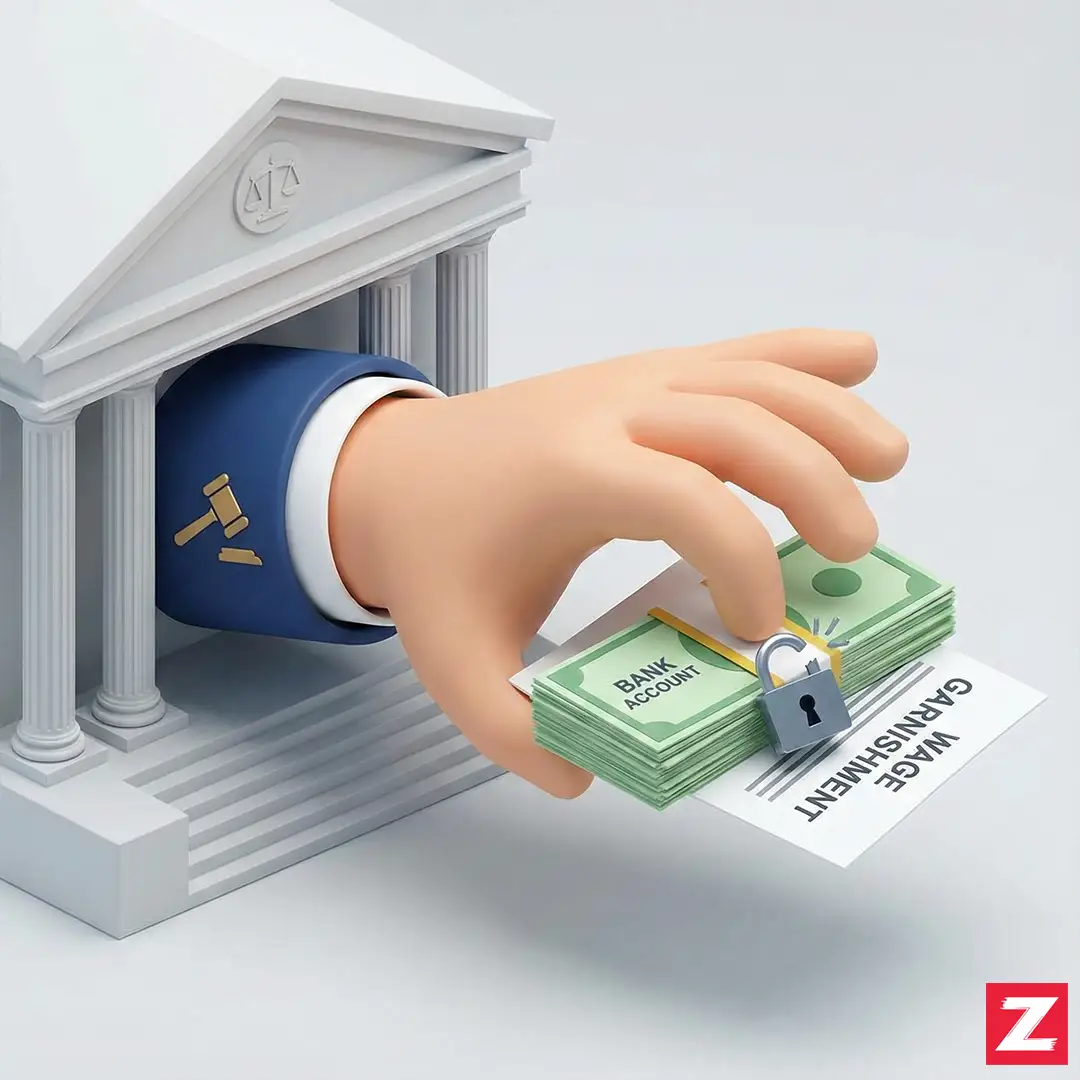
Judgments last 10 to 20 years depending on state law and can usually be renewed. That $5,000 credit card debt becomes a multi-decade anchor. Interest accrues at judgment rates, often 9% to 12%. The original debt can double or triple over time.
When Creditors Don't Bother Suing
Not everyone gets sued. Creditors make business decisions about collection efforts. They consider debt amount, likely collectability, litigation cost, and available collection tools. Small debts and judgment-proof debtors often don't justify the expense.
Being Judgment-Proof Changes Everything
"Judgment-proof" means creditors can't collect even if they win lawsuits. Social Security income is protected from most creditors. Retirement accounts are generally shielded. Many states exempt personal property below certain values.
| Protected Income | Can Be Garnished For |
|---|---|
| Social Security | Only federal taxes, student loans, child support |
| SSI Disability | Nothing—fully protected |
| 401(k), IRA | Only child support, some taxes |
| Veterans Benefits | Only federal debts |
| Workers Compensation | Only child support in most states |
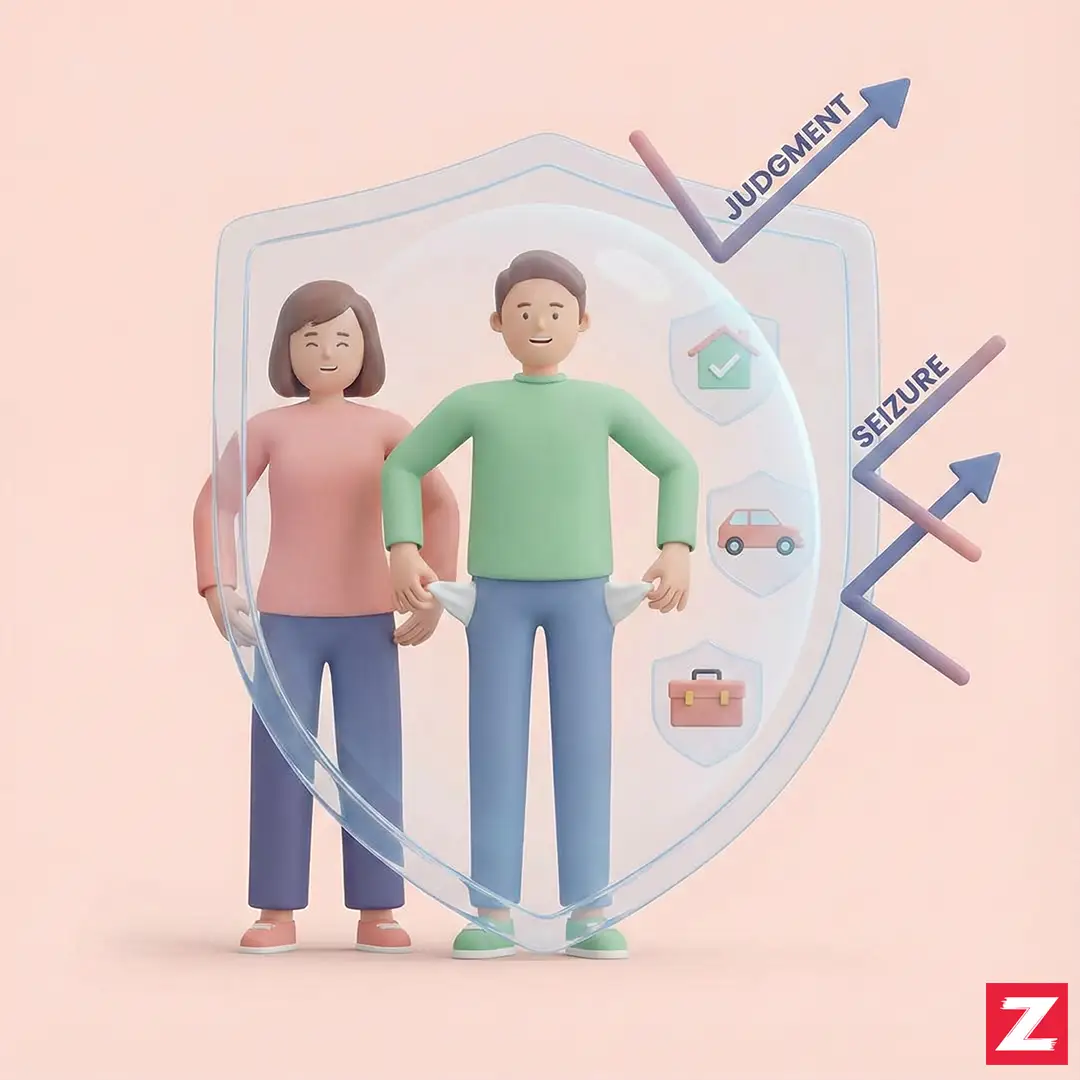
Seniors on fixed income often fit this profile. Their Social Security can't be garnished for consumer debts. They may rent rather than own property. Their assets consist of exempt retirement funds and personal possessions below exemption limits.
When Bankruptcy Is Clearly Better
Wage garnishment makes the decision easy. When 25% of your paycheck disappears indefinitely, cash flow crisis accelerates. Bills go unpaid. New debts accumulate. The garnishment feeds itself. Bankruptcy stops garnishments immediately.
Active lawsuits also tip the balance. If you're being sued, you have limited time to respond. Bankruptcy's automatic stay stops all litigation the moment you file. Default judgment would give creditors powerful collection tools.
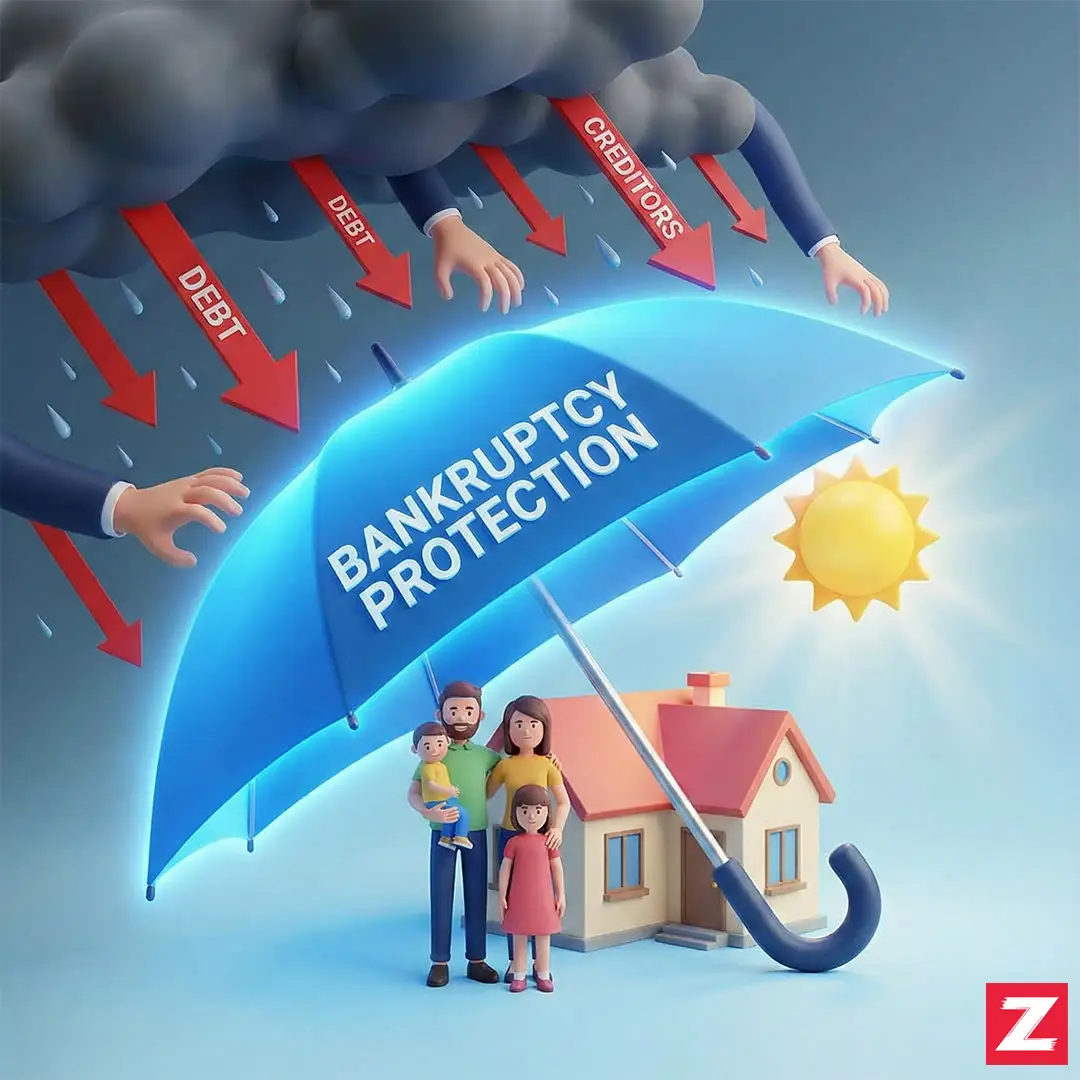
Home foreclosure is another clear case. Bankruptcy can halt foreclosure and give you time to catch up through Chapter 13's payment plan. Just not paying the mortgage ends with losing your house.
The Credit Score Reality
Both options damage credit scores significantly. Bankruptcy drops scores 130 to 240 points. Multiple collection accounts and judgments cause similar damage over time. The question isn't whether your credit suffers but how it recovers.
Here's the critical difference: bankruptcy sets a clear starting point for rebuilding. Once you discharge debts, you begin recovery immediately. With defaulted accounts, negative information keeps accumulating.
When Not Paying Makes More Sense
True judgment-proof status makes bankruptcy unnecessary expense. If creditors can't collect regardless, why pay attorneys and filing fees? Credit damage occurs either way. Bankruptcy protection becomes insurance you can't benefit from.
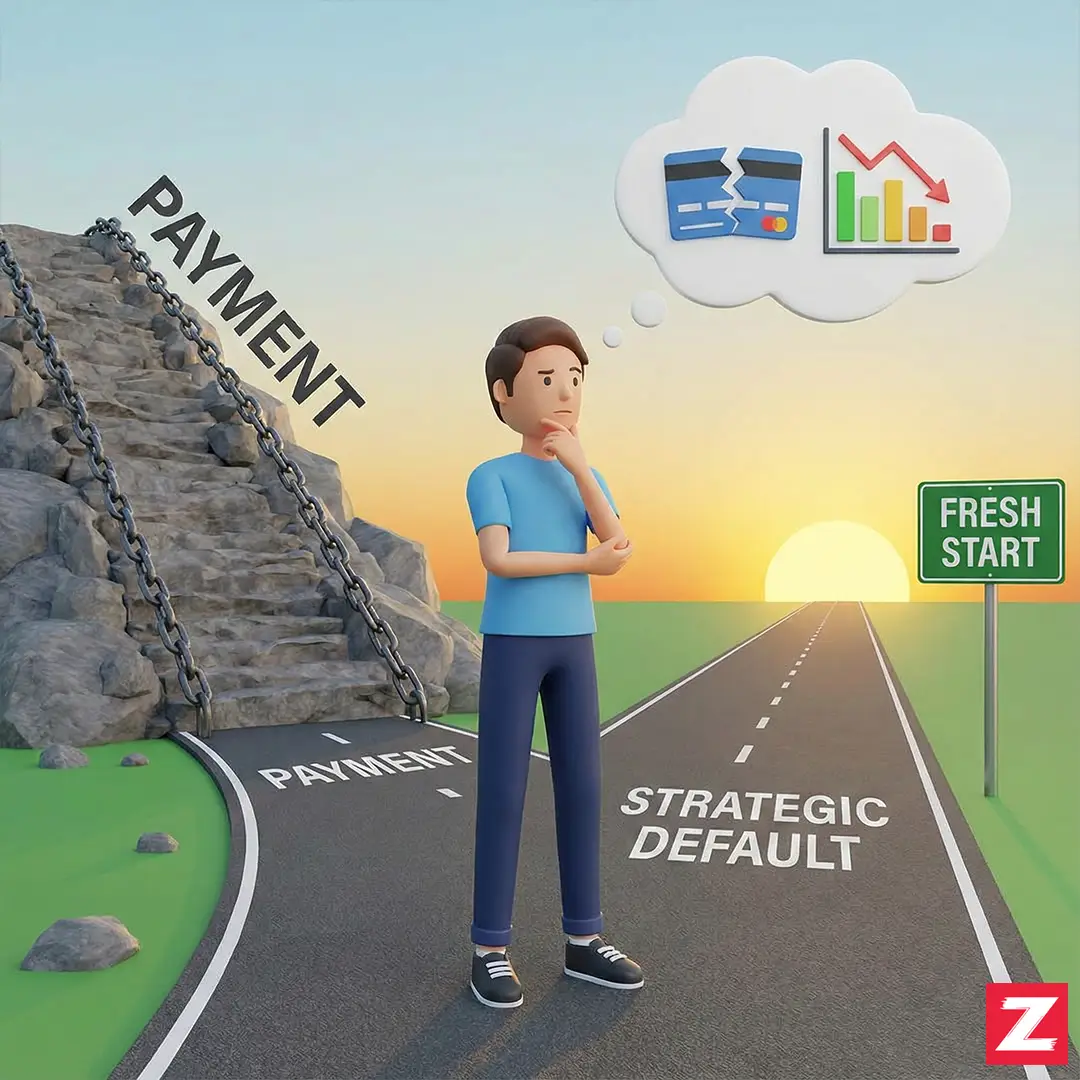
Very old debts approaching statute of limitations might not justify bankruptcy either. If a debt becomes legally unenforceable in 18 months, waiting might make more sense. But collectors can restart the clock if you make any payment or acknowledge the debt.
The Worst Option: Partial Payments
Whatever you decide, commit fully. The worst path is making sporadic payments while hoping problems disappear. Partial payments restart statutes of limitations. Payment promises create enforceable contracts. You get no relief while extending creditors' collection windows.
Make a choice. Either pay in full, negotiate a settlement, file bankruptcy, or stop paying completely. Anything in between usually produces the worst outcome.
Frequently Asked Questions
Will creditors always sue?
No—small debts and judgment-proof debtors often aren't worth the litigation cost.
How long can collectors pursue debt?
Statute of limitations varies by state from 3-10 years for legal action, but debt remains reportable for 7 years.
Can creditors take my Social Security?
Only for federal debts, student loans, and child support—not regular consumer debt.
Is strategic default illegal?
No—not paying debts is not a crime, though it can have civil consequences.
Which recovers credit faster?
Typically bankruptcy, because it creates a clean starting point for rebuilding.
Can I switch strategies midway?
Yes—you can file bankruptcy even after years of non-payment if circumstances change.
Updated 2025-01-07