Kentucky Distillery Bankruptcies: The Whiskey Industry's Financial Storm in 2024-2025
The bourbon boom that defined the 2010s has given way to a sobering reality. Kentucky distillery bankruptcies are reshaping an industry once considered bulletproof, with several high-profile whiskey companies filing for Chapter 11 bankruptcy protection in recent months.
What happened to the golden era? Overproduction, shifting consumer tastes, and aggressive expansion strategies have created a perfect storm. The Kentucky bourbon bankruptcies of 2024-2025 represent more than isolated failures—they signal a market correction that industry veterans had long predicted.
This analysis breaks down the major whiskey bankruptcies, explains how Chapter 11 bankruptcy works for distilleries, and examines what these filings mean for bourbon collectors and investors. The numbers tell a story that press releases often obscure.
- Kentucky Distillery Bankruptcies: The Whiskey Industry's Financial Storm in 2024-2025
- What Is Chapter 11 Bankruptcy and How Kentucky Bourbon Companies Use It
- Kentucky Owl Bankruptcy: A Best Brand's Fall From Grace
- Westward Whiskey Bankruptcy Filing: The Craft Distillery Warning
- What Causes Kentucky Bourbon Company Bankruptcies in the Current Market
- How Bankruptcy Protection Works and What It Means for Whiskey Brands
- FAQ
| Distillery/Company | Filing Type | Estimated Debt | Key Assets | Status (2025) |
|---|---|---|---|---|
| Kentucky Owl | Chapter 11 | $50M+ | Barrel inventory, brand IP | Restructuring |
| Westward Whiskey | Chapter 11 | $30M+ | Oregon distillery, aged stock | Sale pending |
| Various KY craft distilleries | Chapter 7/11 | $5-15M each | Equipment, real estate | Mixed |
| Bardstown Bourbon Co. | Refinancing | Undisclosed | Contract distilling ops | Ongoing |
What Is Chapter 11 bankruptcy and How Kentucky Bourbon Companies Use It
Chapter 11 bankruptcy definition is straightforward: it's a reorganization process that allows businesses to continue operating while restructuring debt. For whiskey companies, this mechanism proves particularly valuable because of the unique nature of their primary asset.
Why does this matter? Bourbon requires years of aging. A distillery cannot simply liquidate inventory without destroying value. Chapter 7 bankruptcy would force immediate asset sales at pennies on the dollar. Chapter 11 bankruptcy protection gives distillers the breathing room they desperately need.
The bankruptcy process for spirits companies differs from typical retail failures. Aging whiskey appreciates over time—sometimes dramatically. A barrel worth $500 today might fetch $2,000 in five years. This creates complex negotiations between creditors and debtors that courts rarely encounter in other industries.
Understanding what is chapter 11 bankruptcy in simple terms helps explain why distilleries prefer this route. The company proposes a repayment plan, creditors vote on it, and a judge approves or modifies the terms. Operations continue throughout. Employees stay. The whiskey keeps aging.
How Bankruptcy Works for Barrel-Aged Spirits
When a Kentucky bourbon company files bankruptcy, the barrel inventory becomes the central battleground. Creditors want immediate liquidation. The distillery argues for patience. Both sides present competing valuations that can differ by millions.
Bankruptcy trustees must evaluate whether continued aging maximizes creditor recovery. This calculation involves market projections, storage costs, insurance requirements, and brand equity assessments. Not every accountant understands whiskey economics. Many learn on the job.
Courts have increasingly recognized that whiskey bankruptcies require specialized expertise. The 2024 filings established new precedents for how spirits inventory should be valued during restructuring. These rulings will shape future company bankruptcies in the sector.
Kentucky Owl Bankruptcy: A Best Brand's Fall From Grace
The Kentucky Owl bankruptcy shocked industry observers. This wasn't some underfunded startup—Stoli Group acquired the brand in 2017 for a reported $100 million-plus valuation. The name carried weight. Collectors paid best prices.
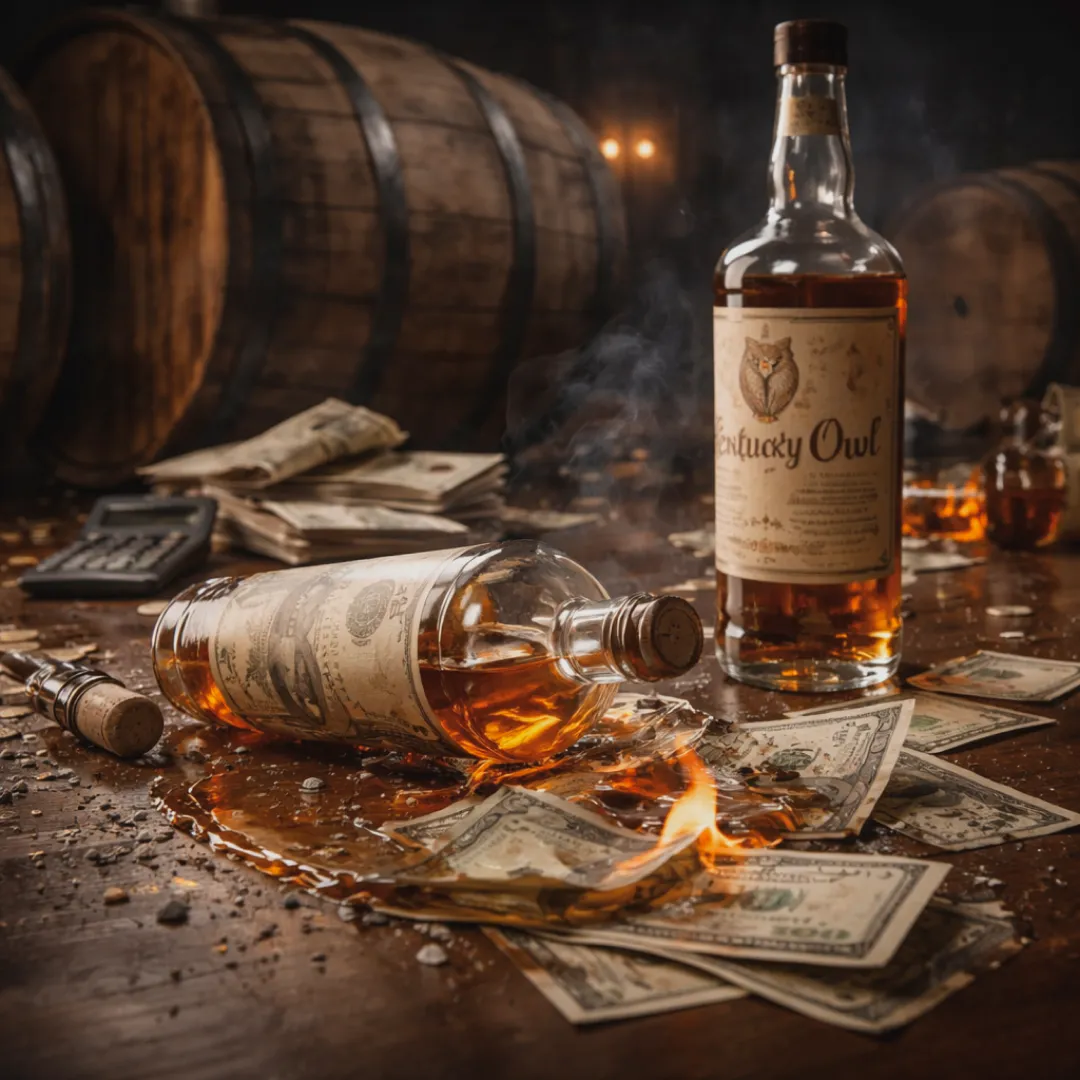
What went wrong? The Kentucky Owl bourbon bankruptcies stemmed from aggressive inventory purchases during the bourbon bubble. The company bought aged stocks at peak prices, betting that demand would continue climbing indefinitely. It didn't. Market sentiment shifted faster than anyone anticipated.
Best bourbon sales plateaued in 2023 as economic uncertainty made consumers reconsider $300 bottle purchases. Kentucky Owl's high-priced releases ($200-500 per bottle) faced mounting resistance from retailers and consumers alike. The math stopped working. Margins evaporated.
The Kentucky Owl bankruptcy filing revealed debt exceeding $50 million, primarily owed to suppliers and Stoli's parent company. Barrel inventory represented the bulk of assets—but at what valuation? This question dominated early court proceedings and remains partially unresolved.
The Stoli Connection and Corporate Complications
Stoli Group's own financial troubles compounded Kentucky Owl's problems significantly. The parent company faced sanctions-related challenges that restricted capital access and complicated international transactions.
When a Kentucky bourbon company declares bankruptcy while owned by a distressed multinational, the proceedings become labyrinthine. Multiple jurisdictions, competing creditor classes, currency complications, and cross-border asset questions all enter the picture simultaneously.
The Kentucky Owl bankruptcies illustrate how global finance intersects with local bourbon production. A brand rooted in Kentucky tradition became collateral damage in geopolitical conflicts that had nothing to do with whiskey quality or consumer demand.
Westward Whiskey Bankruptcy Filing: The Craft Distillery Warning
The Westward Whiskey bankruptcy filing extended the crisis beyond Kentucky's borders. This Portland-based producer had built a reputation for American single malt—a category many predicted would explode in popularity over the coming decade.
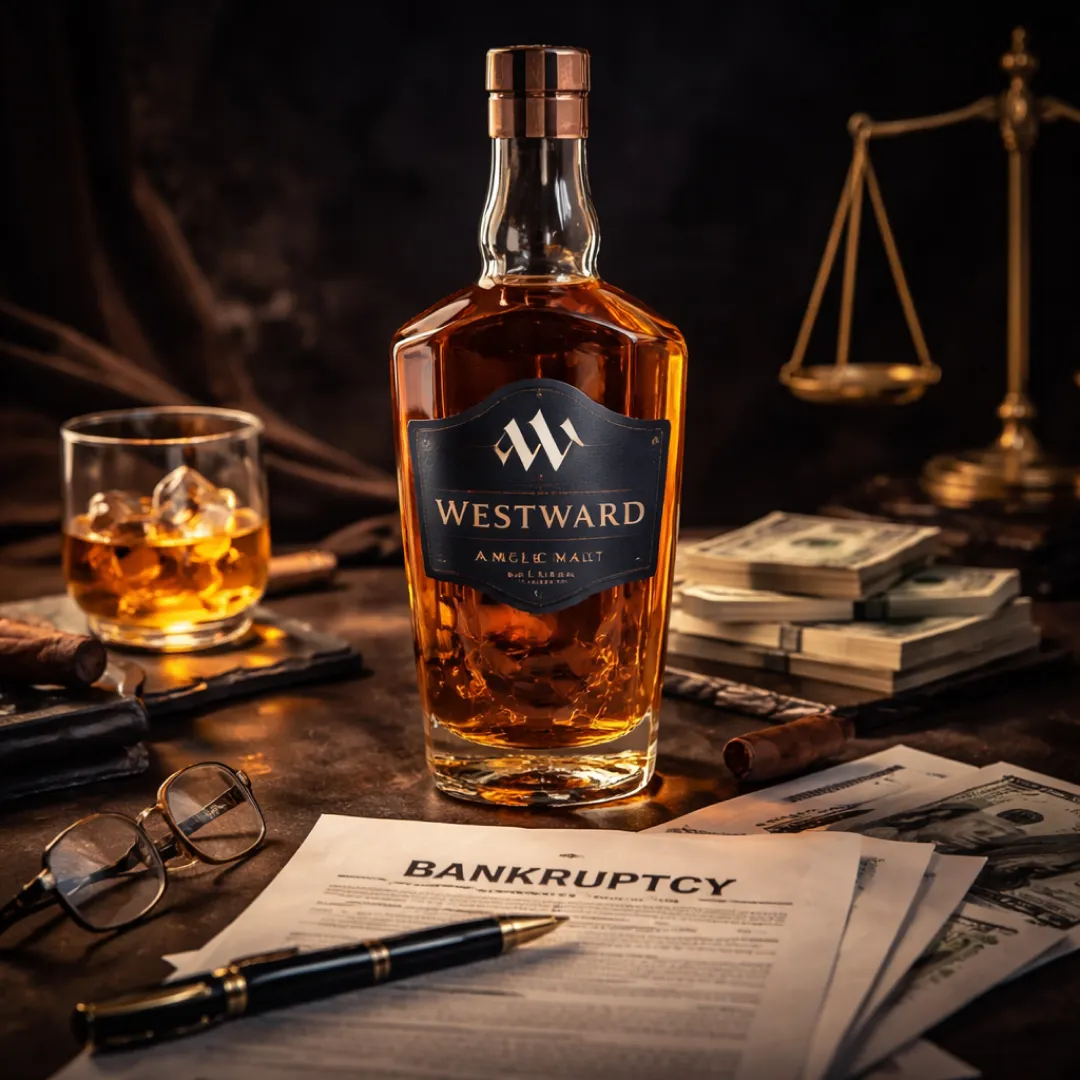
Westward Whiskey bankruptcy documents paint a familiar picture: expansion funded by debt, sales projections that proved wildly optimistic, and a market that tightened faster than anticipated. The company filed for Chapter 11 in late 2024 after exhausting refinancing options.
The bankruptcy news today reflects a broader craft spirits reckoning. Westward wasn't poorly managed by industry standards. It simply bet on growth that didn't materialize when interest rates rose and consumers tightened spending.
What separates Westward from Kentucky bourbon bankruptcies? The company's Oregon location meant different labor costs, real estate values, and regulatory frameworks. But the underlying dynamics—inventory financing, brand building, and market timing—proved universal across regions.
Ready for the uncomfortable truth? The Westward case suggests that geographic diversification offers no protection against systemic industry pressures. A whiskey company files bankruptcies for the same reasons whether located in Louisville or Portland.
What Causes Kentucky Bourbon Company Bankruptcies in the Current Market
The whiskey bankruptcies of 2024-2025 share common DNA. Understanding these patterns helps predict which companies might face similar pressures and which might survive the ongoing shakeout.
Inventory financing sits at the heart of most failures. Distilleries borrow against barrels that won't mature for years. When interest rates spike (as they did in 2022-2023), carrying costs become crushing. A barrel financed at 4% looks very different at 8%. The math changes overnight.
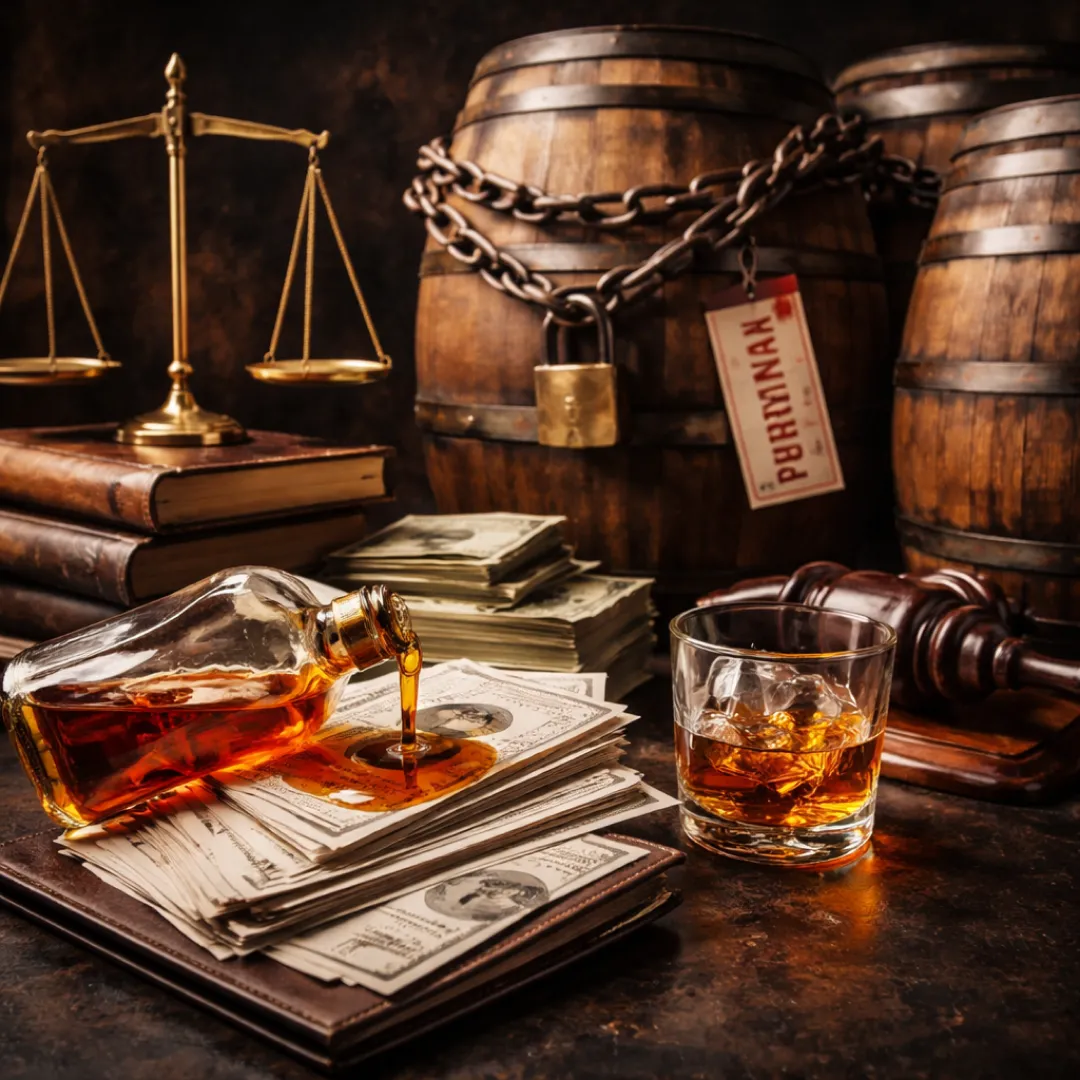
The bankruptcies 2024 wave also reflects chronic oversupply. Kentucky added massive distilling capacity during the boom years. Bardstown Bourbon Company, Castle & Key, and dozens of smaller operations expanded simultaneously. Too much whiskey now chases too few best buyers.
Brand proliferation diluted the market beyond recognition. Non-distiller producers (companies that source whiskey rather than make it) created hundreds of new labels competing for limited shelf space. Consumers faced paralysis. Retailers reduced their selections. Marginal brands disappeared first.
What happens when you file bankruptcy as a whiskey company? The aging inventory complicates everything considerably. Courts must decide whether to sell barrels now at depressed prices or wait for maturation and hope markets recover. Neither option satisfies everyone involved.
How Bankruptcy Protection Works and What It Means for Whiskey Brands
Filing bankruptcy triggers automatic stays that halt creditor collection efforts immediately. For whiskey companies, this means suppliers cannot seize barrels, landlords cannot evict distilleries, and lawsuits pause. The breathing room is immediate.
Bankruptcy protection creates essential negotiating space. A Kentucky bourbon company bankruptcy filing doesn't necessarily mean closure—it means restructuring. Some brands emerge stronger, having shed unsustainable debt while preserving core operations and brand equity.
How long does bankruptcy stay relevant for the business? Chapter 11 cases typically resolve within 12-24 months. The company either confirms a reorganization plan, converts to Chapter 7 liquidation, or sells assets through a 363 sale to the highest bidder.
The business bankruptcy chapter 11 process allows continued operations throughout proceedings. Employees keep working. Whiskey keeps aging in warehouses. Customers may not notice immediate changes. This continuity preserves going-concern value that liquidation would destroy.
| Bankruptcy Type | Purpose | Business Continues? | Typical Duration | Best For |
|---|---|---|---|---|
| Chapter 7 | Liquidation | No | 3-6 months | Hopeless cases |
| Chapter 11 | Reorganization | Yes | 12-24 months | Viable businesses with debt problems |
| Chapter 13 | Individual repayment | N/A | 3-5 years | Personal, not corporate |
| Chapter 12 | Family farm/fisherman | Yes | 3-5 years | Agricultural operations |
Creditor Priorities in Whiskey Company Bankruptcies
Secured creditors—typically banks holding liens on equipment and inventory—get paid first in the distribution waterfall. Unsecured creditors (suppliers, contractors, trade partners) often receive cents on the dollar. Equity holders usually get nothing at all.
For Kentucky bourbon company bankruptcies, barrel liens create extraordinary complexity. Multiple lenders might have claims on the same whiskey under different financing arrangements executed at different times. Sorting these competing interests consumes significant court resources.
The bankruptcy trustee's role becomes critical in these proceedings. This court-appointed official oversees asset protection, operational decisions, and eventual distribution. In whiskey cases, trustees often hire industry consultants to properly value inventory that ordinary appraisers cannot assess.
What does filing for bankruptcy mean for smaller creditors? Often disappointment. By the time secured claims, administrative expenses, and priority claims are satisfied, little remains for general unsecured creditors. The bourbon industry's interconnected supplier network means one bankruptcy can trigger cash flow problems for dozens of smaller businesses.
FAQ
How much does bankruptcy cost for a small distillery?
Legal and administrative fees for a craft distillery Chapter 11 filing typically range
from $250,000 to $1 million depending on case complexity.
Can I file bankruptcy and keep my distillery equipment?
Yes, Chapter 11 allows businesses to retain assets while restructuring debt, though
secured creditors may require adequate protection payments.
How to look up bankruptcies for free?
Federal court filings are searchable through PACER (Public Access to Court Electronic
Records), though per-page fees apply after initial free allowance.
What is the difference between Chapter 7 vs Chapter 11 bankruptcy for
businesses?
Chapter 7 liquidates assets and closes the business permanently, while Chapter 11 allows
continued operations during debt reorganization.
How long does bankruptcy stay on a company's credit report?
Business bankruptcies remain on commercial credit reports for 7-10 years, affecting
future borrowing capacity and supplier terms.
What happens to existing whiskey contracts when a distillery declares
bankruptcy?
Contracts become subject to assumption or rejection by the debtor, meaning the company
can choose which agreements to honor during reorganization.
Updated 2025-12-22
Updated 2025-01-07