What Happens When a Person Declares Bankruptcy
The timeline depends entirely on which chapter you file. Chapter 7 moves fast—expect three to four months from filing to discharge. Chapter 13 is a marathon, lasting three to five years by design.
That's the simple answer. The actual experience involves specific deadlines, potential complications, and waiting periods you should understand before filing. Here's what happens week by week after your bankruptcy petition gets filed.
Bankruptcy Process Timeline
| Milestone | Chapter 7 Timeline | Chapter 13 Timeline |
|---|---|---|
| automatic stay Begins | Immediately | Immediately |
| 341 Meeting Scheduled | 30-45 days | 30-45 days |
| Creditor Claims Deadline | 70 days after 341 | 90 days after 341 |
| Plan Confirmation | N/A | 30-45 days after 341 |
| Discharge Granted | 60 days after 341 | After completing 3-5 year plan |
Day One: The Automatic Stay
The moment your attorney files the bankruptcy petition electronically, protection kicks in. The automatic stay stops all collection activity instantly. Creditors must cease calling, stop lawsuits, halt garnishments, and postpone foreclosures. This happens before the court does anything.
Within days, you'll receive a case number and assignment to a trustee. Your creditors receive notice of filing, usually within a week. Smart attorneys send immediate notice to any creditor actively garnishing wages or pursuing litigation.

This first week brings the most dramatic change. Phones stop ringing. Threatened lawsuits become moot. Pending garnishments halt. For people who've endured months of harassment, the silence feels almost surreal.
Expert insight: "If a creditor contacts you after you've filed, document it. Stay violations can result in damages awarded to you. One persistent collector paid my client $3,000 for continuing calls."
The 341 Meeting: Weeks 4-6
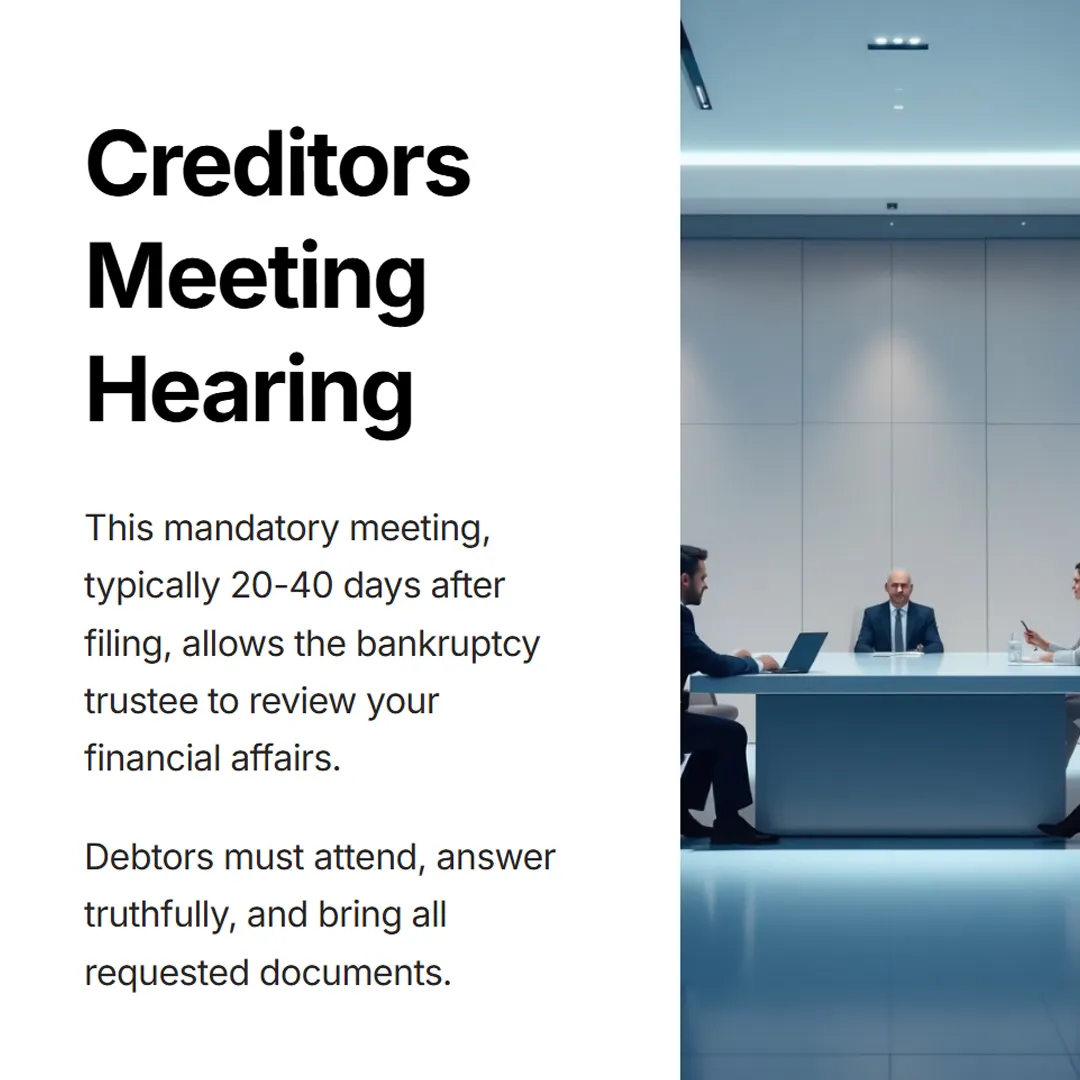
About a month after filing, you attend the Meeting of Creditors, named after Section 341 of the Bankruptcy Code. Despite the name, creditors rarely appear. The trustee assigned to your case asks questions about your petition, verifies your identity, and confirms honesty about assets and debts.
Most 341 meetings last 5 to 15 minutes. The trustee has a stack of cases that day and isn't looking for trouble—they're checking boxes. Answer honestly, provide any requested documents, and the meeting usually passes without incident.
Your attorney prepares you beforehand. They know what questions the trustee typically asks. Surprises are rare. Difficult meetings usually result from incomplete petitions or suspicious asset transfers.
What Delays 341 Meetings
Sometimes trustees request additional documents: missing bank statements, tax returns, vehicle titles, or property appraisals. Your 341 meeting might be continued while you gather materials. This adds two to four weeks but isn't cause for panic.
Chapter 7: The Sprint to Discharge
After your 341 meeting, Chapter 7 becomes a waiting game. Creditors have 60 days to object to discharge or challenge specific debts. The trustee investigates whether non-exempt assets exist for liquidation. Both deadlines run simultaneously.
In no-asset cases—95% of consumer Chapter 7 filings—the trustee files a report of no distribution. There's nothing to liquidate. Creditors who don't object let their deadline pass. The court issues discharge around day 60 after the 341 meeting.
Total time from filing to discharge: roughly 90 to 120 days. Some courts run faster, some slower. But barring complications, debts are eliminated within four months.
| Chapter 7 Event | Timeline |
|---|---|
| Filing | Day 0 |
| Automatic stay begins | Day 0 |
| 341 meeting | Day 30-45 |
| Creditor objection deadline | Day 90-105 |
| Discharge issued | Day 90-120 |
Chapter 13: The Long Road
Chapter 13 bankruptcy is fundamentally different. You're not liquidating assets—you're reorganizing debt and paying creditors from income over three to five years. The discharge comes only after successfully completing your payment plan.
The first 45 days mirror Chapter 7: filing, automatic stay, 341 meeting. But then you attend a confirmation hearing where the court approves your repayment plan. Creditors can object. The trustee weighs in. Negotiations might require modifications.
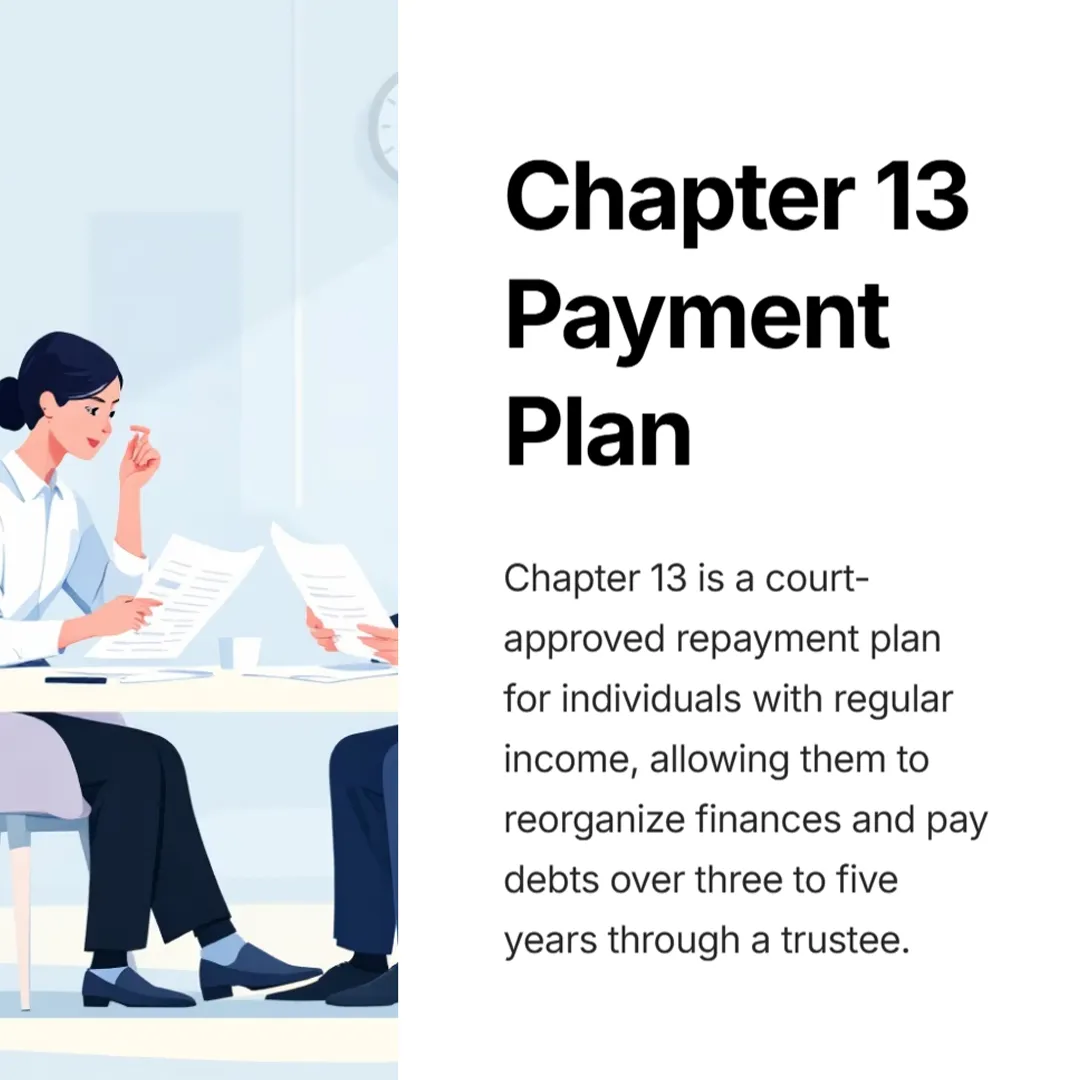
Once confirmed, you make monthly payments to the trustee for the duration of your plan. Three years if income is below state median. Five years if above. Every month. No exceptions. Miss payments and your case risks dismissal.
Expert insight: "Set up automatic payments for your Chapter 13 plan. Manual payments create opportunities for missed deadlines that can derail your entire case."
Chapter 13 Plan Modifications
Life changes during three to five years. Job losses, medical emergencies, and income fluctuations happen. Chapter 13 allows plan modifications for changed circumstances. These require motions, hearings, and trustee approval.
After Discharge: What Happens
Discharge doesn't instantly close your case. Administrative matters continue briefly. The trustee files final reports. The court ensures requirements were met. In Chapter 7, closure typically happens within weeks of discharge.
Chapter 13 cases close after the trustee makes final distributions and files their report. This can take several months after your last payment. You're technically in bankruptcy until formal closure, though practical impacts are minimal.
Rebuilding During and After
Credit recovery doesn't wait until discharge. In Chapter 7, you can start rebuilding the day after filing. Secured credit cards, credit-builder loans, and authorized user accounts begin the process.
Two years after discharge, you become eligible for FHA mortgages. Four years for conventional loans. The bankruptcy timeline doesn't prevent homeownership on reasonable timeframes.
Frequently Asked Questions
How long does the bankruptcy process take from start to finish?
Chapter 7 typically takes 3-4 months from filing to discharge. Chapter 13 requires 3-5 years to complete the repayment plan before discharge is granted.
Will I lose everything if I declare bankruptcy?
No—exemption laws protect essential property including your home equity up to state limits, vehicle, retirement accounts, household goods, and personal possessions.
Do creditors stop calling immediately after filing?
Yes—the automatic stay takes effect the moment you file, legally prohibiting all collection activity including calls, letters, lawsuits, and garnishments.
What is the 341 meeting and should I be worried?
The 341 meeting is a brief proceeding where the trustee verifies your identity and asks questions about your petition. Most last only 5-10 minutes and creditors rarely attend.
Can I keep my house and car in bankruptcy?
Usually yes—if you're current on payments and equity falls within exemption limits. Chapter 13 specifically helps catch up on arrears while keeping secured property.
How soon can I rebuild credit after bankruptcy?
Credit rebuilding can begin immediately after discharge with secured credit cards. Most people see significant score improvement within 18-24 months of consistent effort.
Updated 2025-01-07