Is It Better to File Bankruptcy or Not Pay: Complete Decision Guide
Choosing between filing bankruptcy and simply not paying your debts depends primarily on whether you are judgment-proof, how much you actually owe, and what your long-term financial goals look like. Bankruptcy provides immediate legal protection and a definite resolution. Not paying leaves debts lingering indefinitely but avoids bankruptcy's formal process, costs, and credit notation.
Neither option is inherently better than the other. The right choice depends entirely on your specific circumstances including your income, assets, and what you want your financial future to look like.
Comparison Overview
| Factor | Filing Bankruptcy | Not Paying |
|---|---|---|
| Immediate relief | Yes, automatic stay protection | No legal protection |
| Long-term resolution | Complete legal discharge | Debts may persist indefinitely |
| Credit impact | 7-10 years notation | 7 years per individual account |
| Cost | $1,500-$3,000 typical | Free but uncertain outcomes |
| Lawsuit protection | Full legal protection | None until statute expires |
| Wage garnishment | Stops immediately at filing | Remains possible throughout |
When Simply Not Paying Makes Sense
Truly judgment-proof individuals may not need formal bankruptcy protection at all. If you have no wages that creditors can legally garnish, no bank accounts they can levy, and no non-exempt assets they can seize, creditors cannot effectively collect from you even if they win lawsuits. Bankruptcy adds nothing meaningful when you are already completely collection-proof.
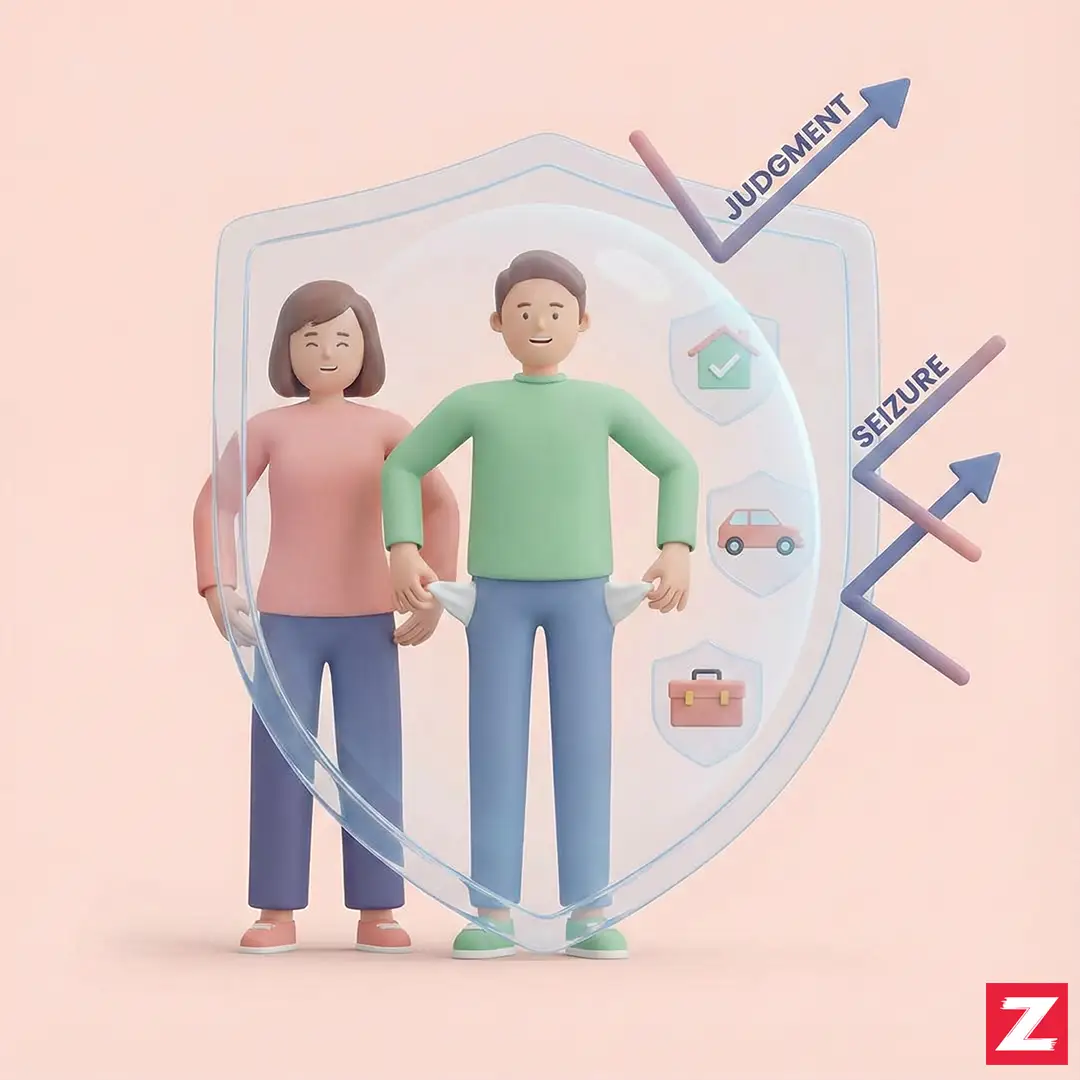
Social Security income, disability benefits, and certain retirement income receive substantial legal protection from most creditor collection efforts. Someone living solely on these protected income sources may be effectively judgment-proof without needing to file bankruptcy.
Small debts with manageable credit impacts sometimes resolve through the simple passage of time. A single $2,000 collection account damages your credit, but the overall impact may not justify bankruptcy's costs and formal consequences. Waiting out the seven-year credit reporting period might be more practical.
Expert insight: "Being judgment-proof is essentially like having natural bankruptcy protection. If creditors genuinely cannot collect from you regardless of what legal steps they take, bankruptcy provides no additional practical benefit. Honestly evaluate your actual vulnerability to collection before deciding."
When Bankruptcy Is Clearly the Better Choice
Active wage garnishment makes bankruptcy the obvious and immediate choice. When 25% of every paycheck disappears to creditors, bankruptcy stops that garnishment immediately upon filing. The automatic stay provides instant relief that doing nothing simply cannot match.
Pending lawsuits create urgency that strongly favors bankruptcy. A court judgment gives creditors powerful collection tools including liens on your property that complicate future sales or refinancing. Filing bankruptcy before judgment entry prevents these serious consequences from attaching to you.
Multiple collection accounts accumulating suggest systemic financial problems that bankruptcy addresses comprehensively. If you have ten collections already and more keep appearing regularly, settling each one individually is impractical, expensive, and never-ending. Bankruptcy eliminates everything at once.
Credit Score Impact Comparison
Both bankruptcy and unpaid collections significantly damage credit scores. The important difference lies in duration and recovery trajectory. Understanding these patterns helps you evaluate long-term consequences.
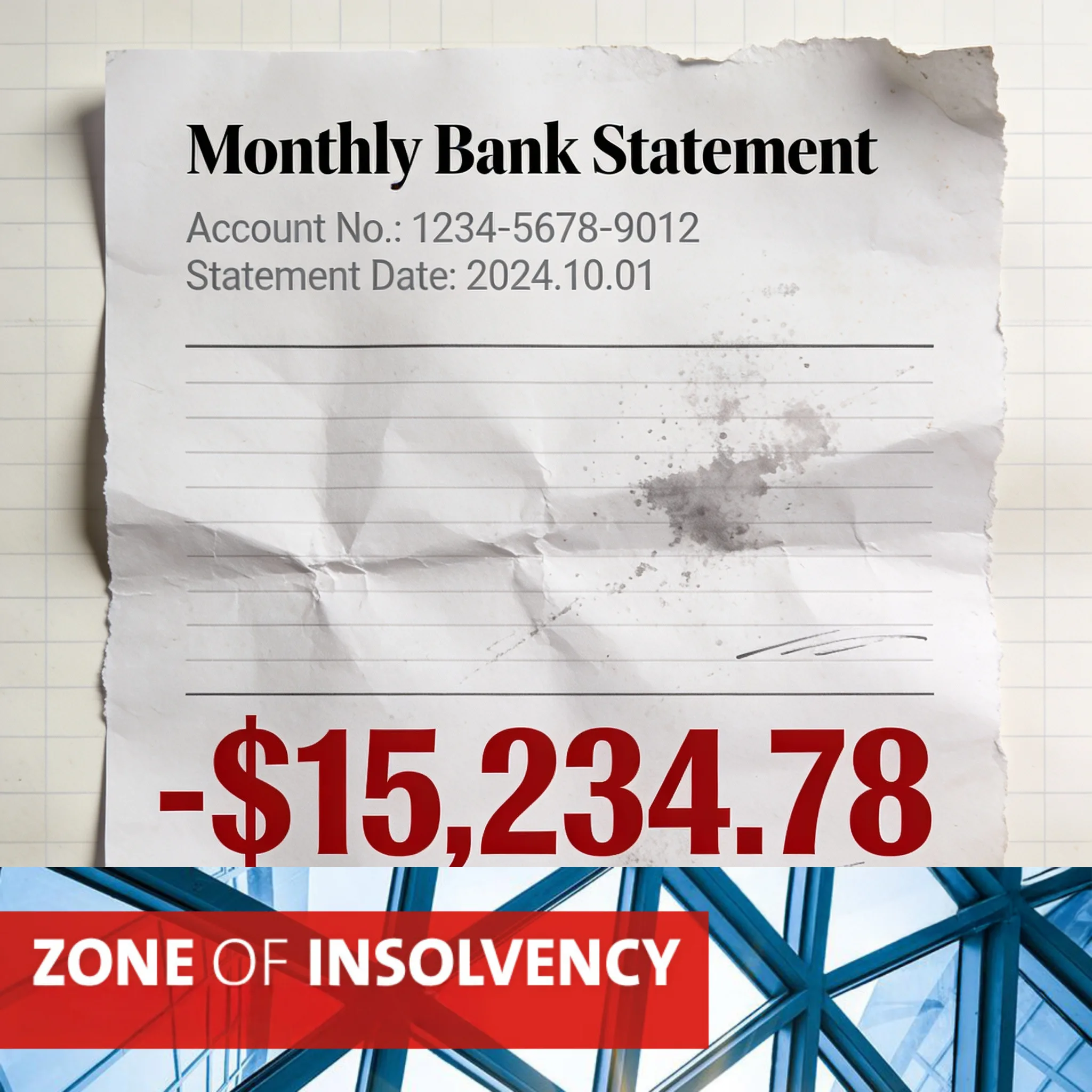
Bankruptcy causes an immediate substantial drop in credit scores, often 130 to 200 points depending on your starting score. But scores can begin recovering immediately because the debts are legally eliminated. No new negative marks appear on accounts that no longer exist.
After bankruptcy, strategic rebuilding often produces credit scores in the mid-600s within eighteen to twenty-four months. Disciplined credit use on new accounts builds positive history that begins outweighing the bankruptcy notation.
The counterintuitive truth is that bankruptcy often enables faster overall credit recovery than remaining in perpetual collections. The fresh start creates a clean foundation for rebuilding that ongoing collection chaos cannot provide.
Legal and Financial Risks of Not Paying
Ignoring debts does not make them magically disappear. Creditors can and do sue, and court judgments create consequences that last far beyond the original debt.
Lawsuits for debt collection are extremely common for larger amounts. Credit card companies, medical providers, and debt buyers routinely sue for balances over $1,000. The lawsuit itself costs the creditor very little and can result in judgments worth far more than the original debt once interest and fees accumulate.
Judgments typically last ten to twenty years depending on state law and can often be renewed indefinitely. A judgment creditor can wait patiently until you become employed, inherit money, or accumulate assets before executing collection.
Expert insight: "Not paying is essentially a gamble that creditors will not pursue you aggressively enough to actually collect. That gamble sometimes pays off, especially for smaller debts. But when it does not work out, the consequences can be severe and extremely long-lasting."
Strategic Considerations for Making Your Decision
Calculate your realistic vulnerability to collection efforts. Do you have garnishable wages from employment? Assets creditors could potentially seize? Bank accounts they could levy? If yes, not paying creates ongoing risk that bankruptcy would eliminate.
Evaluate the cost-benefit of bankruptcy versus potential collection outcomes. Spending $2,000 on bankruptcy to eliminate $30,000 in debt makes clear financial sense. Spending $2,000 to eliminate $5,000 in debt when you are effectively judgment-proof does not.
Consider your time horizon and financial goals. If you want to buy a house in three years, bankruptcy now with strategic rebuilding might get you there faster than years of collections followed by gradual recovery.
Frequently Asked Questions
What does judgment-proof mean exactly?
It means creditors cannot effectively collect from you because your income and assets are legally protected or you simply have nothing they can take.
How long can creditors sue me for old debts?
Statutes of limitations vary by state from three to ten years for most consumer debts. After expiration, creditors cannot win new lawsuits.
Will creditors eventually give up if I just ignore them?
Sometimes they do. Small debts may not justify ongoing collection costs. But larger debts often attract persistent collection efforts including lawsuits.
Can I become judgment-proof without filing bankruptcy?
Yes. People with only protected income sources and exempt assets are effectively judgment-proof regardless of bankruptcy status.
What if I am judgment-proof now but expect higher income later?
Future changes in your circumstances could make you vulnerable to collection later. Consider timing strategically based on expected life changes.
Is not paying the same as bankruptcy for credit purposes?
No. Bankruptcy provides formal legal resolution and discharge. Not paying leaves debts unresolved with ongoing potential consequences.
Updated 2025-01-07