Do Banks Hate Bankruptcies: How Financial Institutions Really View Your Filing
Banks dislike bankruptcy because it means losing money they fully expected to collect. When you file Chapter 7 bankruptcy, credit card companies and other lenders often receive nothing at all on the debts you previously owed them. From their institutional perspective, your bankruptcy represents a failure of their lending decisions and underwriting processes.
However, hate is far too strong a word for what is ultimately just a business calculation. Banks price bankruptcy risk into the interest rates and fees they charge all their customers. Your individual bankruptcy was already factored into their profit models long before you filed.
Bank Response Timeline
| Bank Response | During Bankruptcy | After Discharge |
|---|---|---|
| Existing accounts | Closed immediately | Remain permanently closed |
| New credit applications | Denied | Gradually approved over time |
| Credit bureau reporting | Required by law | Shows bankruptcy notation |
| Secured products | Not offered | Available within months |
| Mortgage consideration | Not possible | Yes after waiting periods |
The Business Reality of Bankruptcy Losses
When you discharge $20,000 in credit card debt through Chapter 7 bankruptcy, the bank writes off that entire amount as a loss on their books. They cannot collect from you, cannot sue you, and cannot continue reporting negative information about the discharged debt. From their accounting perspective, the money simply disappears.
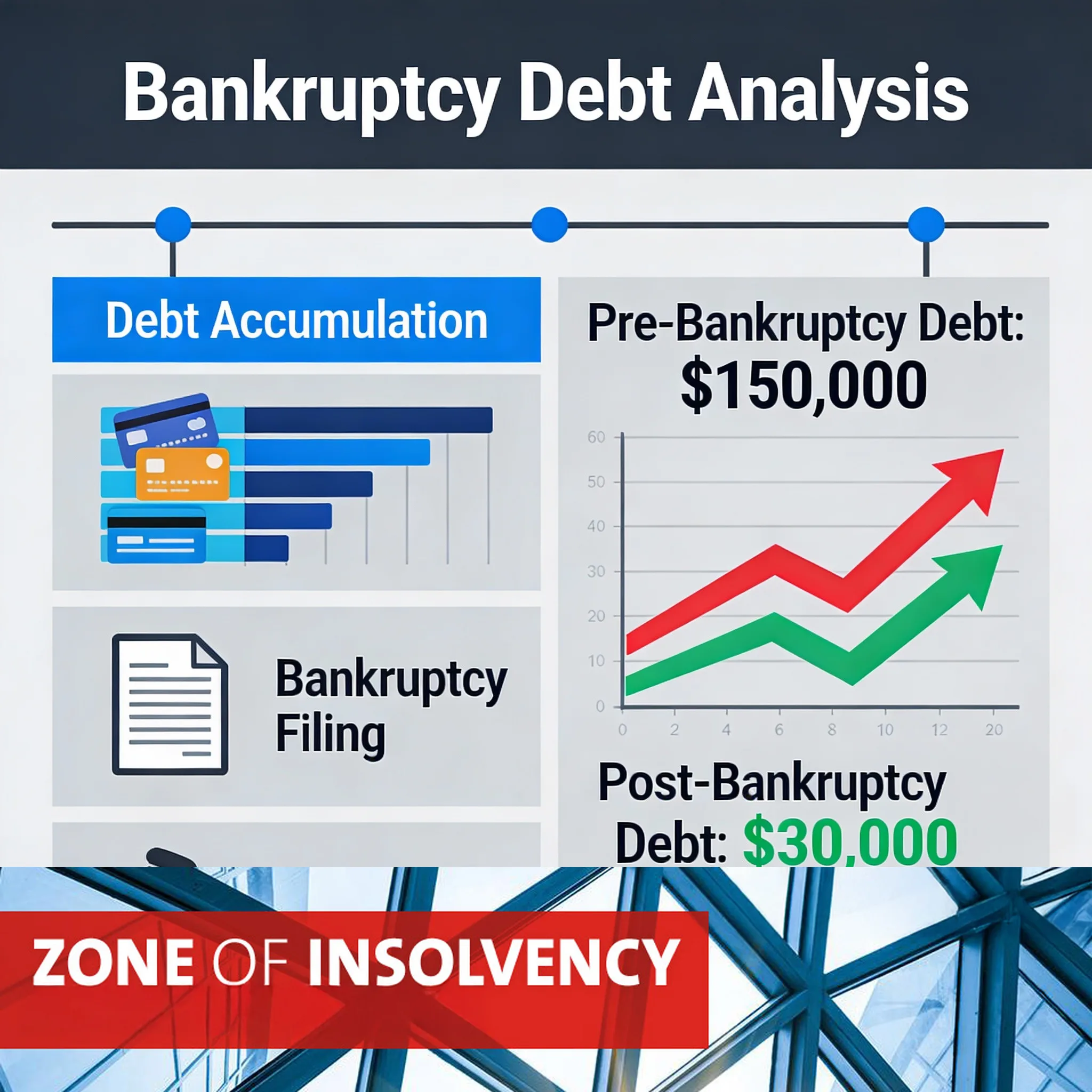
These losses definitely affect bank profitability, but not nearly as dramatically as you might imagine. Major credit card issuers fully expect a certain percentage of their accounts to default or discharge debts in bankruptcy every year. They build this expectation directly into their business models and financial projections.
Interest rates averaging 20% to 25% on credit card balances exist partly because of bankruptcy risk. Banks charge customers who do pay enough to cover their losses from customers who ultimately do not pay. In a very real sense, your bankruptcy was already subsidized by the interest payments you and millions of other cardholders made before you filed.
Large national banks handle thousands of individual bankruptcy filings every single year. Your case is just one among many, processed by specialized departments designed specifically to handle bankruptcy claims efficiently. There is no personal animosity involved, just routine accounting entries and standardized procedures.
Expert insight from Jeffy Gotsz, Bankruptcy Attorney: "Banks do not hate you personally for filing bankruptcy. They factor expected losses into their business models from the very beginning. Your discharge is just a line item on their corporate spreadsheet, not a personal vendetta against you."
How Banks Actually Respond to Your Bankruptcy
Expect all existing credit accounts with the filing bank to close immediately upon your bankruptcy filing. Banks simply cannot continue extending credit to someone in active bankruptcy proceedings. Credit cards stop working. Lines of credit freeze. This closure happens automatically through bank systems.
Banks routinely file proofs of claim in bankruptcy cases documenting exactly what you owe them. In Chapter 7 no-asset cases, they ultimately receive nothing despite going through the claims process. In Chapter 13 cases or asset cases, they receive whatever distribution the plan or liquidation provides to unsecured creditors.
After you receive your discharge, banks update their credit bureau reporting to show your accounts were included in the bankruptcy proceeding with zero remaining balances. This bankruptcy notation continues appearing for seven to ten years depending on the chapter filed.
Some major banks maintain internal policies against extending new credit to recent bankruptcy filers for specified waiting periods. Chase, for example, historically required seven full years to pass before considering former customers who included Chase debts in bankruptcy for new account relationships.
From the exact moment you file your bankruptcy petition, the automatic stay prevents banks from taking any collection activity whatsoever. They must immediately stop calling you, stop sending collection letters, and stop pursuing payment through any means. Violating the automatic stay exposes banks to court sanctions and potential damages.
Banks Will Absolutely Work With You Again
Despite losing money on your bankruptcy, banks will eventually extend credit to you again. They are fundamentally in the business of lending money, and you represent a potential future profitable customer once you have recovered from your current financial difficulties.
Secured credit cards become available almost immediately after you receive your discharge. Banks risk essentially nothing on these products because your cash deposit fully backs whatever credit line they extend. Capital One, Discover, and numerous other issuers actively market secured cards to recent bankruptcy filers.
Specialized auto lenders focus specifically on post-bankruptcy financing. Subprime auto loans carry significantly higher interest rates that compensate lenders for the increased risk involved. Banks make solid profits on these loans even accounting for elevated default rates among this borrower population.
Mortgage lending follows clearly defined regulatory timelines. FHA-insured loans become available exactly two years after Chapter 7 discharge. Conventional conforming loans require four years. Banks actively want to make these loans because mortgage lending remains highly profitable for financial institutions.
Why Banks Actually Like Post-Bankruptcy Customers
Fresh start customers offer meaningful advantages that sophisticated banks fully recognize. You emerge from bankruptcy with zero unsecured debt, meaning any discretionary income goes entirely to new obligations rather than old ones. Your debt-to-income ratio looks remarkably clean on paper.
You legally cannot file Chapter 7 bankruptcy again for eight full years following your discharge. Banks understand this restriction perfectly well. Extending credit to someone temporarily protected from repeat bankruptcy filing actually carries lower immediate bankruptcy risk than lending to someone who could file tomorrow.
Post-bankruptcy customers frequently demonstrate genuinely changed financial behavior. The bankruptcy experience itself often motivates careful financial management and spending discipline that meaningfully reduces future default risk. Banks see evidence of rehabilitation, not just past problems.
Higher interest rates charged to post-bankruptcy borrowers compensate banks generously for any remaining risk while providing profit margins that make this lending segment genuinely attractive.
Expert insight from Jeffy Gotsz, Bankruptcy Attorney: "Banks are not charitable organizations, but they are definitely not your enemies either. They will work with you enthusiastically when doing so makes business sense for them, and that happens considerably sooner after bankruptcy than most people initially expect."
Rebuilding Your Bank Relationships After Bankruptcy
Start your rebuilding efforts with banks you did not include in your bankruptcy. Credit unions where you have existing history but no discharged debt may prove most receptive to working with you. Maintaining relationships without associated losses creates institutional goodwill.
Open checking and savings accounts immediately after receiving your discharge if you do not already have them. Banks view established deposit relationships quite positively when evaluating credit applications. Being an existing customer genuinely matters for approval decisions.
Secured credit cards from major national banks build relationships while simultaneously rebuilding your credit profile. After twelve to eighteen months of perfect payment performance, these same banks may proactively offer you unsecured products with better terms.
Always be completely honest on every application you submit. Lying about your bankruptcy history creates serious problems when eventually discovered. Banks verify information against credit reports and will find your bankruptcy. Honesty paired with explanation of your circumstances serves you far better than attempted concealment.
Frequently Asked Questions
Will my bank close my checking account if I file bankruptcy?
Usually no. Checking and savings accounts are entirely separate from credit products. Banks may close accounts with negative balances or attached overdraft credit lines.
Can I keep one credit card out of bankruptcy?
No. All debts must be listed in your bankruptcy schedules. All credit cards will be closed regardless of balance.
How soon can I get a new credit card after bankruptcy?
Secured cards are available immediately following discharge. Unsecured cards typically become available within twelve to eighteen months of disciplined rebuilding.
Will banks see my bankruptcy on my credit report forever?
Bankruptcy remains visible on credit reports for seven to ten years depending on which chapter you filed.
Should I avoid banks where I had debt discharged?
Not necessarily, but they may prove less receptive to you initially. Other institutions may offer better terms and warmer welcomes.
Do credit unions treat bankruptcy differently than big banks?
Credit unions often place greater emphasis on member relationships and may demonstrate more flexibility, especially for established members in good standing.
Updated 2026-01-08