Should I File Bankruptcy If I Owe $20,000
Twenty thousand dollars sits in an awkward middle ground that generates real confusion. It's enough debt to feel crushing when you're living paycheck to paycheck, but not so much that bankruptcy seems obviously necessary. The honest answer: it depends entirely on your circumstances.

Attorneys file Chapter 7 cases for clients owing less than $15,000 when their situation made it the right choice. They also talk people out of bankruptcy when they owed $50,000 but had income and assets that made other paths better. The number matters less than the math surrounding it.
When Bankruptcy Makes Sense
| Factor | Bankruptcy Likely Makes Sense | Bankruptcy Probably Doesn't |
|---|---|---|
| Annual Income | Under $40,000 | Over $75,000 |
| Debt-to-Income Ratio | Over 50% | Under 20% |
| Collection Activity | Lawsuits, garnishments active | Just calls and letters |
| Monthly Cash Flow | Negative or barely even | Can pay more than minimums |
| Debt Type | Credit cards, medical bills | Student loans, recent taxes |
The Math That Actually Matters
Forget the total debt amount and focus on debt-to-income ratio. Take total unsecured debt and divide by gross annual income. At $20,000 debt and $40,000 income, that's 50%. At $20,000 debt and $80,000 income, that's 25%. These situations differ enormously despite identical debt.
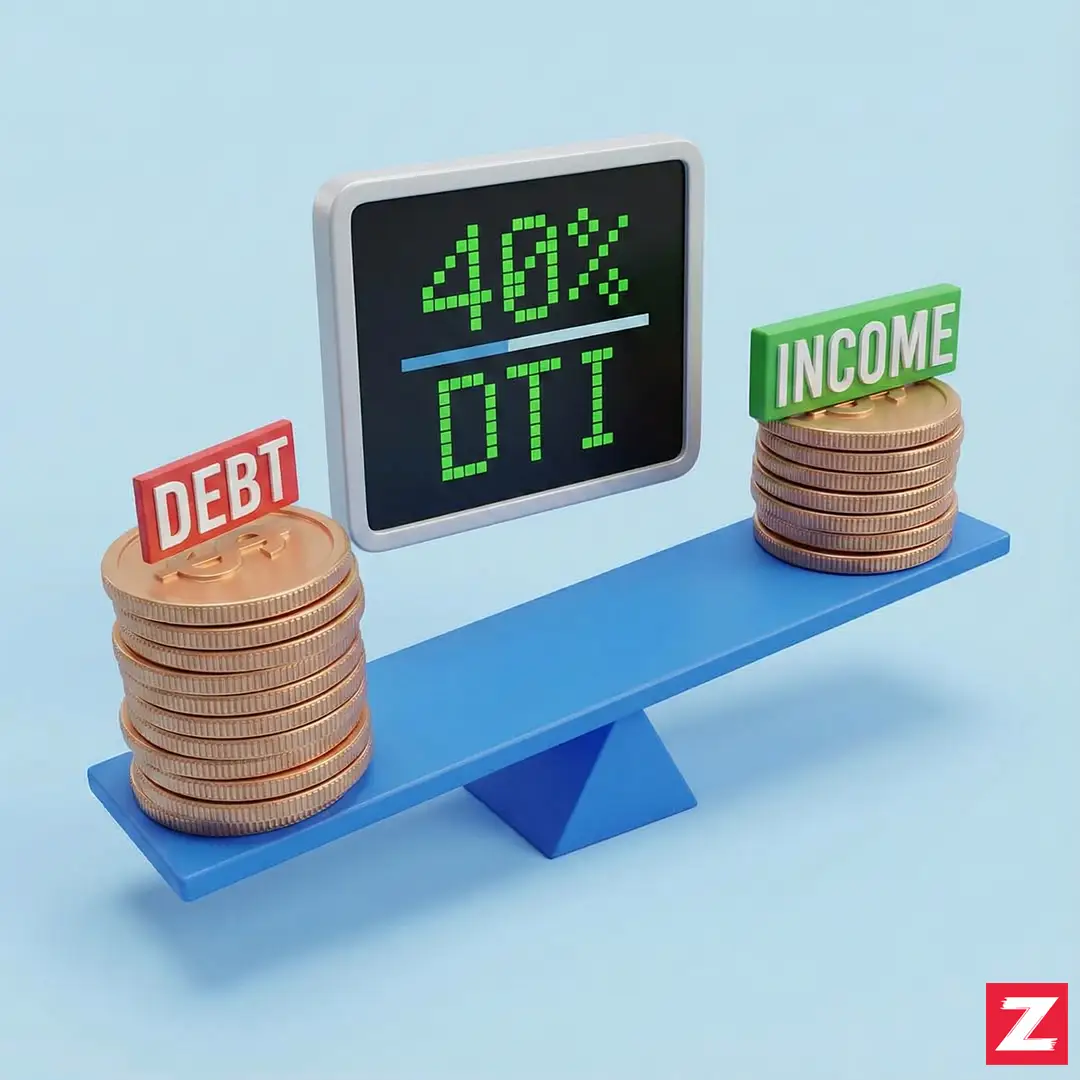
Ratios above 40% often indicate serious problems regardless of absolute numbers. You're spending significant portions of income just servicing debt rather than building security. Minimum payments consume budget space that should go toward retirement or emergencies.
Below 30%, you can usually climb out without bankruptcy through aggressive budgeting for two to three years. That path isn't fun—it means cutting expenses and directing every spare dollar toward debt. But it avoids bankruptcy's credit impact and permanent public record.
Expert insight: "Calculate how long payoff would take at your current rate. If it's more than five years for minimum payments, bankruptcy starts looking more reasonable."
When $20,000 Absolutely Justifies Bankruptcy
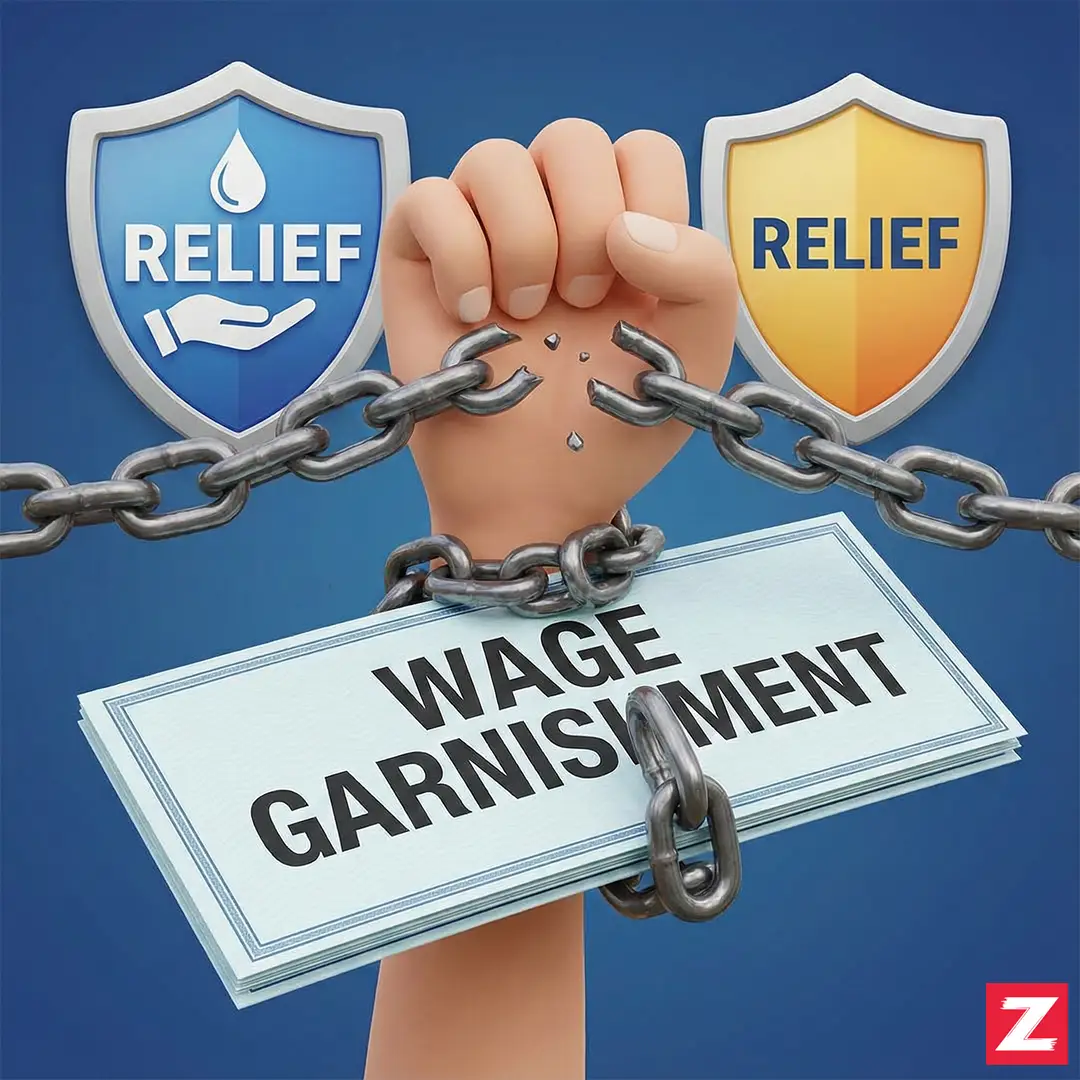
Some situations make the decision straightforward. If creditors have already sued and won judgments, you're past where negotiation helps. Wage garnishment takes 25% of disposable income indefinitely. Bank account levies empty checking accounts without warning, bouncing checks and creating cascading fees.
At that stage, bankruptcy's automatic stay provides immediate protection worth more than any credit score concerns. The garnishment stops the day you file. Your paycheck becomes yours again. That's hundreds of dollars monthly back in your pocket immediately.
Medical debt often tips the scales too. It's frequently negotiable—hospitals have charity care programs and settle for significant discounts—but those options require cash most struggling people don't have. Bankruptcy erases medical bills completely.
The Collections Harassment Factor
Quality of life matters more than pure financial calculation. Some people compartmentalize debt and live normally while owing money. Others experience constant anxiety, sleep problems, and depression from collection pressure. If $20,000 affects your mental health, that's a legitimate factor.
Collectors legally cannot contact you about discharged debts. The silence alone has value. Many clients say the biggest benefit wasn't debt elimination—it was finally answering their phone without dread, checking mail without anxiety.
When $20,000 Doesn't Justify Bankruptcy
Higher earners can typically handle $20,000 through debt consolidation, balance transfers, or aggressive budgeting. If household income exceeds $75,000 and debt isn't growing, you probably don't need bankruptcy's nuclear option.
Recent debt changes the equation. If you charged up credit cards in the last 90 days, those charges might be challenged as presumptively fraudulent. If you ran up debt knowing you'd file bankruptcy, trustees can object. The system assumes good faith.
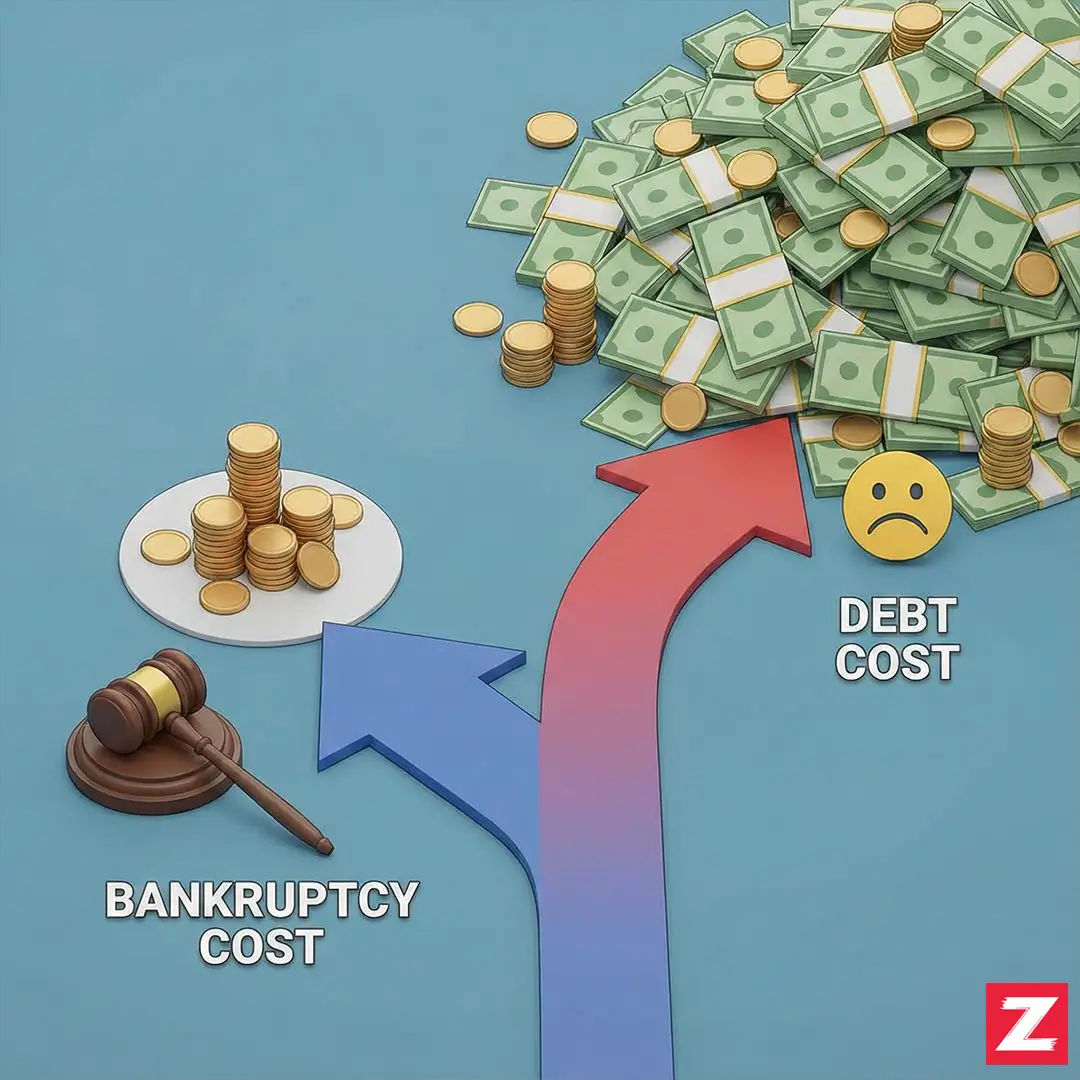
The Real Cost of Bankruptcy
| Cost Type | Chapter 7 | Chapter 13 |
|---|---|---|
| Attorney Fees | $1,500 - $2,500 | $3,000 - $5,500 |
| Court Filing Fee | $338 | $313 |
| Credit Counseling | $50 | $50 |
| Credit Score Drop | 130-240 points | 100-200 points |
| Time on Credit Report | 10 years | 7 years |
Alternatives Worth Considering First
Debt management plans through nonprofit credit counseling reduce interest rates and consolidate payments. You pay 100% of principal over four to five years at rates that make it achievable. It hurts credit less than bankruptcy.
Debt settlement companies promise to negotiate payoffs for less than owed. Results vary wildly. Some settle $20,000 for $8,000. Others pay fees for years and end up worse. Research carefully before committing.

Balance transfer cards offering 0% introductory rates can save thousands if you pay aggressively during the promotional period. This only works with decent credit and discipline to maximize payments before regular rates kick in.
Expert insight: "Before deciding, get a free consultation with a bankruptcy attorney. Most offer them. Hearing professional assessment of your specific situation costs nothing."
Making Your Decision
Start by listing all debts with balances, interest rates, and minimum payments. Calculate total minimums required. Compare to available income after essential expenses. If minimums exceed available income, you're sliding backward no matter how hard you try.
Consider your realistic timeline. Can you pay off in three years with aggressive budgeting? If the answer requires miracles—unexpected raises, inheritance, lottery—you're in denial about your situation.

Think about opportunity costs. Money going to debt isn't going to retirement, education, or emergencies. Is sacrificing those priorities for three to five years worth avoiding bankruptcy? For some, yes. For others, the fresh start opens doors sooner.
The Shame Factor
Real talk: shame keeps many people from filing when they should. American culture treats debt as moral failing. But hospitals don't offer reasonable payment plans. Credit card companies design minimum payments to maximize interest extraction. The system isn't designed for you to win.
The people who write bankruptcy laws, adjudicate cases, and practice bankruptcy law don't view filers as failures. They see ordinary people overwhelmed by medical bills, job losses, and divorces. Good people who played by rules until rules failed them.
Frequently Asked Questions
Is $20,000 too little to file bankruptcy?
No—there's no minimum, and the decision depends on income and circumstances, not debt amount alone.
Will bankruptcy cost more than my debt?
Possibly for Chapter 13, but Chapter 7 typically costs $2,000-$3,000 total—far less than $20,000.
Can I keep my credit cards after bankruptcy?
No—all accounts must be listed and will close, though you can apply for new secured cards after discharge.
How quickly will my credit recover?
Most see meaningful improvement within 18-24 months of disciplined rebuilding.
Should I drain savings to avoid bankruptcy?
Generally no—keeping emergency funds often matters more than paying creditors who might get nothing anyway.
What if my spouse has debt too?
Spouses can file jointly or separately depending on whose names are on which debts.
Updated 2025-01-07