What Is the Worst Debt You Can Have: Complete Danger Ranking Guide
The worst debts combine three truly toxic features: they cannot be discharged through bankruptcy, they grow faster than you can realistically pay them, and they come with uniquely aggressive collection powers. By these criteria, tax debt with accumulating penalties and interest, child support arrears, and private student loans rank among the most genuinely dangerous financial obligations Americans carry.
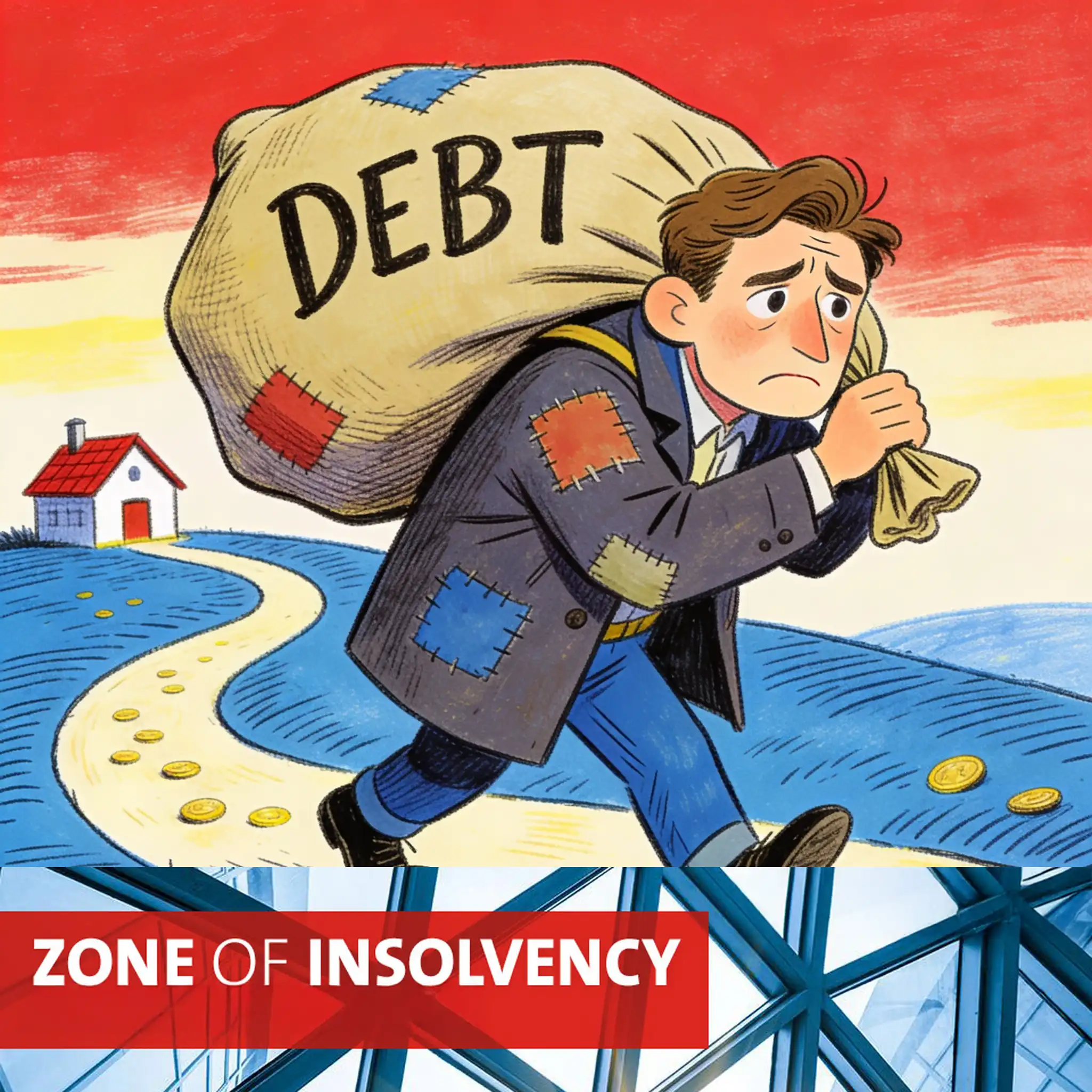
Understanding which debts pose the greatest actual threat to your financial wellbeing helps you prioritize intelligently when resources are limited. Not all debt is created equal, and some obligations demand immediate attention while others can safely wait.
Debt Danger Ranking
| Debt Type | Danger Level | Primary Danger Factor |
|---|---|---|
| Child support arrears | Extreme | Jail possible, cannot discharge |
| IRS tax debt | Very High | Liens, levies, survives bankruptcy |
| Private student loans | Very High | Cannot discharge, no flexibility |
| Federal student loans | High | Cannot discharge, but options exist |
| Payday loans | High | Extreme interest creates debt traps |
| Credit card debt | Moderate | High interest but dischargeable |
| Medical debt | Low-Moderate | Dischargeable and often negotiable |
Child Support Arrears Are the Most Dangerous Debt
Past-due child support carries legal consequences that no other consumer debt can possibly match. This is the only consumer debt that can actually result in jail time for non-payment. Family courts routinely hold people in contempt for willful failure to pay, and incarceration is a very real possibility that happens regularly.
Child support enforcement agencies possess collection powers that far exceed anything available to private creditors. They can suspend your driver's license, professional licenses, and even your passport without going to court first. They can intercept tax refunds and lottery winnings. They can garnish your wages without ever filing a lawsuit against you.
Bankruptcy provides absolutely zero relief from child support obligations. Support debt cannot be discharged in any bankruptcy chapter under any circumstances whatsoever. The debt survives completely untouched, and aggressive enforcement continues even during active bankruptcy proceedings.
Interest and penalties accumulate relentlessly on unpaid child support, often at rates exceeding typical credit card interest. A $20,000 support arrearage can grow to $30,000 or more over just a few years of continued non-payment.
Expert insight from Jeffy Gotsz, Bankruptcy Attorney: "If you have fallen behind on child support payments, that obligation is absolutely your number one priority. Not credit cards, not medical bills, not anything else. The potential consequences of unpaid support exceed every other type of debt dramatically."
Tax Debt Carries Unmatched Government Collection Power
The Internal Revenue Service possesses collection powers that private creditors can only dream about. They can file liens against all of your property without ever suing you in court. They can levy and drain bank accounts and seize physical assets. They can garnish your wages without first obtaining any court judgment.
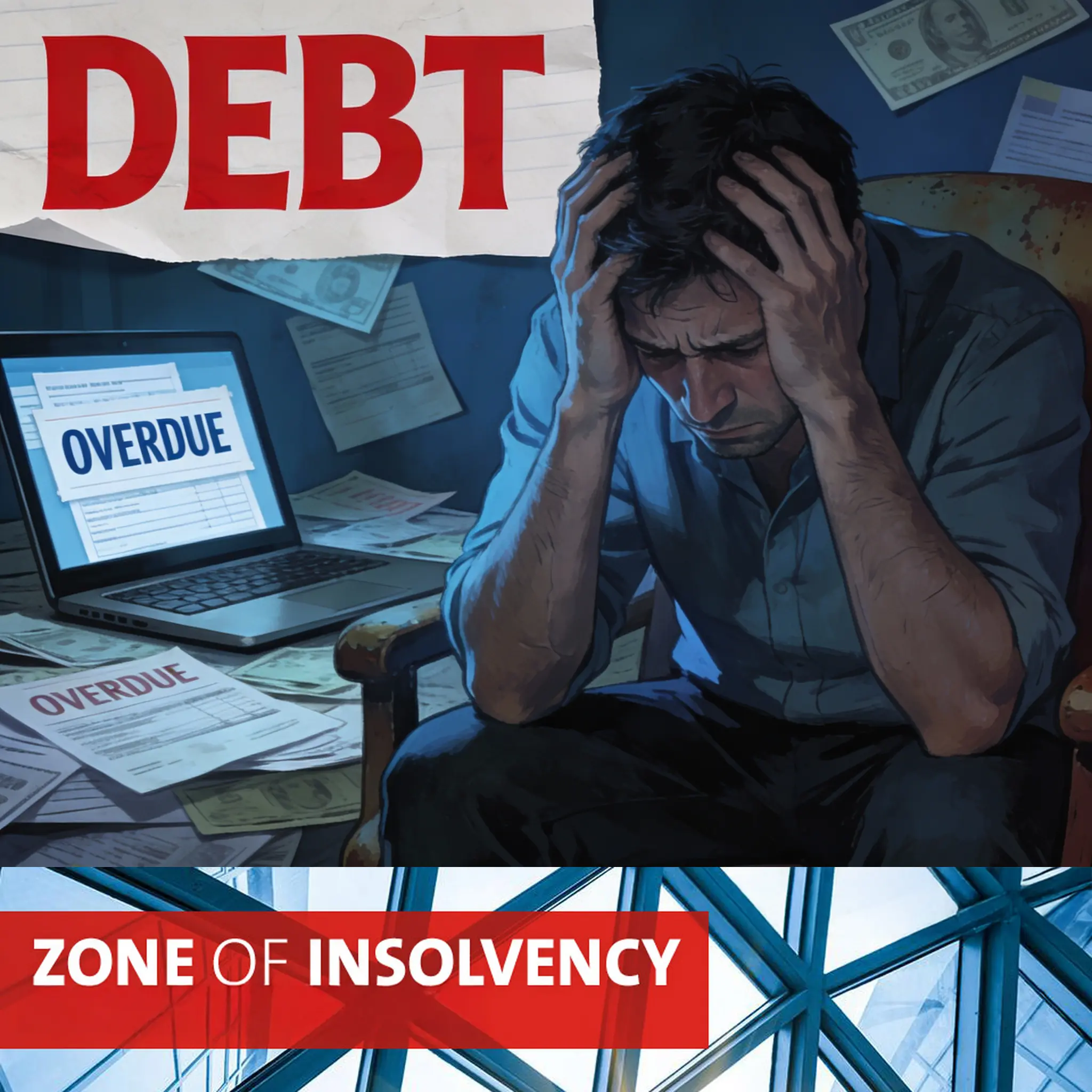
Tax debt accumulates penalties and interest at rates that make balances grow alarmingly rapidly. Failure to file penalties, failure to pay penalties, and compounding interest charges can effectively double a tax debt within just a few years of non-payment.
Most recent tax debt survives bankruptcy completely. Income taxes from returns that were due within three years of filing, taxes assessed within 240 days of filing, and taxes where returns were filed late or fraudulently simply cannot be discharged. Only older taxes meeting very specific technical requirements become dischargeable.
However, tax debt does offer more resolution options than some other dangerous debts. Installment agreements can spread payments over extended time periods. Offers in compromise can sometimes settle debt for significantly less than the full amount owed. Currently not collectible status suspends active collection when you genuinely cannot pay.
Private Student Loans Lack All Federal Protections
Private student loans combine the worst features of education debt with absolutely none of the federal loan protections. They cannot be discharged in bankruptcy under normal circumstances. They offer no income-driven repayment options whatsoever. They have no forgiveness programs available.
Private lenders can sue you, obtain judgments, and garnish your wages just like any other aggressive creditor. They can pursue you essentially indefinitely in states without statutes of limitations on written contracts. Interest continues accumulating throughout.
Unlike federal student loans, private student loans do not offer deferment, forbearance, or income-based payment flexibility of any kind. When you cannot make payments, they proceed directly and aggressively to default, collection, and litigation without offering alternatives.
If you have both federal and private student loans, prioritize private loan payments whenever possible. Federal loans at least offer management flexibility that provides some breathing room even when discharge is unavailable.
Payday Loans Create Inescapable Debt Traps
Payday loans charge effective annual interest rates of 400% or more. A typical $500 loan with a $75 fee due in two weeks translates mathematically to 390% APR. These rates make escaping payday debt nearly impossible once you become trapped in the cycle.
The payday loan business model fundamentally depends on repeat borrowing. Most payday loan customers take multiple loans per year, often rolling one loan into the next continuously. Each cycle adds fees that quickly dwarf the original principal borrowed.
The genuinely good news: payday loans are fully dischargeable in bankruptcy. Unlike student loans or tax debt, bankruptcy completely eliminates payday loan obligations. If you are hopelessly trapped in payday debt cycles, bankruptcy may represent your cleanest and fastest exit from an intentionally designed trap.
Expert insight from Jeffy Gotsz, Bankruptcy Attorney: "Payday loans are specifically designed to trap you in perpetual debt. The fees look deceptively small but the underlying math is absolutely brutal. If you are stuck in payday debt, bankruptcy might be the cleanest possible exit from a cycle intentionally designed to never end."
Credit Cards and Medical Debt Are Relatively Manageable
Credit card debt carries high interest and can balloon dramatically if left unaddressed, but it lacks the truly devastating structural features of worse debt types. Credit cards are fully dischargeable in bankruptcy. Creditors must sue you and win judgments in court before garnishing your wages. There are no special enforcement powers available.
Medical debt is genuinely among the most manageable debt types despite being the leading stated cause of bankruptcy filings. Hospitals and medical providers frequently negotiate significant reductions from original balances. Payment plans are almost always available for those who ask. The debt discharges completely in bankruptcy without special restrictions.
Medical debt rarely accrues interest at credit card rates. Many healthcare providers charge no interest at all if you establish and maintain reasonable payment arrangements. This makes medical debt significantly easier to address over extended time periods than high-interest alternatives.
Neither credit card debt nor medical debt can ever result in jail time. Neither type carries special enforcement powers unavailable to other creditors. Neither survives bankruptcy. These debts are undeniably stressful but not structurally dangerous like support, taxes, or student loans.
Frequently Asked Questions
Which debt should I pay first if I cannot pay everything?
Child support first, then tax debt, then secured debts you want to keep, then all other obligations.
Can I ever go to jail for credit card debt?
No. Only child support arrears and criminal fines can result in incarceration for non-payment.
Is it ever smart to strategically ignore certain debts?
Possibly. If you are genuinely judgment-proof and the debt is dischargeable, letting it go to collections sometimes makes practical sense.
What makes federal student loans less dangerous than private loans?
Income-driven repayment options, forgiveness programs, and more flexible deferment and forbearance options.
Can medical debt ruin my credit score?
Yes, but it remains fully dischargeable and often highly negotiable, making it more manageable than non-dischargeable debts.
Should I pay taxes before paying credit cards?
Usually yes. Tax debt carries significantly worse consequences and is much harder to discharge in bankruptcy.
Updated 2026-01-08